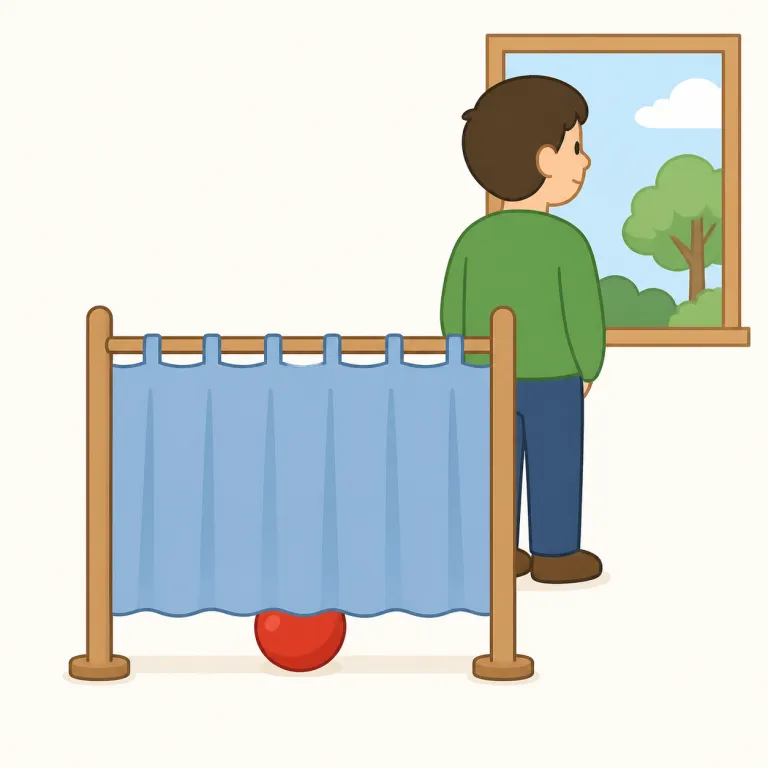
祝われない、守られない
adjective 形容詞記念日・祭日・宗教上の行事などが祝われず、所定の慣習や儀式が行われないことを表す。人に気づかれないという意味ではなく、行事や決まりを observe する習慣が実践されていない状態に焦点がある。
人や動物などに気づかれていない、あるいは観察・監視・記録の対象になっていない状態を表す形容詞。人目を避けて見過ごされる場面にも、現象がまだ科学的に観測されていないという文脈にも使われる。
Unobserved means not seen, noticed, or watched by others. It can describe a person or action that escapes attention. In scientific contexts, it can also mean something that has not been measured or recorded.
まず observe「観察する・気づく」を芯に置くと覚えやすいです。そこに否定の接頭辞 un- が付くので、unobserved は直感的に「観察されていない」。ただし単に unseen「見えない」より広く、人に気づかれない場面にも、データや現象がまだ観測・記録されていない文脈にも使えます。an unobserved detail なら見落とされた細部、remain unobserved なら未観測のまま、という形で場面ごとに結びつけると定着します。
Keep `observe` in mind: to watch carefully or notice. With `un-`, `unobserved` means not noticed or not observed. It can be used for things people do not see, and also for facts or events that have not been recorded yet. Think of `an unobserved detail` versus `remain unobserved` to remember both uses.
The cat slipped through the gate unobserved by the sleeping guard dog.
猫は眠っている番犬に気づかれず、門をすり抜けた。
The phenomenon went unobserved until modern telescopes were developed.
その現象は近代的な望遠鏡が開発されるまで観測されなかった。
She managed to leave the party unobserved.
彼女は誰にも気づかれずにパーティーを抜け出した。
文脈によって、次の意味でも使われます。
記念日・祭日・宗教上の行事などが祝われず、所定の慣習や儀式が行われないことを表す。人に気づかれないという意味ではなく、行事や決まりを observe する習慣が実践されていない状態に焦点がある。
unobserved は un-「〜でない」+ observed「観察された」から成る、意味の見えやすい語です。observe は中英語・フランス語を経てラテン語 observare にさかのぼり、ob-「向かって」+ servare「見守る・保つ」から成ります。observe や conserve を並べると、『注意を向けて保つ』感覚が見えます。
Unobserved comes from un- plus observed. Observe entered English through French from Latin observare, built from ob- "toward" and servare "to watch" or "keep." The original sense was to watch carefully or pay attention, so unobserved came to mean not noticed or not seen. Related words include observe and conserve.
この英単語をクイズで覚えよう