虚偽
解説 Definition
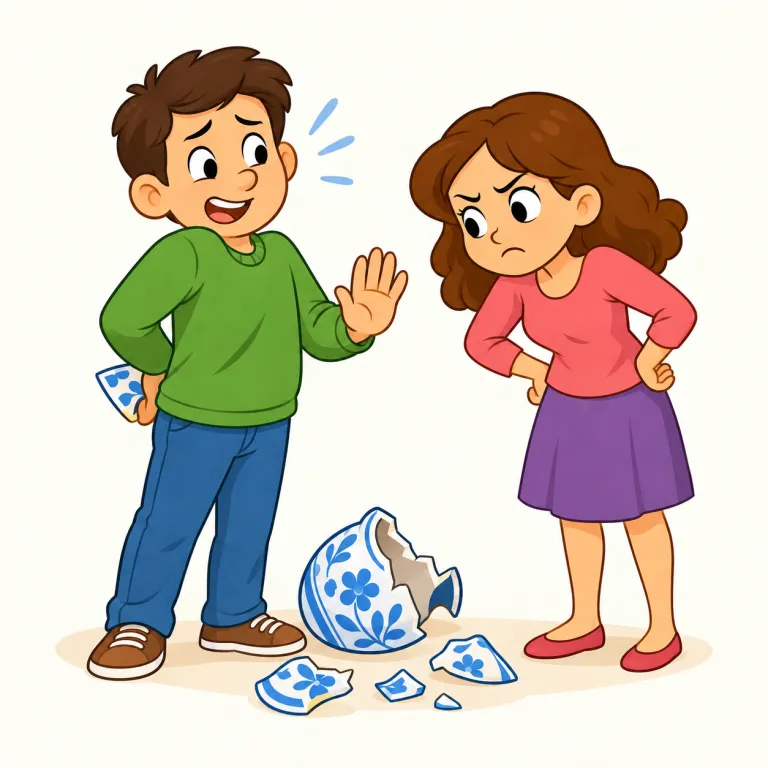
虚偽、嘘。真実ではない情報や発言を指す untruth の複数形です。
Untruths are statements that are not true. The word is often used for lies or false claims, especially in formal or careful writing. It can sound slightly more polite or indirect than saying "lies."
使い方 Usage
使い分け Common distinctions
- lies より改まった文章で使われやすく、嘘だと直接言うのを少し和らげる場合もあります。 Untruths is often used in more formal writing than lies and can soften a direct accusation of lying.
覚え方のコツ Memory Tip
un-「否定」+truth「真実」+複数形の -s と分け、「真実ではない発言がいくつもある」と結び付けて覚えます。
Break untruths into un- meaning “not,” truth, and the plural -s. Picture several statements that are not true.
例文
The politician was caught spreading untruths about his opponent.
その政治家が対立候補について虚偽を広めていたことが発覚しました。
She couldn't tolerate the untruths he told to avoid responsibility.
彼女は、彼が責任を逃れるためについた嘘を許せませんでした。
untruths の類義語・関連語
untruths の語源・成り立ち Etymology
古英語un-(否定接頭辞)+truth(真実)+-s(複数形)。truthは古英語trēowþ(誠実)に由来し、trēowe(忠実な)から派生。「真実でないもの→虚偽」という構造。関連語:true(真実の)、trust(信頼)も同根。
Untruths is made from un- "not," truth, and the plural ending -s. Truth comes from Old English treowth, meaning "faithfulness" or "truth," from a root also seen in true and trust. The idea developed from faithfulness and reliability to what is true, so untruth meant something not true.
同じレベルの語彙をもっと
外部辞書で調べる
この英単語をクイズで覚えよう