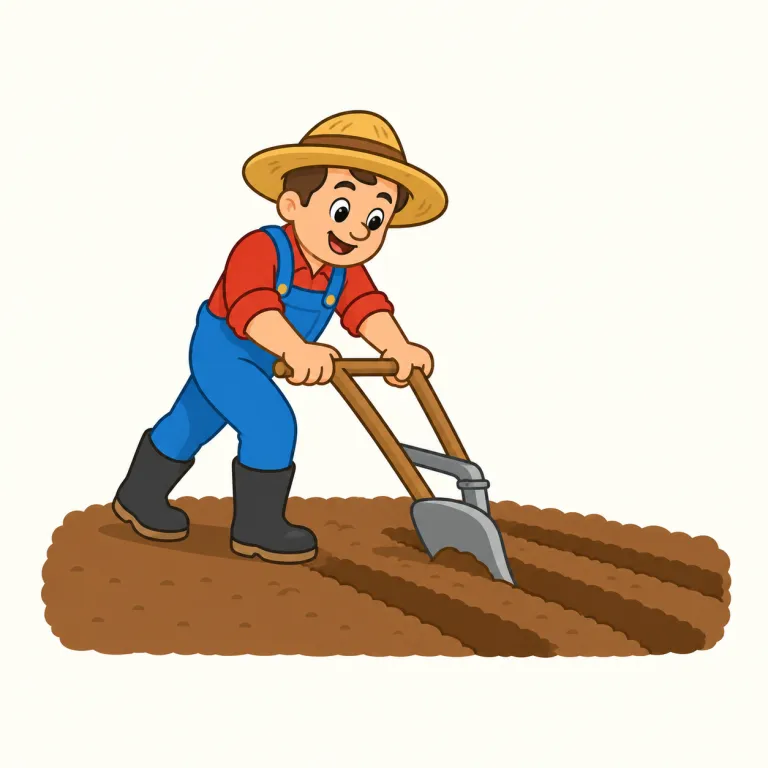
働く・仕事
解説 Definition
スコットランド方言で「働く」や「仕事」を意味する古い表現。
Wark is a Scots or northern dialect form of work, used as a verb meaning to labor or carry out work and also as a noun meaning work or employment. It occurs chiefly in regional, historical, or literary language rather than standard modern English.
覚え方のコツ Memory Tip
wark は標準英語 work と同根で、スコットランドや北部の方言では動詞「働く」、名詞「仕事」として使われる。例文では to wark in the fields のように働く動作、honest wark や daily wark のように仕事そのものを表す。通常の現代英語では work を選び、wark は方言らしさを示す形と覚える。
The safest memory link is wark = dialectal work. The two words descend from the same Germanic family, and only the vowel spelling differs visibly. In Scots or older northern speech, someone may “wark in the fields,” while “honest wark” or “daily wark” names the labor itself. This also explains why examples can show it as either a verb or a noun, even if the dictionary entry highlights the verb. In ordinary modern English, choose work; wark is useful mainly for recognizing or representing regional, historical, and literary language.
例文
In the old Scottish dialect, the farmers would rise early to wark in the fields.
古いスコットランド方言では、農民たちは早起きして畑で働いた。
My grandfather always said there was no better cure for sadness than honest wark.
祖父はいつも、正直な仕事ほど悲しみに効く薬はないと言っていた。
The poem celebrates the simple dignity of daily wark in the Scottish countryside.
その詩はスコットランドの田舎での日々の仕事の素朴な尊厳を讃えている。
wark の類義語・関連語
wark の語源・成り立ち Etymology
古英語 weorc(仕事、労働)の北部方言形で、ゲルマン祖語 *werką に遡る。英語 work と同根で、ドイツ語 Werk(作品)とも同系。スコットランド方言で現在も使われ、「骨を折って働く」というニュアンスを持つ。
Wark is a Scots and northern English form related directly to standard English work. Both continue Germanic forms represented by Old English weorc and ultimately Proto-Germanic werką, referring to work, activity, or something produced. German Werk belongs to the same family. Differences in regional vowel development and spelling produced wark alongside work, with the former remaining characteristic of Scots and some northern dialect traditions.
同じレベルの語彙をもっと
外部辞書で調べる
この英単語をクイズで覚えよう