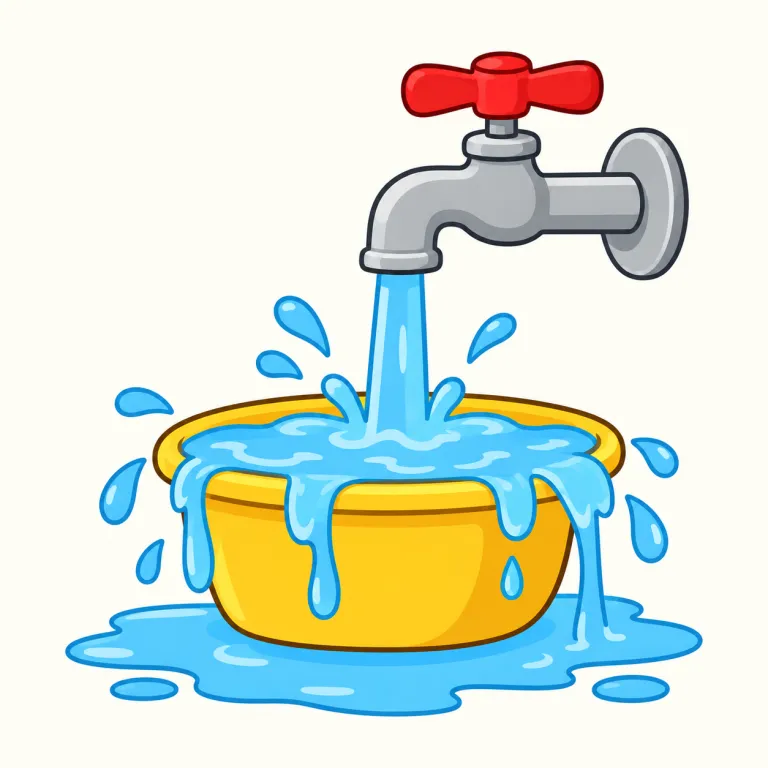
無駄にした
解説 Definition
wasted は waste(無駄にする)の過去形・過去分詞で、「無駄にした」という意味です。時間、お金、食べ物、機会などを有効に使わなかったことを表します。
The past tense and past participle of “waste,” meaning that someone used time, money, food, an opportunity, or another resource carelessly or without achieving a useful result.
覚え方のコツ Memory Tip
wasted は waste「無駄にする」の過去形・過去分詞で、語末 e があるため -d だけを加えます。末尾は /ɪd/ と一音節増え、/ˈweɪstɪd/ と発音します。waste time、money、food、a chance の組み合わせを「価値ある資源を使わず失った」場面で覚えましょう。
Wasted is the past tense and past participle of waste. Since waste already ends in silent e, add only -d in spelling. Because the base verb ends with the /t/ sound, the ending is pronounced /ɪd/, giving /ˈweɪstɪd/ with two syllables. Learn it through common objects: waste time, waste money, waste food, and waste a chance. In each case, something valuable was available but was used carelessly, left unused, or allowed to disappear without a worthwhile result.
例文
I wasted too much time this morning.
今朝、私は時間を無駄にしすぎました。
They wasted a lot of food at the party.
彼らはパーティーでたくさんの食べ物を無駄にしました。
He wasted his chance to ask a question.
彼は質問する機会を無駄にしました。
wasted の類義語・関連語
wasted の語源・成り立ち Etymology
ラテン語 vastare(荒廃させる)から古フランス語 waster を経て英語に入った。語根 vast-は「空にする・荒らす」の意で、vast(広大な=荒涼とした)やdevastateも同根。資源を「荒らして空にする」イメージが「無駄にする」の意味に発展した。
Wasted is formed from waste plus the past-tense and participial ending -ed. Waste entered English through Old French waster, “to ruin, ravage, or use up,” and is ultimately related to Latin vastare, “to lay waste,” from vastus, “empty or desolate.” The older image of leaving land empty or devastated developed into the modern idea of using a valuable resource without useful effect.
同じレベルの語彙をもっと
外部辞書で調べる
この英単語をクイズで覚えよう