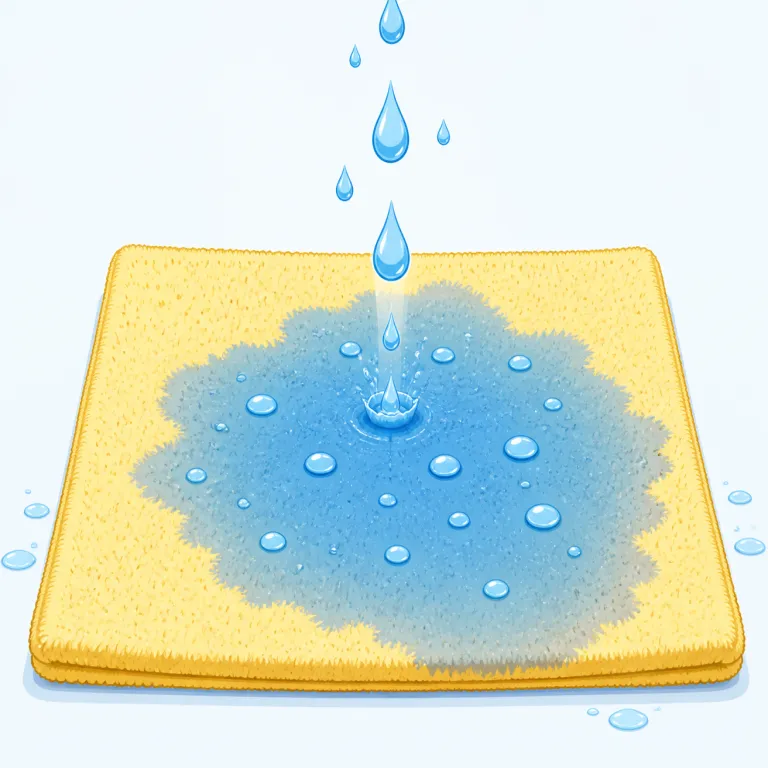
濡れ
解説 Definition
液体が物の表面に付着して広がったり、しみ込んだりして、その表面や素材が湿った状態になることを指す名詞。日常的な「ぬれ」だけでなく、塗料や化学の文脈では、液体が表面になじみ、膜を作りながら広がる過程や性質を表すこともある。
Wetting is the process of making something wet or of a liquid spreading across a surface. This word is often used in science, engineering, and manufacturing. It is especially important when talking about how well a liquid covers or sticks to a material.
覚え方のコツ Memory Tip
wet が「濡れた」と分かれば、wetting は -ing が付いて「濡れること・濡らして表面になじませること」と取りやすい。日常語の「びしょ濡れ」より、理科・材料では「液体が表面に付着し、広がり、必要ならしみ込み始める過程」が核心。paint, ink, coating の広がり、surface wetting, good/poor wetting をセットで覚えると、単なる moist や soaked ではなく「はじかれずに広がる感じ」が残りやすい。
Start from `wet`, then add `-ing` to get the process: `wetting`. In science or materials, this is not just "becoming wet" but a liquid spreading across a surface instead of staying in drops. Think of ink, paint, or coating covering a surface smoothly. Phrases like `good wetting` and `poor wetting` help fix this special meaning.
例文
The wetting of the ground made the path slippery.
地面の濡れで道が滑りやすくなった。
Proper wetting helps the dye soak evenly into the cloth.
適切にぬらすと、染料が布にむらなくしみ込む。
Accidental wetting damaged several pages of the report.
誤ってぬらしてしまい、報告書の数ページが傷んだ。
wetting の類義語・関連語
派生語
紛らわしい語
wetting の語源・成り立ち Etymology
wettingはwet+ -ingで「濡らすこと」。wetは古英語wætan・wætにさかのぼり、印欧語根*wed-「水・ぬれる」に連なる。waterやwateryも同根で、濡れる感覚がそのまま水と結び付いている。
Wetting comes from wet plus the suffix -ing. Wet goes back to Old English words such as waet and waetan, and is linked to the Indo-European root *wed-, connected with water and moisture. Related English words include water and watery, showing the old link between being wet and the presence of water.
同じレベルの語彙をもっと
外部辞書で調べる
この英単語をクイズで覚えよう