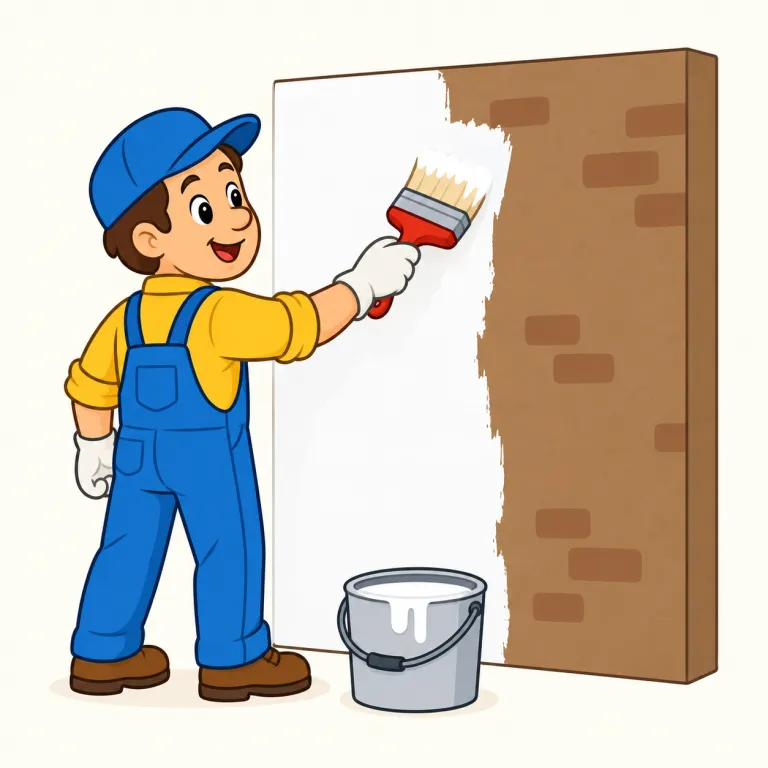
白塗り
解説 Definition
whitewashing は、壁やフェンスなどの表面を白い塗料で覆う「白塗り」の作業を指す名詞です。伝統的には石灰と水を含む白い塗料を使います。
The act or process of coating a wall, fence, or other surface with whitewash, traditionally a white liquid containing lime and water. Here it refers to the physical painting process, not the figurative concealment of wrongdoing.
使い方 Usage
使い分け Common distinctions
- 問題や不正を隠してよく見せる比喩義もあります。このページでは、実際に表面を白く塗る作業を指します。 Whitewashing can also mean concealing problems or wrongdoing. Here it refers to physically coating surfaces white.
覚え方のコツ Memory Tip
white+wash からなる whitewash に、そのまま -ing を付けて whitewashing。古い壁や石の表面を白い塗料で覆い、明るくする作業を思い浮かべましょう。
Start with whitewash, made up of white and wash, and add -ing without changing the base. Picture coating an old wall or stone surface with whitewash to make it look brighter.
例文
The whitewashing of the old wall took most of the morning.
古い壁の白塗りには午前中の大半がかかりました。
They finished whitewashing the fence before the guests arrived.
彼らは客が来る前にフェンスの白塗りを終えました。
whitewashing の類義語・関連語
whitewashing の語源・成り立ち Etymology
white(白)+ wash(洗う)の複合語。16世紀から石灰を水で溶いた白い塗料で壁を塗る意味で使われ、そこから「都合の悪い事実を覆い隠す、取り繕う」という比喩的意味が生まれた。関連語:brainwash(洗脳)、whitelist(許可リスト)。白く塗って汚れを見えなくする行為が隠蔽の象徴となった。
Whitewashing is formed from the compound whitewash plus -ing. Whitewash combines white and wash and has long referred to a liquid coating, traditionally made with lime and water, used to whiten walls and similar surfaces. The action of covering a stained or unattractive surface later produced the figurative sense of concealing faults or unpleasant facts. In the target use, however, the word retains its original physical meaning of applying the white coating.
同じレベルの語彙をもっと
外部辞書で調べる
この英単語をクイズで覚えよう