災難、問題
noun 名詞通例 woes の形で、長く続く深刻な問題や災難を指します。financial woes や economic woes のように、悲しい感情そのものではなく、苦境を引き起こしている具体的な問題について使われます。
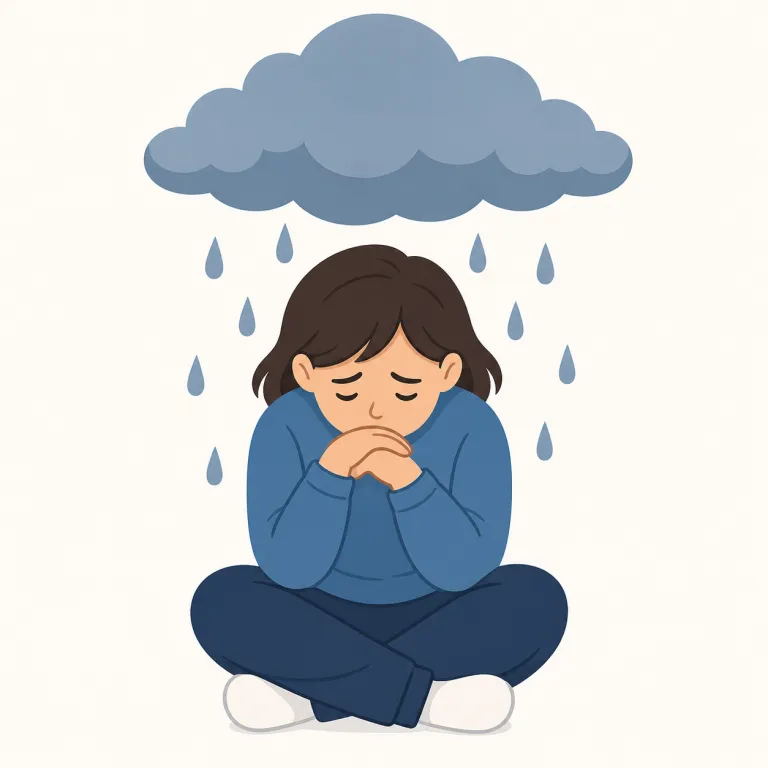
woe は英検準1級レベルの英単語で、「悲哀、悲嘆、苦悩」という意味があります。発音記号は /woʊ/ です。
深い悲しみや苦しみ、災難による嘆きを表す名詞です。個人の悲嘆にも社会全体の不幸にも使われ、事故や戦争、貧困、喪失などによって生じる重い精神的苦痛や不幸な境遇を示します。日常会話よりも文学的・改まった文脈で見られることが多い語です。
Woe means great sadness, suffering, or serious trouble. It is often used in literary, poetic, or formal English rather than casual speech. The word gives a strong feeling of emotional pain or hardship.
woe は日常の sadness よりかなり重く、文語的で、個人の grief にも社会全体の苦難にも使える語です。sorrow や grief が「悲しみ」という感情中心なのに対し、woe はその原因となる災難や不幸な境遇まで含みやすいのがポイント。woeful「悲惨な」と一緒に覚えると定着しやすく、the woes of war, economic woes のように複数形 woes で「数々の苦難」となる用法も頻出です。
Remember `woe` as a literary, heavier word than everyday `sadness`. It often shows up in set phrases like `economic woes` or `the woes of war`, so the plural `woes` is especially useful to learn. You can also connect it with `woeful`, which keeps the same serious, sorrowful tone.
The flood brought woe to the entire region.
その洪水は地域全体に大きな悲しみと苦しみをもたらした。
He suffered great woe after losing his job.
職を失ったあと、彼は深い悲嘆に暮れた。
The war caused immense woe to the people.
その戦争は人々に計り知れない苦悩をもたらした。
文脈によって、次の意味でも使われます。
通例 woes の形で、長く続く深刻な問題や災難を指します。financial woes や economic woes のように、悲しい感情そのものではなく、苦境を引き起こしている具体的な問題について使われます。
woeは古英語wā「悲しみ・災い」に由来し、さらにゲルマン祖語 *waiwo- にさかのぼります。接頭辞よりも嘆き声そのものが語になったタイプで、woeful やドイツ語 weh に同じ響きが残ります。痛みの叫びが意味になったと考えると、語感がつかみやすいです。
Woe comes from Old English wa, from Proto-Germanic *waiwo-. It seems to have begun as a cry of pain or grief, rather than a formal descriptive word. Later it became a noun for sorrow or misery, and the same sound survives in woeful and German weh.
この英単語をクイズで覚えよう