
aggression
aggression は英検2級・TOEIC 860・TOEFL 80・IELTS 6.5レベルの英単語で、「攻撃性、攻撃、侵略」という意味があります。発音記号は /əˈɡrɛʃən/ です。
意味一覧 (3件)
攻撃性
解説 Definition
他者に対して攻撃的に振る舞おうとする性質や傾向を意味します。人や動物の態度・行動に表れる、敵対的または威圧的な性質を指します。
Aggression is angry or forceful behavior that may be intended to harm, control, or threaten someone. It can refer to physical violence, hostile speech, or strong actions between countries. The word is often used in psychology, daily behavior, and international affairs.
覚え方のコツ Memory Tip
aggressive(攻撃的な)を知っていれば、その名詞形が aggression。-ion は「行為・状態」を表すことが多いので、「aggressive さそのもの」とつなげると覚えやすい。anger は感情としての怒り、hostility は敵意、aggression は相手に向かった攻撃的な言動・行為まで含む、と区別すると定着する。ニュースでは military aggression、日常では verbal aggression の形で出やすい。
Link it to aggressive: aggression is the noun form. The ending -ion often names an action or state, so aggression is aggressive behavior in action. It is more than anger, because it points outward toward attack or harmful behavior. Common examples are military aggression and verbal aggression.
例文
The child's aggression decreased as he learned to express his feelings.
その子は感情を表現する方法を学ぶにつれて、攻撃性が弱まりました。
The dog showed signs of aggression toward strangers.
その犬は見知らぬ人に対して攻撃性を示していました。
Stress can increase aggression in some people.
ストレスによって攻撃性が強まる人もいます。
えいたんごクイズでの正答率
この語をはじめて出題された 30人 のうち 21人 が正解しました(70%)。
えいたんごクイズの回答から集計した独自データです。1人につき最初に出題されたときの1回だけを数えており、復習や2回目以降の回答、「わからない」と時間切れは含みません。 集計時点は 2026年9月19日 です。
攻撃
(意味 2)
解説 Definition
aggression は、相手に危害や圧力を加える具体的な攻撃行為を指すことがある。身体的な暴力だけでなく、言葉による激しい攻めや敵対行動にも使われる。性質としての「攻撃性」ではなく、実際に行われた攻撃そのものを述べる語義。
An actual attack or hostile action directed at another person or group. It can involve physical violence or harsh words intended to harm or intimidate.
例文
The school has strict rules against physical aggression.
その学校は身体的な攻撃に対して厳しい規則を設けている。
The incident was treated as an act of aggression.
その事件は攻撃行為として扱われた。
Verbal aggression can damage a person's confidence.
言葉による攻撃は人の自信を傷つけることがある。
侵略
(意味 3)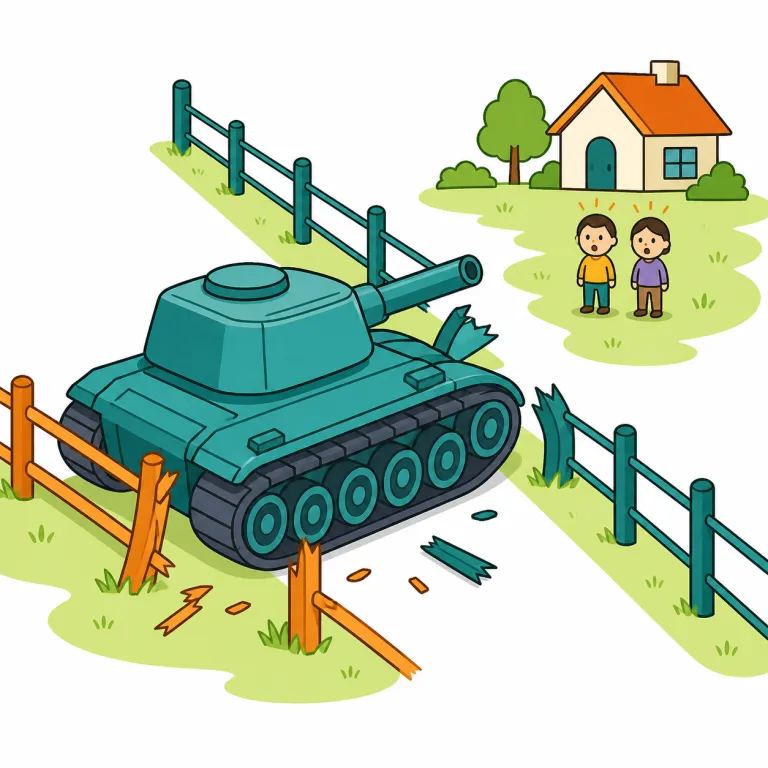
解説 Definition
aggression は、国や軍が他国に武力で攻め入る侵略行為を表すこともある。国際政治・外交・国際法の文脈でよく使われ、正当な防衛ではなく一方的で違法な軍事行動を非難する響きが強い。ニュース記事や決議文でよく見られる語義。
An armed attack by one country against another, especially an unjustified invasion. The term is common in political and diplomatic writing to condemn military action as unlawful.
例文
The UN opposed the aggression against a nearby country.
国連は近隣国に対する侵略に反対した。
Military aggression across the border started the war.
国境を越えた軍事侵略が戦争を引き起こした。
The two countries signed a plan to stop future aggression.
両国は将来の侵略を防ぐための計画に署名した。
aggression の類義語・関連語
aggression の語源・成り立ち Etymology
aggression はラテン語 aggredi「向かって進む・襲いかかる」に由来します。ad-「〜へ」+ gradi「歩む」からできていて、相手に向かって踏み出す感覚が「攻撃性」につながりました。関連語に aggressive、progress があります。
Aggression comes from Latin aggredi, meaning "to go toward" or "to attack." It is built from ad- "toward" and gradi "to step" or "walk," the same root seen in words like progress. The image of stepping toward someone became the idea of hostile attack, and then more generally of aggressive behavior.
同じレベルの語彙をもっと
英検2級の一覧へ →外部辞書で調べる
この英単語をクイズで覚えよう