古代に
解説 Definition
古い時代に、または古代様式で。過去の時代や古い方法を示す副詞。
Anciently means in ancient times or in a very old period of history. It is used when describing how people lived, believed, or did things long ago. The word is quite formal and not very common in everyday speech.
覚え方のコツ Memory Tip
anciently は ancient「古代の」に -ly が付いた形なので、まず ancient を見て意味を取る癖をつけると覚えやすいです。-ly は slowly, finally と同じく「〜に」という副詞化の合図なので、「古代のように→古代に/古い様式で」と自然につながります。old が単に古いのに対し、ancient は歴史の遠さが強い語。なお日常英語では in ancient times のほうが普通で、anciently はやや文語的・説明的だと押さえると、見かけたときに迷いません。
Build it from `ancient + -ly`. The `-ly` ending often turns adjectives into adverbs, so this means the word is being used in an adverb way. Focus on `ancient` as the memory key, since it suggests deep historical distance, not just something old. It also sounds more literary than common phrases like `in ancient times`.
例文
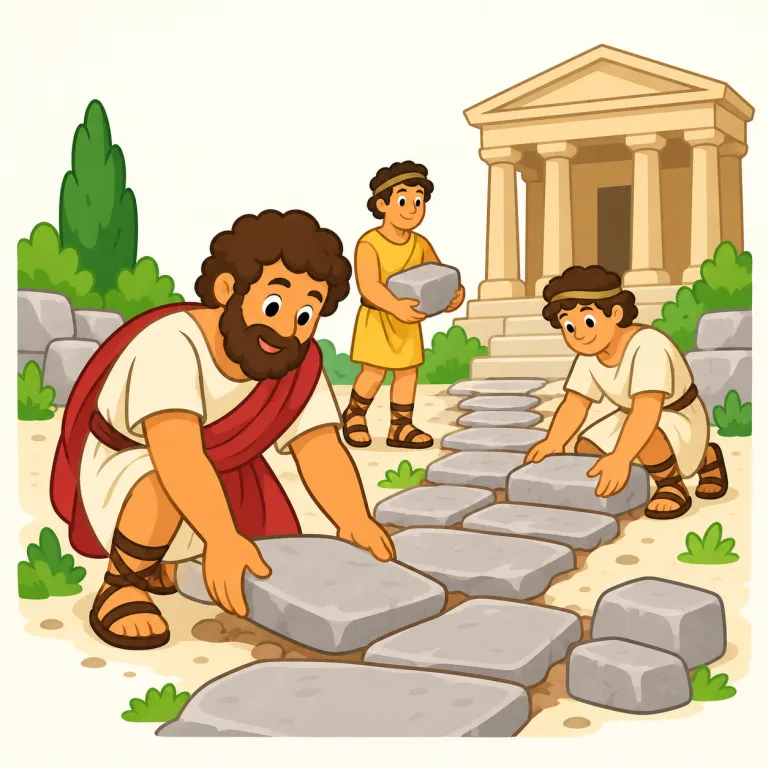
These stones were laid anciently to form a sacred pathway.
これらの石は、神聖な通路を造るために古代に敷かれました。
The building was constructed anciently using stoneworking techniques now forgotten.
その建造物は、今では忘れられた石工技術を用いて古代に建てられました。
This cooking method was used anciently by civilizations on several continents.
この調理法は、古代に複数の大陸の文明で用いられていました。
anciently の類義語・関連語
anciently の語源・成り立ち Etymology
anciently は ancient + -ly で、ancient は古フランス語 ancien を経てラテン語 ante「前」にさかのぼります。antique や antecedent と同じ ante 系なので、「今より前の時代に」という感覚がそのまま「古代に」へ伸びた語だと分かります。
Anciently comes from ancient plus the adverb ending -ly. Ancient entered English through Old French ancien and goes back to Latin ante, meaning "before." From the idea of what belongs to an earlier time, the word developed into the sense of "in old times"; antique and antecedent are related to the same root.
同じレベルの語彙をもっと
外部辞書で調べる
この英単語をクイズで覚えよう