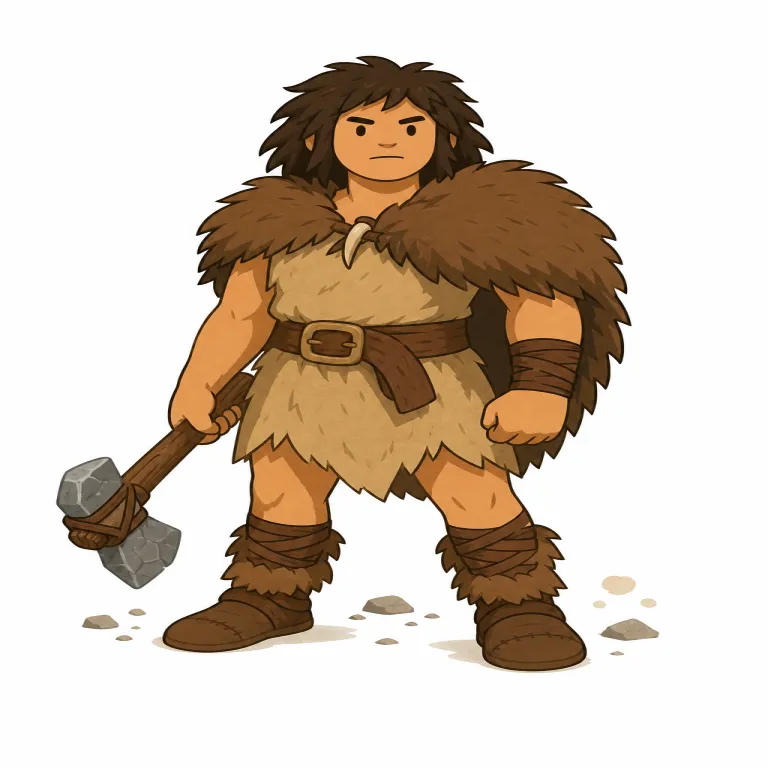
barbarian
barbarian は英検準1級レベルの英単語で、「野蛮人」という意味があります。発音記号は /bɑːrˈbɛriən/ です。
野蛮人
解説 Definition
野蛮人、文明人でない人という意味です。古い時代に、文明化されていない民族や部族の人々を指すときに使われました。現在は歴史的な文脈やあまり文明的でない行動をする人を指すときに使われます。
A barbarian is a person who is seen as wild, rough, or uncivilized. In history, the word was often used by one culture to describe people from outside that culture. Today, it can also mean someone who behaves in a very cruel or violent way.
覚え方のコツ Memory Tip
覚える軸は「文明の反対側にいる人」。まず形容詞 barbaric(野蛮な)を知っていれば、barbarian はその性質をもつ「人」だと取りやすいです。語尾 -ian は historian, musician のように「〜の人」を作る形なので、barbaric → barbarian の流れで固定すると残りやすいです。歴史では tribes, invaders, outsiders などと並びやすく、比喩では rude より強く「文明的でない・粗暴だ」という響き。barbaric は形容詞、barbarism は名詞という違いも一緒に整理すると混同しにくくなります。
Link it to `barbaric`. If something is barbaric, a barbarian is the person connected with that rough, uncivilized image. The ending `-ian` often means "a person," like in `historian` or `musician`.
例文
The ancient Romans referred to people outside their empire as barbarians.
古代ローマ人は帝国外の人々を野蛮人と呼んだ。
The barbarians invaded Rome as the empire grew weaker.
帝国が弱体化するにつれ、野蛮人たちはローマに侵攻した。
The historian studied the culture of the Germanic barbarians.
歴史家はゲルマン系の蛮族の文化を研究した。
barbarian の類義語・関連語
類義語
barbarian の語源・成り立ち Etymology
barbarianはギリシャ語barbarosが源で、ラテン語barbarus、古フランス語系の形を経て英語に入りました。外国語が「バルバル」と意味不明に聞こえるというまね語が出発点で、そこから「よそ者」そして「粗野な人」へ意味が強まりました。関連語はbarbaric、barbarismです。
From Greek "barbaros," then Latin "barbarus" and Old French before entering English. The Greek word likely began as an imitation of foreign speech sounding like "bar-bar," so it first meant a foreigner. Later, the sense became stronger and came to mean a rude or uncivilized person. Related English words include "barbaric" and "barbarism."
同じレベルの語彙をもっと
英検準1級の一覧へ →外部辞書で調べる
この英単語をクイズで覚えよう