損なっている
解説 Definition
blight の -ing 形。病気などが植物の生育を害したり、問題や不祥事などが計画・評判・将来性をひどく損なったりしていること。
Blighting is the -ing form of blight, meaning to damage something severely. It can describe disease harming plants or a problem spoiling hopes, plans, reputations, or prospects.
覚え方のコツ Memory Tip
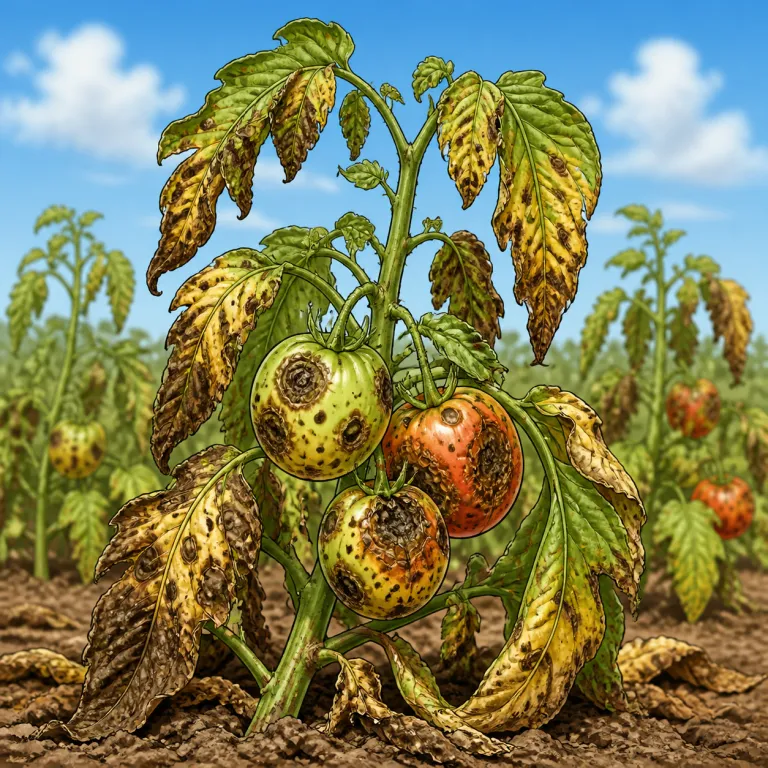
blighting は blight「植物を枯らす病害」を動作として捉えた -ing 形です。まず、青々とした作物が菌で次々にしおれる場面を固定し、そこから比喩的に、犯罪や不祥事が地域・経歴・将来性から生気を奪っている姿へ広げると覚えやすい語です。単に少し傷つける damage より、成長や成功の見込みを長く深刻に損なう響きがあります。be blighting the crop、blight a career、crime blighting a neighborhood を一組で押さえると定着しやすいです。
Link it to the noun `blight`, often used for a plant disease or a spreading source of damage. That makes `blighting` feel like an active harmful process that seriously damages plants, hopes, plans, or prospects.
例文
The fungal disease was blighting the crop.
真菌病がその作物に被害を与えていました。
The scandal was blighting the politician's career.
その不祥事は政治家としてのキャリアに悪影響を及ぼしていました。
Persistent crime is blighting the neighborhood.
絶えない犯罪がその地域を荒廃させています。
blighting の類義語・関連語
紛らわしい語
blighting の語源・成り立ち Etymology
blighting は blight「植物をしおれさせる病害・害するもの」からで、語源はやや不詳ですが、古ノルド語 blikna「青白くなる」や古英語 blīcan 系と結びつけられます。つまり「色が失せる・生気が抜ける」感覚から、「枯らす・だめにする」へ伸びた語です。関連語として bleak、bleach が挙げられます。
Blighting comes from blight, a word of somewhat uncertain origin in Germanic languages. It is often linked with Old Norse and Old English words connected with becoming pale, shining, or losing healthy color. From that idea of fading or damage, the meaning grew into "spoiling," "withering," or "ruining," and it is loosely related in feeling to words like bleach and bleak.
同じレベルの語彙をもっと
外部辞書で調べる
この英単語をクイズで覚えよう