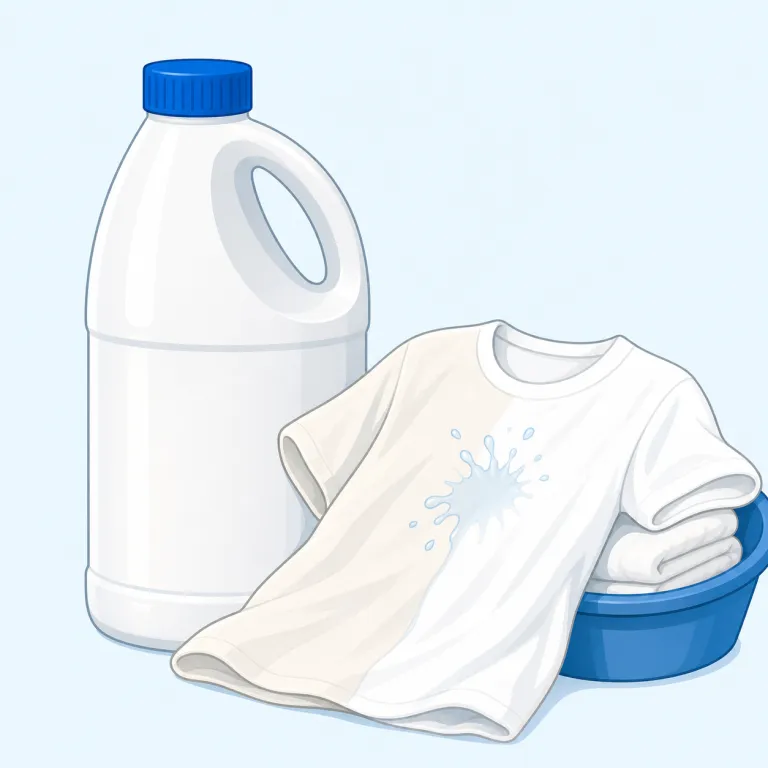
bleach
bleach は英検準1級レベルの英単語で、「漂白剤、漂白する」という意味があります。発音記号は /bliːtʃ/ です。
漂白剤
/ verb 動詞 漂白する / verb 動詞 漂白する
解説 Definition
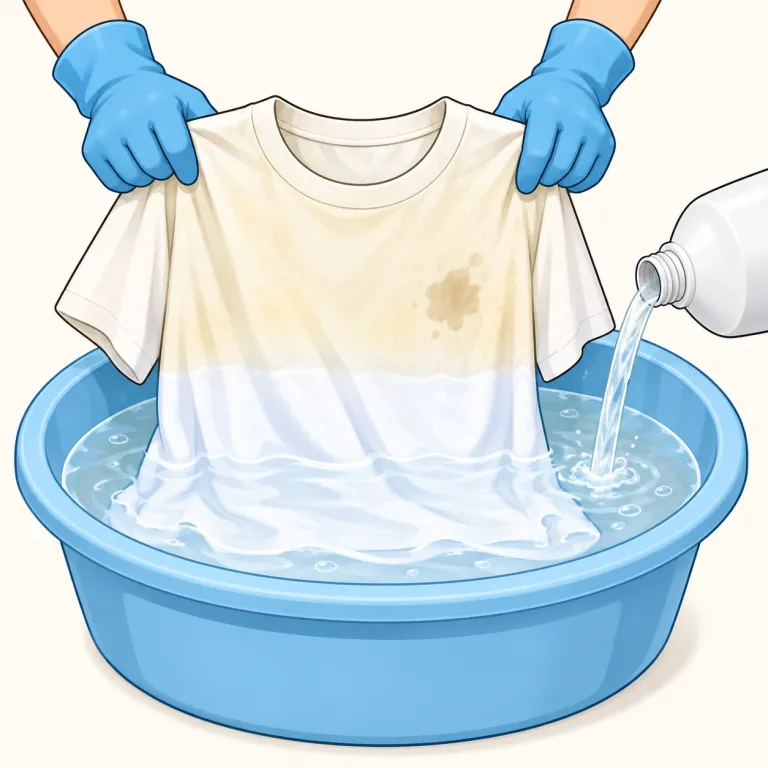
衣類や生地の汚れや色を落とし、白くするために使う化学物質。殺菌・消毒効果もある。
Bleach is a strong chemical used to make things whiter, cleaner, or free from stains. It is common in laundry and cleaning, but it must be used carefully because it can damage some materials.
覚え方のコツ Memory Tip
bleach はまず動詞「白くする」で押さえると、名詞でも「白くするための薬品」と連想しやすくなります。wash が「洗う」、clean が「きれいにする」、disinfect が「消毒する」なのに対し、bleach は「色を落として白くする」と「強い殺菌」の両方を帯びやすい語。bleach clothes, bleach hair, the smell of bleach, chlorine bleach など典型表現ごと覚えると、普通の soap や detergent ではなく、白さと刺激臭のある漂白剤の像で定着します。beach と綴りが少し似るので見間違いにも注意です。
Remember the verb first: to bleach means to make something white. Then the noun is easy: bleach is the strong chemical used for that job. Keep typical phrases in mind like bleach clothes, bleach hair, and the smell of bleach, and watch out for the similar spelling of beach.
例文
She used bleach to whiten her clothes.
彼女は漂白剤で衣類を白くした。
Bleach is commonly used in household cleaning.
漂白剤は家庭での掃除によく使われる。
The strong smell of bleach filled the room.
漂白剤の強い臭いが部屋に満ちていた。
bleach の類義語・関連語
bleach の語源・成り立ち Etymology
bleach は古英語 blǣcan「白くする」に由来し、ゲルマン系の「白い・青白い」感覚をもつ語です。接頭辞はなく語根 bleach 自体が核で、bleak や bleaching と並べると、色を抜いて白さを際立たせるので「漂白剤」になると腑に落ちます。
"Bleach" comes from Old English "blǣcan," meaning "to make white." It belongs to an old Germanic word family connected with whiteness or paleness. From the idea of making something white or pale, it came to mean removing color, and then also the substance used to do that. A related English word is "bleak," which keeps the older sense of pallor or whiteness.
同じレベルの語彙をもっと
英検準1級の一覧へ →外部辞書で調べる
この英単語をクイズで覚えよう