
意味一覧 (2件)
失明
解説 Definition
視力を完全に失った状態、あるいは著しく低下した状態を指します。先天性のものや、疾患や事故などで後天的に生じるものがあります。比喩的には、特定の事実や状況を認識できない状態を指すこともあります。
Blindness is the condition of being unable to see, either fully or partly. It is mainly used in medical or general discussions about vision loss.
覚え方のコツ Memory Tip
blind を知っていれば、そのまま「見えない状態」に -ness が付いた名詞だと捉えると覚えやすいです。darkness, kindness と同じく「語幹 + -ness = 状態・性質」の型で覚えると定着します。まずは physical blindness(実際の失明)を中心に置き、color blindness(色覚異常)や blindness to danger / injustice(危険・不正への無自覚)へ意味が広がると整理するとよいです。blind は「目が見えない/見えなくする」、blindness はその状態そのものです。
This is a clear word-building pattern: `blind` + `-ness`. Like `darkness` or `kindness`, `-ness` turns an adjective into a state or condition. First remember real physical blindness, then extend it to phrases like `blindness to danger`.
例文
Her blindness did not stop her from making music.
失明しても、彼女は音楽を続けた。
Color blindness affects a significant portion of the population worldwide.
色覚障害は世界のかなりの割合の人々に影響を与えている。
His blindness to her faults hid the truth from him.
彼女の欠点が見えなかったため、彼は真実に気づけなかった。
盲目さ、無理解
(意味 2)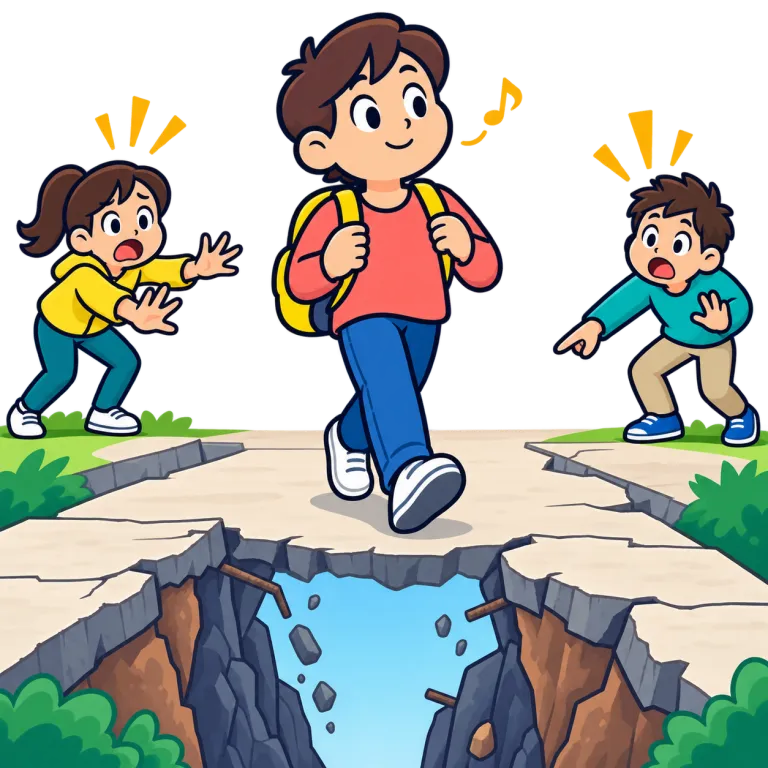
解説 Definition
この語は、事実や問題が目の前にあるのに、それに気づかなかったり理解しようとしなかったりする状態を表します。人物の欠点、社会問題、自分の偏りなどに対する比喩的な「見えていなさ」を述べるときによく使われます。
A failure or unwillingness to recognize facts, problems, or faults that are present. Used figuratively when someone does not acknowledge an issue or understand its significance.
覚え方のコツ Memory Tip
blind を知っていれば、「目が見えない」だけでなく「問題が見えていない状態」に -ness が付いた名詞だと捉えると覚えやすいです。darkness, kindness と同じく「語幹 + -ness = 状態・性質」の型で、blindness to privilege / faults / injustice のように、気づくべきことへの無理解を表します。physical blindness(実際の失明)と切り分けて、この行では心や認識の視界が閉じている比喩だと押さえると定着します。
Think of blind as failing to notice a problem, with -ness turning that quality into a noun. Picture an obvious fault that someone keeps overlooking. Remember 'blindness to' followed by the issue, as in 'blindness to injustice.'
例文
His blindness to the problem surprised everyone.
その問題に対する彼の無理解は皆を驚かせた。
Love can create a certain blindness to a partner's faults.
恋をすると、相手の欠点が見えなくなることがある。
The report noted the government's blindness to poverty in small towns.
その報告書は、小さな町の貧困に気づかない政府の姿勢を指摘した。
blindness の類義語・関連語
blindness の語源・成り立ち Etymology
blindness は古英語 blind「見えない」+-ness「状態・性質」から成る、英語本来の語です。もともと「視界が閉ざされた状態」という感覚があり、そこから文字どおり「失明・盲目」を表します。関連語は blindly, blindfold。
Blindness is a native English formation from blind and the suffix -ness, which means "state" or "condition." Blind comes from Old English blind, so the word originally meant simply the state of being blind. The same pattern appears in related forms like blindly and blindfold.
同じレベルの語彙をもっと
外部辞書で調べる
この英単語をクイズで覚えよう