意味一覧 (2件)
イノシシ
解説 Definition
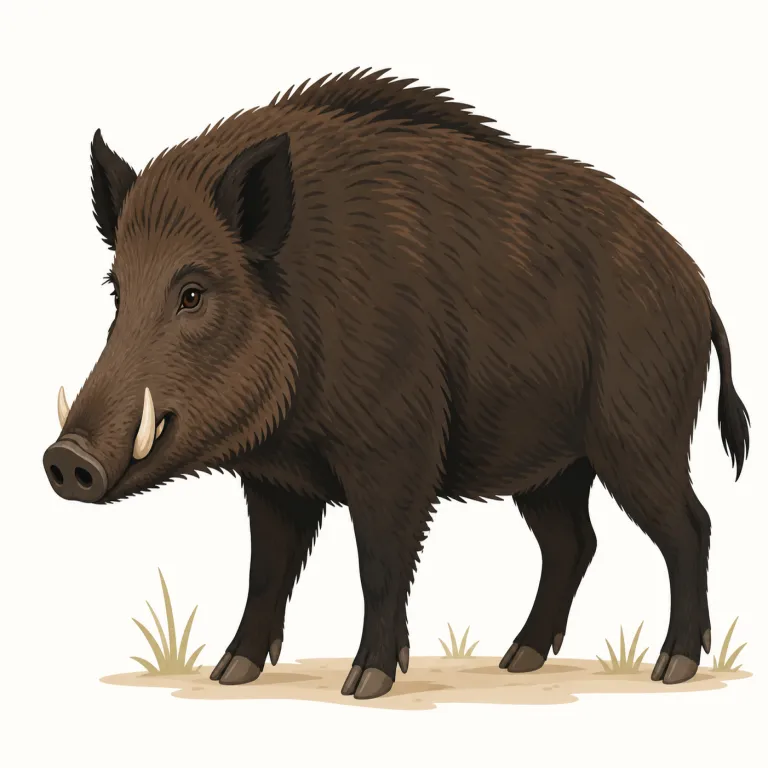
野生のイノシシは森林などに住む、大柄でずんぐりした姿の哺乳類です。全身にやや粗い毛が生え、特にオスは立派な牙と強い脚力を備えています。繁殖期などは縄張り意識が高まり攻撃的になりやすいため、遭遇した際は距離を保つ必要があります。
A boar is a wild pig, especially an adult male. The word is often used in discussions about animals, hunting, or nature, and it usually refers to a large, strong animal.
覚え方のコツ Memory Tip
pig が家畜の豚なら、boar は「森にいる wild pig」のイメージで覚えると残りやすい。特に tusks「牙」を持つ荒々しいオスの姿と結びつけるとよい。wild boar が最頻出で、ニュースや図鑑では boar attack, boar hunting などの形でも出る。似た語の sow は雌豚なので、boar は雄で力強い側、と対比すると整理しやすい。bear とつづりが少し近いが別語。家畜ではなく、牙を向けて突進する野生の豚を思い浮かべる。
Picture a wild pig in the forest with tusks. Wild boar is the most common phrase, so learn it as a chunk. It is easy to remember by contrast: pig is general, but boar feels stronger, rougher, and wild.
例文
A wild boar ran across the forest path.
野生のイノシシが森の小道を走って横切りました。
The boar's tusks are very sharp and dangerous.
そのイノシシの牙は非常に鋭く危険です。
Boars are known for their aggressive behavior.
イノシシは攻撃的な行動で知られています。
雄豚
(意味 2)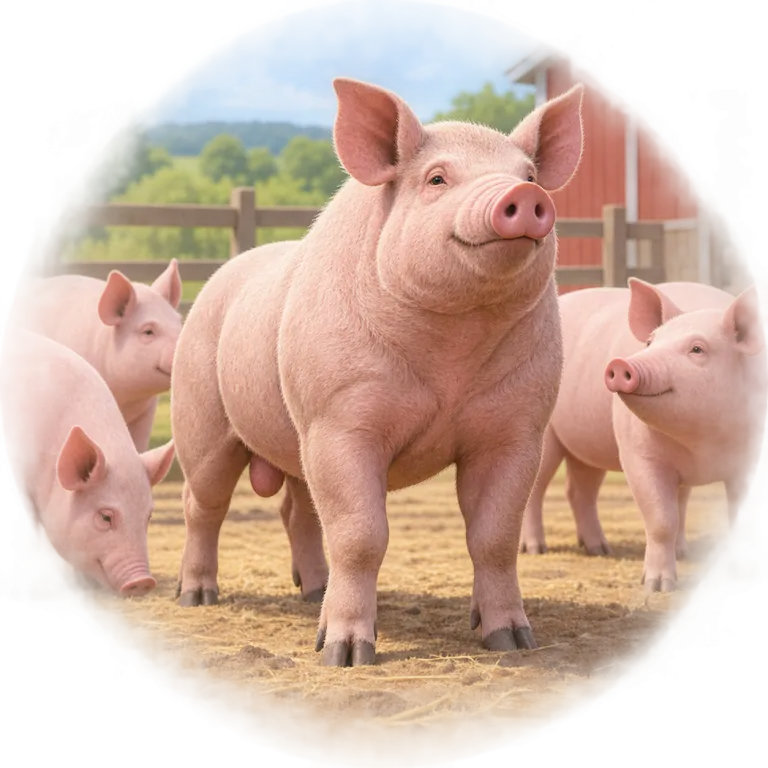
解説 Definition
家畜として飼われる豚のうち、雄の個体を指す名詞です。畜産や動物の説明で使われ、野生の「イノシシ」を表す意味とは区別して用いられます。
An adult male pig, especially one kept on a farm for breeding. In livestock contexts, it is the male counterpart of a sow.
覚え方のコツ Memory Tip
pig が家畜の豚なら、boar はその中の「オスの豚」として覚えると残りやすい。畜産では sow「雌豚」と対になり、one boar with several sows のように繁殖用の雄を指す場面で出ます。wild boar では「イノシシ」になるが、この行では家畜の雄豚が中心。牙を向けて森を走る野生の豚だけに寄せず、豚舎にいる大きなオスを思い浮かべる。bear とつづりが少し近いが別語。
If pig is the general animal, remember this word specifically as the male pig. Picture one large male in a pen with several sows, and keep this farm sense separate from “wild boar.”
例文
The farmer kept one boar with several sows.
その農家は数頭の雌豚と一頭の雄豚を飼っていた。
A large boar was separated from the young pigs.
大きな雄豚は子豚たちから離して飼われていた。
The veterinarian examined the boar before breeding season.
その獣医は繁殖期の前に雄豚を診察した。
boar の類義語・関連語
対義語
boar の語源・成り立ち Etymology
boarは古英語barに由来し、さらにゲルマン祖語*bairaz「雄の豚」へさかのぼる古い語です。家畜名というより雄獣そのものを指す芯があるので、boarには荒々しく牙を持つイノシシの像が強く残ります。関連語はドイツ語Eber、オランダ語beer。
From Old English bar, going back to Proto-Germanic *bairaz, meaning a male swine. It is a very old animal word in the Germanic languages, with related forms such as German Eber and Dutch beer. The word kept the sense of a strong male wild pig, which is why it still sounds rough and forceful.
同じレベルの語彙をもっと
外部辞書で調べる
この英単語をクイズで覚えよう