境界
解説 Definition
bounding は bound(境界を定める、跳ねる)の現在分詞・動名詞です。ここでは主に、範囲や限界を定めること、または境界に関わることを表します。
Bounding is the act of setting or marking the limits of an area or object. In attributive use, as in bounding line or bounding box, it describes something that encloses, defines, or limits a region.
覚え方のコツ Memory Tip
境界を定める動詞 bound に -ing をそのまま加えた形で、発音は「バウンディング」に近い。bounding line、bounding box のように「外側を囲んで範囲を限定する」と覚える。「跳ねながら進む」という別語源の bound の -ing 形とは文脈で区別する。
Start with the boundary-related verb bound, meaning to enclose or set limits, and add -ing without changing the spelling: bound becomes bounding. Connect it with common technical combinations such as bounding line and bounding box, both of which define the outer extent of something. Picture a rectangle drawn around an image to establish where it begins and ends. Be careful that bound also has a separate sense meaning “leap”; bounding can therefore describe an animal moving in jumps, but lines, boxes, areas, and rules signal the boundary sense intended here.
例文
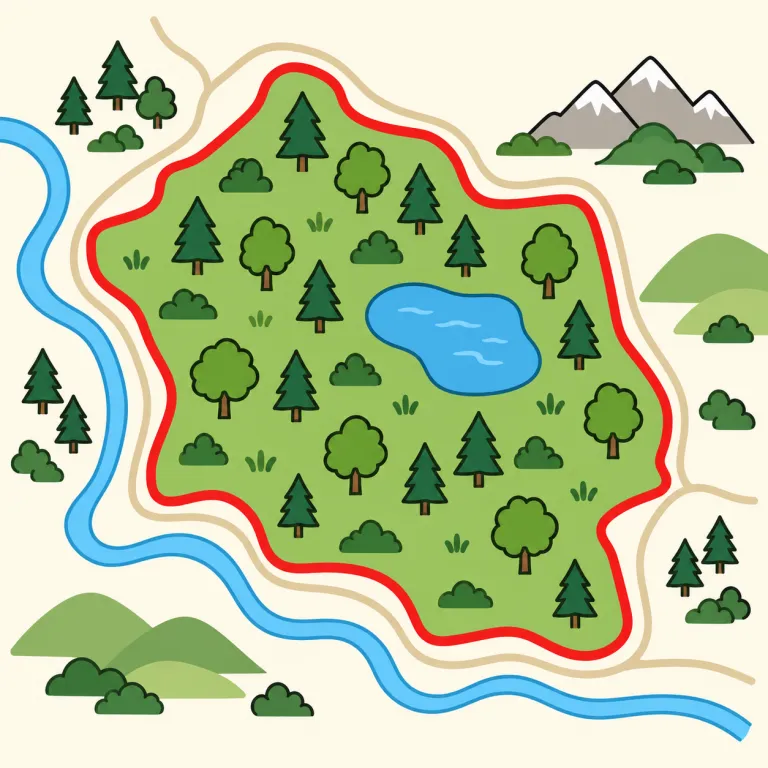
The map shows a bounding line around the protected area.
その地図は保護区域の周りの境界線を示しています。
The designer used a bounding box to set the image size.
デザイナーは画像サイズを決めるために境界ボックスを使いました。
Clear bounding rules help the system separate one region from another.
明確な境界規則は、システムが一つの領域を別の領域から分けるのに役立ちます。
bounding の類義語・関連語
bounding の語源・成り立ち Etymology
古フランス語 bodne / bone(境界)を経てラテン語 bodina(境界線)に由来する bound に -ing をつけた形。「跳ねる」の bound とは別語源で、こちらは「限界・境界を定める」意。関連語に boundary(境界線)、boundless(無限の)がある。
This form consists of bound plus -ing, with no spelling change. The boundary-related bound entered English through Old French forms meaning a boundary and is associated with Medieval Latin bodina, “boundary marker.” In this sense, bounding concerns enclosing or defining limits. It is historically distinct from the verb bound meaning “leap,” although the two verbs have the same modern spelling and inflected form.
同じレベルの語彙をもっと
外部辞書で調べる
この英単語をクイズで覚えよう