跳ねる、後ろ脚で蹴る
verb 動詞馬などが頭を下げて背を丸め、後ろ脚を激しく蹴り上げる動きを表します。乗り手を振り落とそうとする動作に使われることが多く、人が急に跳ねる動作にも比喩的に使われます。
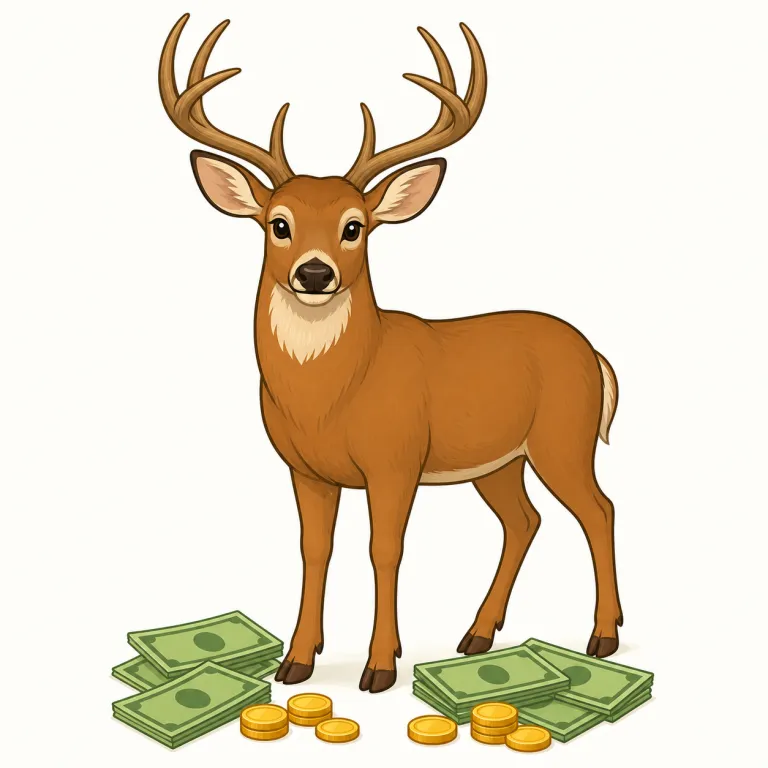
buck はTOEIC 860・TOEFL 80・IELTS 6.5レベルの英単語で、「雄鹿、ドル」という意味があります。発音記号は /bʌk/ です。
buck は名詞で、動物では雄のシカ、とくに成獣の雄鹿を指す。口語では主にアメリカ英語で 1 ドルの意味でも広く使われ、a few bucks や ten bucks のように、金額をくだけて表す言い方として日常会話でよく用いられる。
A buck can mean a male deer. In informal American English, it also means one dollar. The meaning is usually clear from the situation, especially in nature or money-related topics.
buck はまず会話での "dollar" として覚えると定着しやすい。a few bucks, ten bucks の形で頻出し、price や cost の話題でくだけた響きになる。そこから「雄の動物を表す語」という軸も足すと、male deer=雄鹿の意味も整理しやすい。動物では doe(雌鹿)と対比すると記憶に残る。お金の意味はかなり口語的で、正式な文では dollar を使う場面が多い点にも注意。
First remember the everyday money use: `ten bucks`, `a few bucks`. It is a casual word for `dollars`, so it often appears in spoken English. Then add the animal meaning by pairing it with `doe`, so `buck` is the male one.
The buck was a male deer with large antlers.
その雄ジカには大きな角があった。
She saved a few bucks to buy a new jacket.
彼女は新しいジャケットを買うために数ドル貯めた。
I only have ten bucks left for the concert.
コンサートに使えるお金はあと10ドルしかない。
文脈によって、次の意味でも使われます。
馬などが頭を下げて背を丸め、後ろ脚を激しく蹴り上げる動きを表します。乗り手を振り落とそうとする動作に使われることが多く、人が急に跳ねる動作にも比喩的に使われます。
権威、慣習、傾向などに従わず、強く抵抗することを表します。buck the system や buck the trend のように、通常予想される流れに反する行動や結果について使われます。
句動詞・イディオムなど 2 件。クリックで各表現の詳細へ。
buck は古英語 bucca「雄ヤギ」に由来するゲルマン系の語で、のちに「雄ジカ」に意味が広がりました。力強い雄獣を指す呼び名が別の動物にも移った形で、語感の中心は一貫して「雄のけもの」です。同根語に独語 Bock、仏語 bouc があります。
Buck comes from Old English bucca, originally meaning a male goat. Later, the word was also used for a male deer, so its meaning widened from one animal to another. The central idea stayed the same: a strong male animal. It is related to German Bock and French bouc.
この英単語をクイズで覚えよう