意味一覧 (3件)
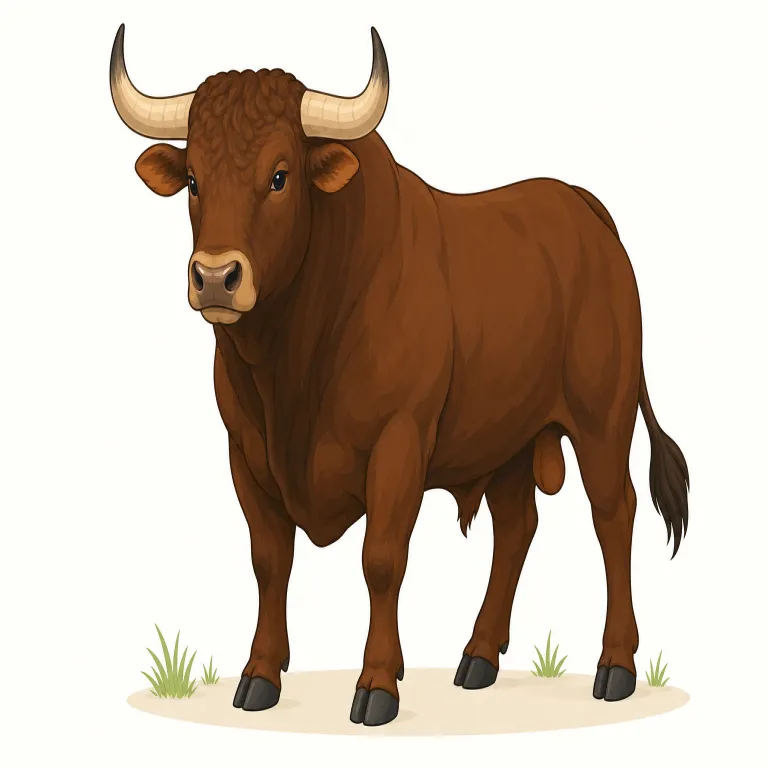
雄牛
解説 Definition
去勢していない成長した雄の牛を指す名詞。cow などと対比して性別を明確にするときに使われ、農場での飼育、繁殖、闘牛などの場面でよく見られる。力強さや荒々しさを連想させる語として比喩的に使われることもある。
A bull is an adult male cow. The word is mainly used in farming or animal contexts, and bulls are often seen as strong and sometimes dangerous.
覚え方のコツ Memory Tip
まず cow が雌、calf が子牛なら、bull は「成長した雄」の担当と整理すると残りやすいです。単に“牛”全般ではなく、性別と成長段階をはっきり言う語だと意識するのがコツ。おとなの雄なので、力が強く荒々しく、突進してきそうなイメージを結びつけると定着します。bullfight(闘牛)や bullish(強気の)にもその勢いが残っています。反対に ox は去勢して働かせる牛を指すことが多く、bull とは別。農場・繁殖・闘牛の場面が出たら bull を思い出すと迷いません。
Place it in a simple animal family set: calf is the baby, cow is the female, bull is the adult male. The word feels strong and aggressive, which is why it appears in words like bullfight and bullish. That helps you remember it is not just any cow, but a powerful male one.
例文
The bull is big.
その雄牛は大きい。
A bull eats grass.
雄牛が草を食べる。
The bull runs fast.
その雄牛は速く走る。
たわごと
(意味 2)解説 Definition
口語で、話の内容が信用できないことや、中身のないたわごとを表すくだけた名詞。相手の発言、言い訳、うわさ話などを強く退けるときに使う。かなりぞんざいで、場面によっては失礼または粗野に聞こえる。
覚え方のコツ Memory Tip
bull が「たわごと」の意味になるのは非常にくだけた用法で、まず That’s bull.「そんなのはでたらめだ」を場面ごと覚えましょう。a load of bull は「大量のでたらめ」、I don’t want to hear any bull. は「くだらない話は聞きたくない」という強い拒絶です。nonsense よりぞんざいで、bullshit をやや短くぼかした言い方として使われることもあります。会議で相手の言い訳を一蹴する荒っぽい場面を想像し、友人同士などの口語に限り、丁寧な会話や目上の人には避ける語だとセットで覚えましょう。
例文
That's a load of bull, and everyone knows it.
それはまったくのたわごとで、みんな分かっている。
I don't want to hear any bull from the sales team.
営業チームのたわごとは聞きたくない。
He said the story was bull.
彼はその話をたわごとだと言った。
強気筋
(意味 3)解説 Definition
金融や相場の文脈で、価格はこれから上がると見て買いに回る人を指す。株式・為替・商品市場などで使われ、市場全体や特定の商品に対して楽観的な立場を表す。反対語の bear と対で使われることが多く、相場観そのものを示す語としてもよく現れる。
覚え方のコツ Memory Tip
金融の bull は、雄牛そのものではなく「相場を上へ突き上げる側」と考えると覚えやすいです。牛が角で下から上へ突き上げるイメージを、価格が上がると見て買う人に結びつけます。単に力が強い人ではなく、株・為替・商品などで「上がる」と見て動く人が bull。反対の bear は下向き相場を見込む弱気筋なので、bull = 上向き、bear = 下向きとセットで固定すると迷いません。
例文
A bull thinks prices will go up.
強気筋は価格が上がると考える。
Bulls buy because they expect higher prices.
強気筋は値上がりを見込んで買う。
She is one of the biggest bulls on gold this year.
彼女は今年、金に最も強気な投資家の一人だ。
bull の類義語・関連語
bull の語源・成り立ち Etymology
「雄牛」の bull は古英語 bula / bulla「雄牛」に由来し、古ノルド語 boli などゲルマン系の語とも近いとされます。もとから成長した雄の牛を指す語で、力強さや荒々しさの連想もここから広がりました。でたらめを表す bull とは語源的に別扱いです。関連語は bullfight, bullish です。
Bull in the sense of "nonsense" is different in origin from bull meaning "male cow." It appeared in English in the 17th or 18th century, but its exact source is unclear. It seems to have grown inside English for talk that is exaggerated, foolish, or does not make sense. Related later expressions include bullshit and bull session.
同じレベルの英単語をもっと
外部辞書で調べる
この単語を英単語クイズで覚えよう