犠牲になったもの、被害を受けたもの
noun 名詞事故や社会変化などの悪影響を受け、失われたり損なわれたりした物・制度・活動を指します。be a casualty of ...の形が多く、人ではない対象にも比喩的に用いられます。
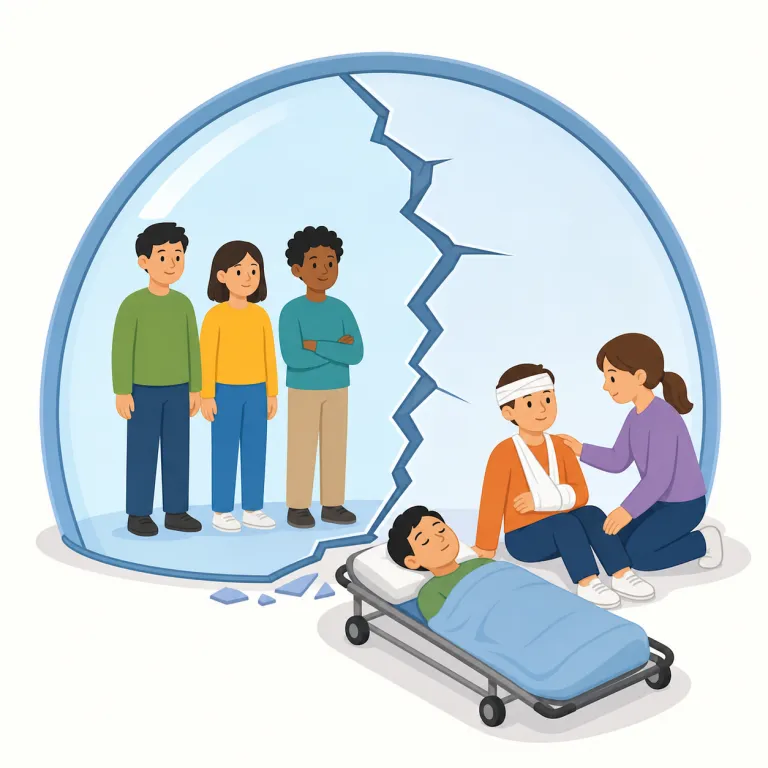
casualty は英検準1級レベルの英単語で、「死傷者」という意味があります。発音記号は /ˈkæʒəwəlti/ です。
戦争や事故、災害などで死傷した人のことです。被害者の数を表す統計用語として使われることが多いです。
A casualty is a person who is killed or injured in a war, accident, or other serious event. It is often used in news reports and official information, especially in the plural form, to talk about the number of people harmed.
casual を知っているなら、casualty は「偶然の出来事で生じた被害」とつなげると記憶しやすいです。実際の英語では war, accident, earthquake などと一緒に出やすく、単なる death ではなく「死者と負傷者を合わせた数」を指すのが重要です。victim が一人ひとりの被害者に焦点を当てやすいのに対し、casualty は casualty figures, civilian casualties のように報道・統計の語感が強い、とセットで覚えると混同しにくくなります。
Start with the familiar word "casual." Casualty is not casual clothing; it is the damage that happens in a serious event. Remember it with news phrases like "civilian casualties" or "casualty figures," which often count both the dead and the injured.
The casualty count from the accident was reported as five.
事故による死傷者数は5人と報告されました。
The war left thousands of casualties in its wake.
その戦争では数千人の死傷者が出ました。
The hospital prepared for potential casualties from the disaster.
病院は災害で出る可能性のある死傷者に備えました。
文脈によって、次の意味でも使われます。
事故や社会変化などの悪影響を受け、失われたり損なわれたりした物・制度・活動を指します。be a casualty of ...の形が多く、人ではない対象にも比喩的に用いられます。
主にイギリス英語で、病院の救急外来または救急部門を指します。go to casualtyやbe taken to casualtyのように、冠詞なしで場所や診療部門として使われることがある、やや古い表現です。
casualty は casual から来て、ラテン語 casus「出来事、落下」にさかのぼります。casus は cadere「落ちる」由来で、case や accident と同根です。もとは「偶然の出来事」だった語が、不運な死傷を指す語へ変わった流れが見えます。
Casualty comes from casual and goes back through Late Latin to Latin casus, meaning "event" or "fall," from cadere, "to fall." Words like case and accident come from the same root. It first referred to a chance event, then gradually narrowed to an unfortunate event, especially one involving injury or death.
この英単語をクイズで覚えよう