
conflict with
conflict with は英検2級・TOEIC 730・TOEFL 60・IELTS 5.5レベルの英語表現で、「〜と矛盾する、食い違う、両立しない、対立する」という意味があります。発音記号は /kənˈflɪkt wɪð/ です。
〜と矛盾する、食い違う、両立しない
解説 Definition
計画・意見・証拠・価値観などが他のものと合わず、同時に成り立たない、または内容が一致しないことを表す。予定がぶつかる場合にも、主張や事実が矛盾している場合にも使え、不一致や対立があることを示す表現である。
If one thing conflicts with another, the two things do not match or cannot exist together easily. This phrase is often used for ideas, rules, plans, schedules, or interests. It can describe either a direct contradiction or a practical problem between two things.
覚え方のコツ Memory Tip
conflict はまず「対立・衝突」の基本イメージを押さえる。with が付くと「何とぶつかるか」が明確になり、a plan conflicts with my schedule, this evidence conflicts with his story のように予定・証拠・説明が食い違う時にそのまま使える。disagree with が人の意見の不一致に寄りやすいのに対し、conflict with は内容や条件そのものが両立しない感じ。match with の反対側に置くと記憶に残りやすい。
`Conflict` gives a picture of two things hitting each other. So `conflict with` is easy to remember as "not fitting together" in schedule, evidence, rules, or plans. It is often about facts or conditions, not just people having different opinions. You can remember it as the opposite of `match with`.
例文
His plan conflicts with our school rules.
彼の計画は私たちの校則と矛盾している。
His story conflicts with what I saw.
彼の話は私が見たことと食い違っている。
Her plans conflict with her family's wishes.
彼女の計画は家族の希望と両立しない。
対立する
(意味 2)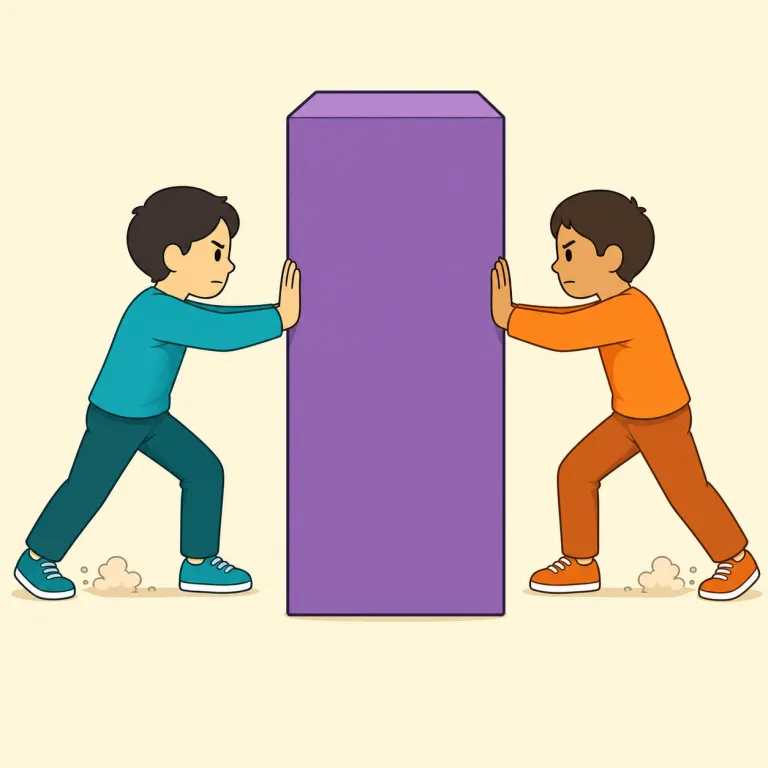
解説 Definition
人・組織・立場・利害などが相手とぶつかり、考えや目的が対立して摩擦が生じるときに使う。単なる内容の食い違いよりも、反発や争いの気配がある言い方で、政策・価値観・利益関係などについてよく用いられる。人間関係の不和を述べる場合にも使える。
To be opposed to another person, group, or position because of competing ideas, goals, or interests. This expression often describes tension between political views, policies, or demands.
例文
The union's demands conflict with management's plans.
労働組合の要求は経営陣の計画と対立している。
His political views often conflict with those of his parents.
彼の政治的な考えはしばしば両親の考えと対立する。
The protesters' goals conflict with the government's agenda.
抗議者たちの目標は政府の方針と対立している。
対立する
(意味 3)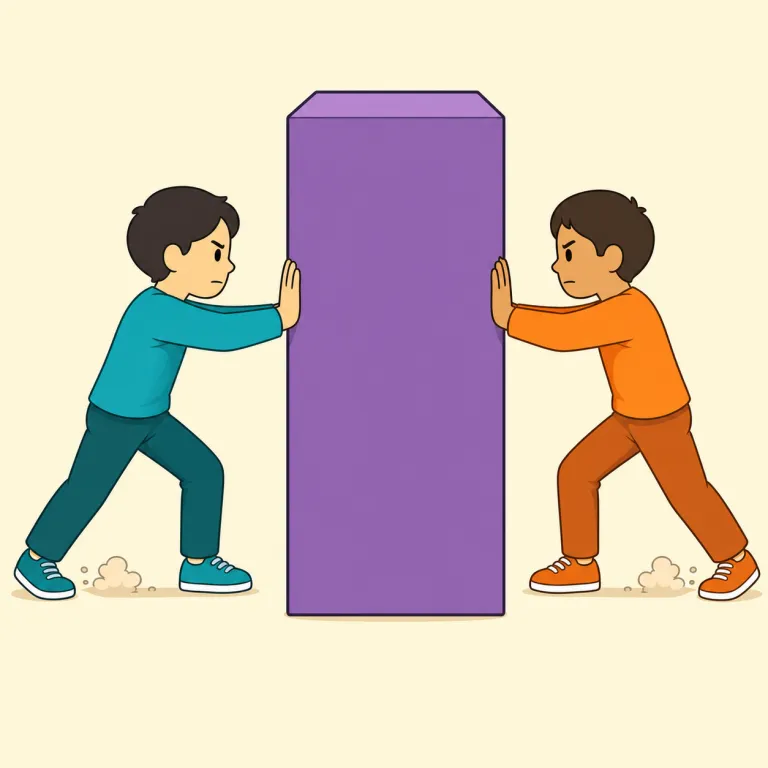
解説 Definition
人・組織・立場・利害などが相手とぶつかって対立するときや、予定・証拠・説明・条件などが互いに両立しないときに使います。政策・価値観・利益関係の衝突にも、内容同士の食い違いにも使える表現です。人間関係の不和を述べる場合にも使えます。
To oppose or be incompatible with someone or something. It can describe opposing interests or views, overlapping schedules, or evidence and explanations that do not agree.
例文
The union's demands conflict with management's plans.
労働組合の要求は経営陣の計画と対立している。
His views often conflict with his parents' views.
彼の考えはしばしば両親の考えと対立する。
Our group's plans conflict with the school's plans.
私たちのグループの計画は学校の計画と対立している。
conflict with の類義語・関連語
conflict with の語源・成り立ち Etymology
conflict はラテン語 confligere に由来し、con-「共に」+ fligere「打つ」で、原義は「ぶつかり合う」です。with も古英語では「〜に対して」の感覚を持ち、関連語は afflict, inflict。だから conflict with は文字どおり「相手とぶつかって対立する」です。
`Conflict` comes from Latin *confligere*, meaning "to strike together," from *con-* "together" and *fligere* "to strike." The earliest image is of things hitting each other. From that physical clash, `conflict with` developed the broader sense of opposing or being incompatible with something. Related words include `afflict` and `inflict`.
同じレベルの語彙をもっと
英検2級の一覧へ →外部辞書で調べる
この英語表現をクイズで覚えよう