大いに喜ぶ、楽しむ
verb 動詞自分自身が何かに大きな喜びや楽しみを感じることを表す。通例 delight in+名詞・動名詞の形で用い、人を喜ばせる既存義とは、喜びを感じる主体が異なる。
動詞 delight の現在分詞・進行形で、人をうれしくさせている、楽しませている状態を表す。出来事や人、演技、料理などが相手に強い満足感や喜びを与えている場面で使われる。
Delighting means giving someone great pleasure or making them feel very happy. It is often used when something pleasantly surprises people or gives them strong enjoyment. The word has a warm, positive feeling and is common in customer experience, entertainment, and everyday description.
まず基準語は delight。like や enjoy より一段強く、「うれしい」を超えて「大喜びさせる」感じで覚えると残りやすいです。delighted は「喜んでいる側」、delighting は「喜ばせている側」、delightful は「感じのよい・楽しい」と並べて整理すると混同しにくくなります。よくある形は delighting audiences, delighting fans, a delighting performance などで、人や出来事が相手に強い満足感を与える場面を思い浮かべると定着します。
Start from `delight`, which is stronger than `like` or `enjoy`. Then sort the family: `delighted` is the feeling, `delighting` gives that feeling, and `delightful` describes something pleasant. Think of phrases like `delighting audiences` or `delighting fans`.
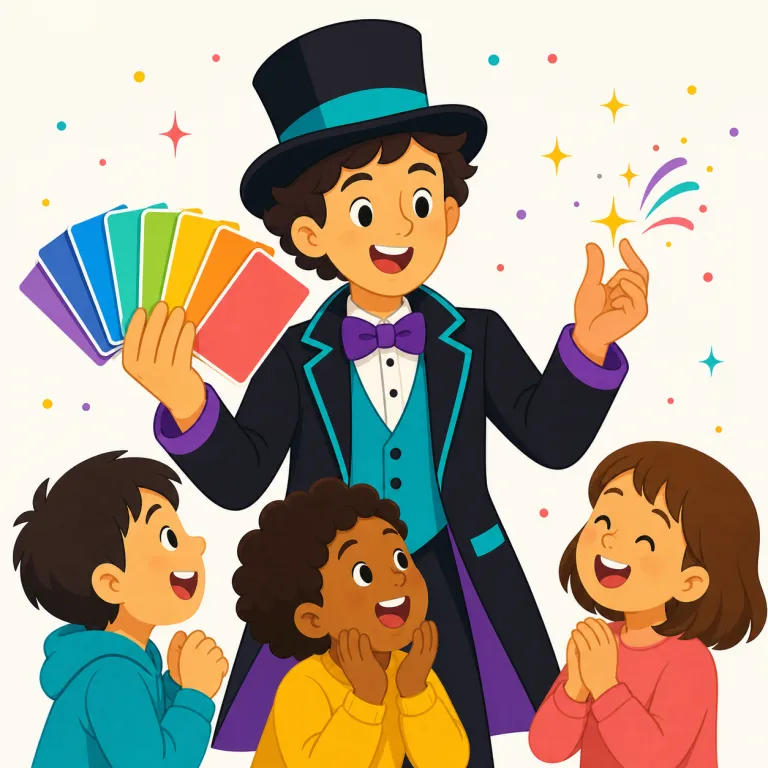
The magician was delighting the children with his card tricks.
そのマジシャンはカードの手品で子どもたちを喜ばせていました。
The chef has been delighting guests with innovative dishes all evening.
そのシェフは一晩ずっと、独創的な料理で客たちを楽しませています。
The street performer was delighting passersby with her beautiful violin music.
その大道芸人は美しいバイオリンの演奏で通行人を喜ばせていました。
文脈によって、次の意味でも使われます。
自分自身が何かに大きな喜びや楽しみを感じることを表す。通例 delight in+名詞・動名詞の形で用い、人を喜ばせる既存義とは、喜びを感じる主体が異なる。
delighting は de- と light の合成ではなく、古フランス語 delitier を経た delight から来る。語根はラテン語 delectare「楽しませる」で、「心を引きつける」感覚が「喜ばせる」へ育った。関連語は delight, delectable。
Delighting comes from delight, not from de- + light. Delight entered English through Old French delitier and goes back to Latin delectare, meaning "to please" or "to charm." Its sense grew from strongly attracting the mind or feelings to giving great pleasure; a related word is delectable.
この英単語をクイズで覚えよう