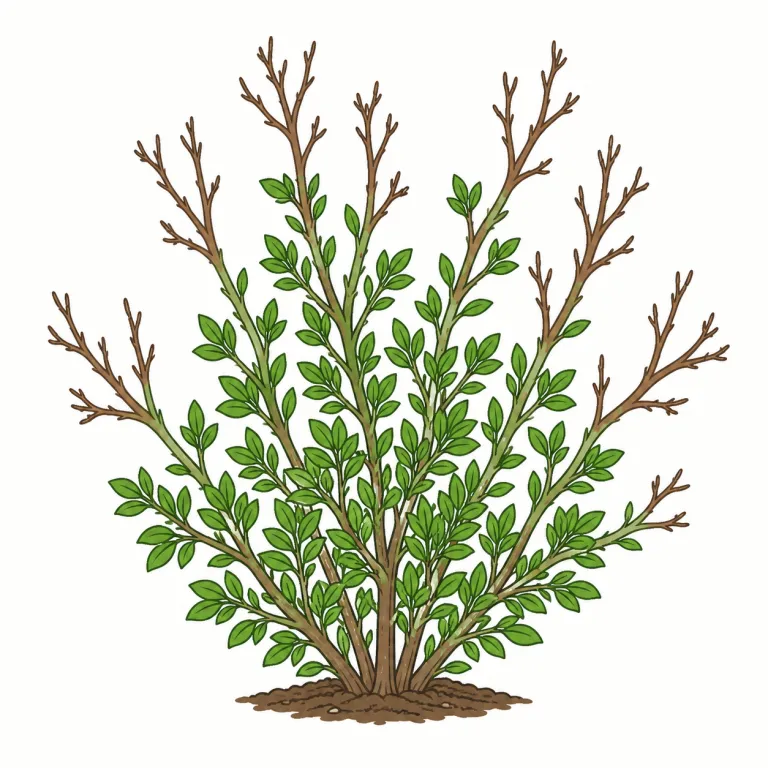
枯れ込み
解説 Definition
植物の枝や茎が先端から内側へ向かって枯れていく現象を指す名詞。病気、害虫、乾燥、寒害などが原因で起こり、木全体の衰弱や生育不良の兆候として見られることが多い。園芸や林業の文脈でよく使われる。
Dieback is a condition in which a plant or tree begins to die from the tips of its leaves, branches, or roots. It is often caused by disease, damage, or poor growing conditions and is mainly used in gardening, farming, and biology.
覚え方のコツ Memory Tip
die と back をそのまま手がかりにすると覚えやすい語です。枝先が die して、その枯れが back、つまり幹のほうへ戻るように広がるイメージを持つと定着します。植物全体が急に死ぬ話ではなく、先端から内側へじわじわ進む枯れ込みを指すのがポイント。園芸では branch dieback, shoot dieback の形で見かけやすく、wilt がしおれる、rot が腐るのに対し、dieback は「枝先から後退する枯れ」と区別すると混同しにくいです。
Split it into `die` + `back`. Picture the end of a branch dying first, and the damage moving back toward the trunk. That image helps separate it from `rot` or `wilt`. Common pairs like `branch dieback` and `shoot dieback` make it easier to remember.
例文
Dieback of the branches indicated a serious disease affecting the tree.
枝の枯れ込みは、その木が深刻な病気にかかっている兆候だった。
The gardener addressed the dieback by pruning the affected limbs.
庭師は、被害の出た枝を剪定して枯れ込みに対処した。
Drought stress can cause twig dieback in many plant species.
干ばつによるストレスは、多くの植物種で小枝の枯れ込みを引き起こすことがある。
dieback の類義語・関連語
dieback の語源・成り立ち Etymology
dieback は die「死ぬ・枯れる」(古ノルド語系)と back(古英語)の複合語。単なる枯死でなく、死がじわじわ引き返す感覚から、枝先から枯れ込みが広がる現象を表す。同根語に dead、death。
Dieback is a compound of die and back. Die comes from Old Norse and other Germanic forms, related to English dead and death, while back comes from Old English. The image is of dying that moves back little by little, which led to the idea of damage spreading inward from the tips.
同じレベルの語彙をもっと
外部辞書で調べる
この英単語をクイズで覚えよう