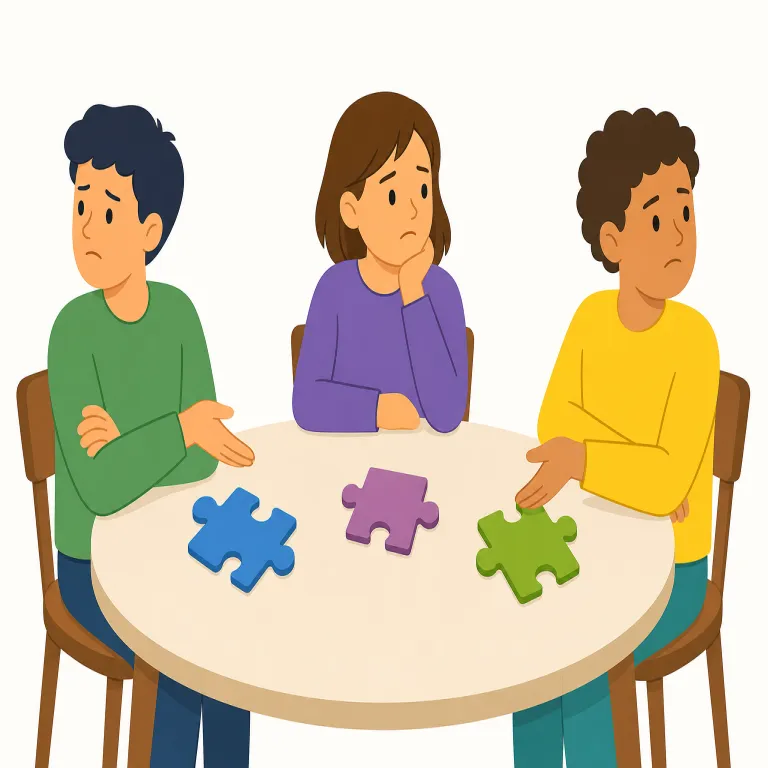
意見の相違
解説 Definition
意見や考え方が異なることによる不調和または不同意。グループの中で人々が同じ見方をしていない状態です。
Dissension means disagreement that causes conflict within a group. It often refers to arguments, opposing opinions, or lack of unity among members. This word is commonly used in politics, organizations, and other situations involving internal division.
覚え方のコツ Memory Tip
まずdissent「反対意見を述べる」を知っていると覚えやすい語です。dissensionはその一回の反対ではなく、チーム・組織・陣営の中に反対や不一致が広がって、空気がぎくしゃくしている状態を表す名詞。dis- は「ばらばら」、-sion は名詞化、と見ておくと形も拾えます。a cause of dissension, dissension within the party のように「集団内の不和」と結びつけると定着しやすいです。dissent が個人の異論、dissension が集団の不一致という差も意識すると混同しません。
If `dissent` is one act of disagreement, `dissension` is the wider state of disagreement spreading through a group. The ending `-sion` helps mark it as a noun, and `dis-` can suggest things pulling apart. Remember phrases like `dissension within the party` to link it with conflict inside a team or organization.
例文
There was dissension among the board members about the new strategy.
新しい戦略について、取締役会のメンバーの間で意見が分かれていた。
The dissension in the team made it difficult to complete the project on time.
チーム内で意見が対立し、プロジェクトを期限までに終えるのが難しくなった。
The political party experienced dissension over tax policy.
その政党では、税制をめぐって党内の意見が対立した。
dissension の類義語・関連語
類義語
紛らわしい語
dissension の語源・成り立ち Etymology
dissensionはラテン語dis-「離れて」+ sentire「感じる」が元で、「気持ちが別々を向く」が原像です。assentやconsentも同じsent系で、感じ方が一致しないことから「意見の相違」になったと分かります。
Dissension comes from Latin roots meaning "to feel apart" or "feel differently," from dis- "apart" and sentire "to feel." The original image is of people whose feelings or opinions do not go in the same direction. Related words with the same root include assent and consent.
同じレベルの語彙をもっと
外部辞書で調べる
この英単語をクイズで覚えよう