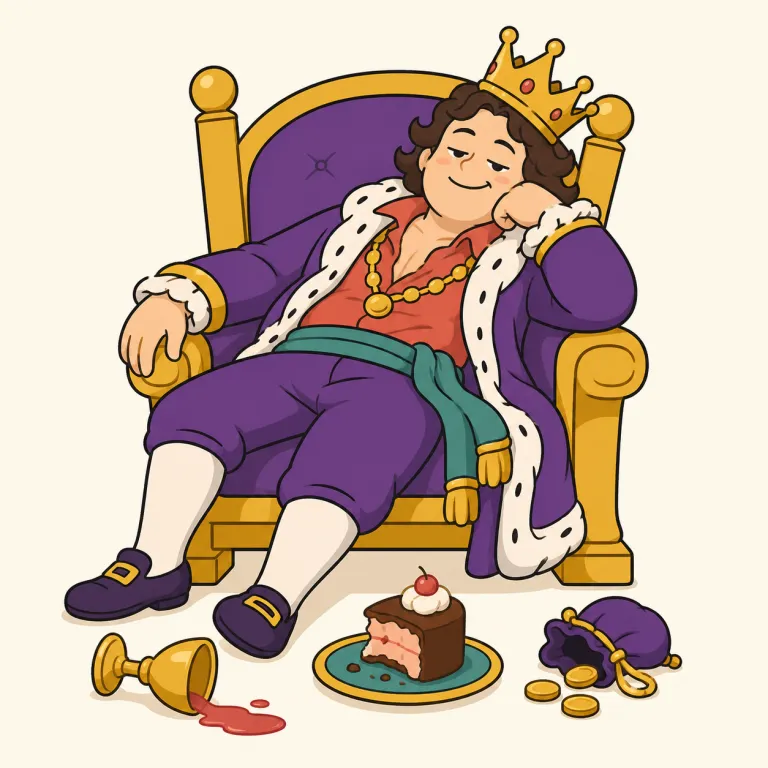
自堕落な
解説 Definition
道徳的に堕落して放蕩な生活を送る様子。節度がなくだらしない。
Dissolute describes someone who lives in a morally weak or uncontrolled way, especially by seeking too much pleasure. It is often used in formal or literary contexts for behavior involving sex, drinking, or laziness. The word has a strong negative meaning.
覚え方のコツ Memory Tip
dissolute は、まず simple な loose を思い出し、「生活の締まりがない、道徳のタガが外れた状態」とつなげると残りやすい。単なる lazy ではなく、酒・遊び・性などにふけって品行が乱れている感じ。a dissolute life, dissolute habits の形で見かけやすい。disorganized が物や計画の乱れなら、dissolute は人の morals の乱れ。debauched に近いが、やや文学的で硬い語。
Notice the idea of being morally `loose` inside this word. It is stronger than just `lazy`: it often suggests a life with no self-control. Remember common phrases like `a dissolute life` or `dissolute habits`.
例文
The dissolute king spent the kingdom's treasury on lavish parties and personal indulgences.
自堕落な王は王国の国庫の金を豪華なパーティーや自分のぜいたくのために費やした。
His dissolute lifestyle eventually ruined both his health and his reputation.
彼の放蕩な生活はやがて健康と名声の両方を台無しにした。
The novel portrays dissolute aristocrats who waste their fortunes on endless parties and luxuries.
その小説は、終わりのないパーティーやぜいたくに財産を浪費する自堕落な貴族たちを描いている。
dissolute の類義語・関連語
dissolute の語源・成り立ち Etymology
dissolute はラテン語 dissolutus「ゆるめられた、ばらばらの」に由来し、dis-「離して」+ solvere「ゆるめる・解く」から成ります。文字通り「締まりがほどけた」感覚から、生活や道徳に歯止めがない「自堕落な」の意味になりました。関連語に dissolve, soluble があります。
Dissolute comes from Latin `dissolutus`, meaning "loosened" or "broken apart." It is made from `dis-` "apart" and `solvere` "to loosen" or "untie," the same root seen in `dissolve` and `soluble`. From the idea of something no longer held together, it came to suggest a life with no restraint or discipline.
同じレベルの語彙をもっと
外部辞書で調べる
この英単語をクイズで覚えよう