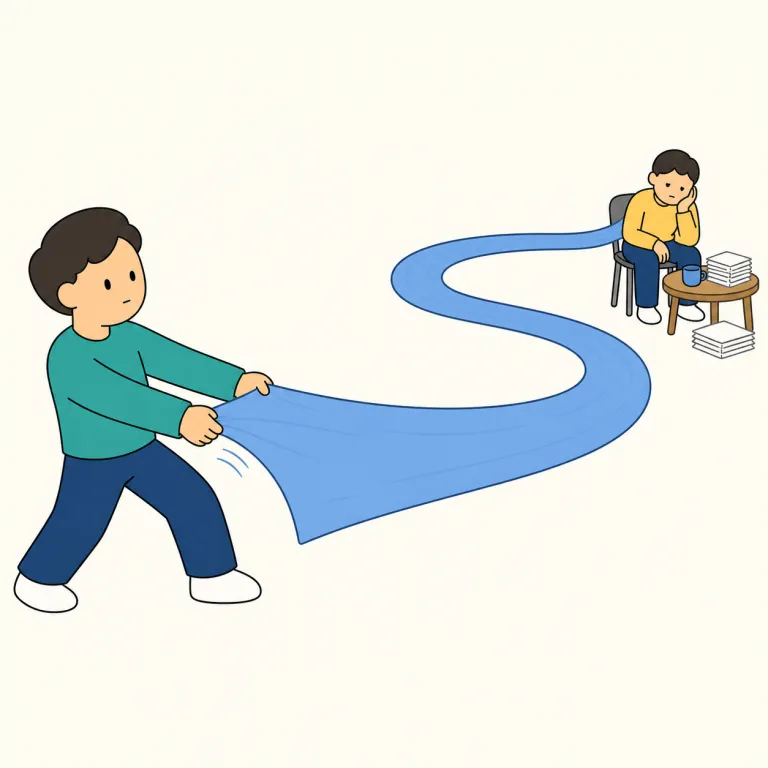
drag out
drag out は英検1級・TOEIC 730・TOEFL 60・IELTS 5.5レベルの英熟語で、「長引かせる、引きずり出す」という意味があります。発音記号は /ˈdræɡ ˈaʊt/ です。
長引かせる
解説 Definition
「drag out」は、交渉・事件・話などを必要以上に長引かせる、または何かをゆっくりと引き出すことを指す。相手の答えや雰囲気を引き延ばす時にも使われ、否定的なニュアンスが強い。
This means to make something continue longer than necessary or longer than expected. It is often used for meetings, problems, arguments, or processes. It usually has a negative feeling because the delay is tiring or annoying.
覚え方のコツ Memory Tip
まず drag を「ずるずる引きずる」で固定すると覚えやすいです。drag out は、終わるはずの話・会議・交渉を外へ長く引っぱり出してしまう感覚で、「不必要に長引かせる」に結びつきます。drag out the meeting, drag out negotiations のように、聞くだけで少しうんざりする場面が多いのも記憶フックです。自然に長いだけの last long と違い、drag out は人為的・不快に長びく感じ。似た drag on は自動詞で「だらだら続く」、drag out は目的語を取りやすい点もセットで押さえると混同しにくいです。
`Drag` gives the image of pulling something slowly along the ground. So to `drag out` a meeting or negotiation is to pull it on longer than necessary. Remember the slightly tired, annoyed feeling this phrase often has.
例文
The committee dragged out the debate for hours over minor points.
委員会は些細な点で議論を何時間も引き延ばした。
Please do not drag out the apology; say it clearly and move on.
いつまでも謝り続けず、きちんと謝って先に進んでください。
There is no reason to drag out this simple decision.
この単純な決定を長引かせる理由はありません。
えいたんごクイズでの正答率
この語をはじめて出題された 30人 のうち 25人 が正解しました(83%)。
えいたんごクイズの回答から集計した独自データです。1人につき最初に出題されたときの1回だけを数えており、復習や2回目以降の回答、「わからない」と時間切れは含みません。 集計時点は 2026年9月19日 です。
引きずり出す
(意味 2)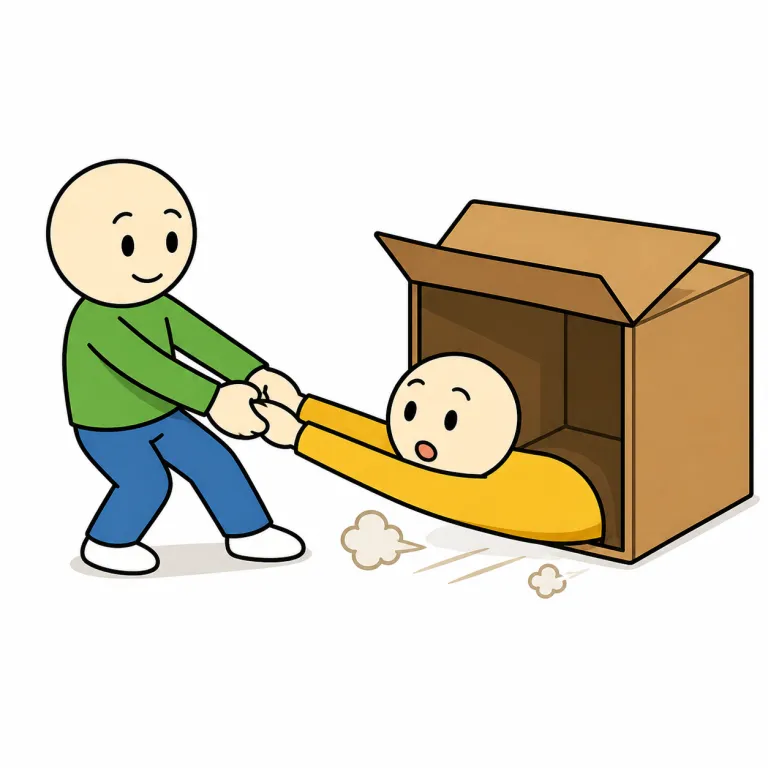
解説 Definition
人や物を中や奥まった場所から、力を使って外へ出すときに使います。自分で簡単には動かせないものを無理に動かす感じがあり、人を連れ出す場面にも物を取り出す場面にも使われます。
To pull a person or object out of an enclosed or hard-to-reach place, usually with force. It suggests that the person or thing cannot or will not move easily.
覚え方のコツ Memory Tip
まず drag を「ずるずる引きずる」で固定すると覚えやすいです。drag out は、中や奥にあるものを out「外へ」ずるずる引っぱり出す感覚で、「引きずり出す」に結びつきます。drag the sofa out of the room, drag him out of the car のように、重い物や動けない人を力で外へ出す場面が定番。別義の「長引かせる」は、話や時間を引っぱる比喩ですが、この語義では物理的な移動が中心。out が付いたら「外へ出す方向」をはっきり見ると混同しにくいです。
Think of drag as pulling something heavily along the ground. Adding out gives the movement a clear direction: from inside to outside.
例文
They had to drag the sofa out of the room.
彼らはそのソファを部屋から引きずり出さなければならなかった。
The firefighters dragged him out of the car.
消防士たちは彼を車から引きずり出した。
She dragged an old box out from under the bed.
彼女はベッドの下から古い箱を引きずり出した。
drag out の類義語・関連語
派生語
紛らわしい語
drag out の語源・成り立ち Etymology
drag は古ノルド語 draga または古英語 dragan「引く」に由来し、さらに「ずるずる引っぱる」という古い語感につながります。drag out は「外へ引き出す」から転じて、話や時間を必要以上に引っぱることを表し、「長引かせる」という意味になりました。関連語は draw, dragnet。
"Drag" comes from Old Norse draga and related Germanic forms meaning "to pull" or "draw." In "drag out," the added "out" gives the sense of pulling something further and further along. That led to the figurative meaning of making speech, time, or an activity last longer than necessary; compare the related English word "draw."
同じレベルの語彙をもっと
英検1級の一覧へ →外部辞書で調べる
この英熟語をクイズで覚えよう