息をのんで言う、あえぎながら言う
verb 動詞驚きや恐怖、息苦しさなどで急に息を吸いながら、または息を切らしながら言葉を発することを表す。『…』と引用した発言を続ける形や、gasp out+言葉の形で使われる。
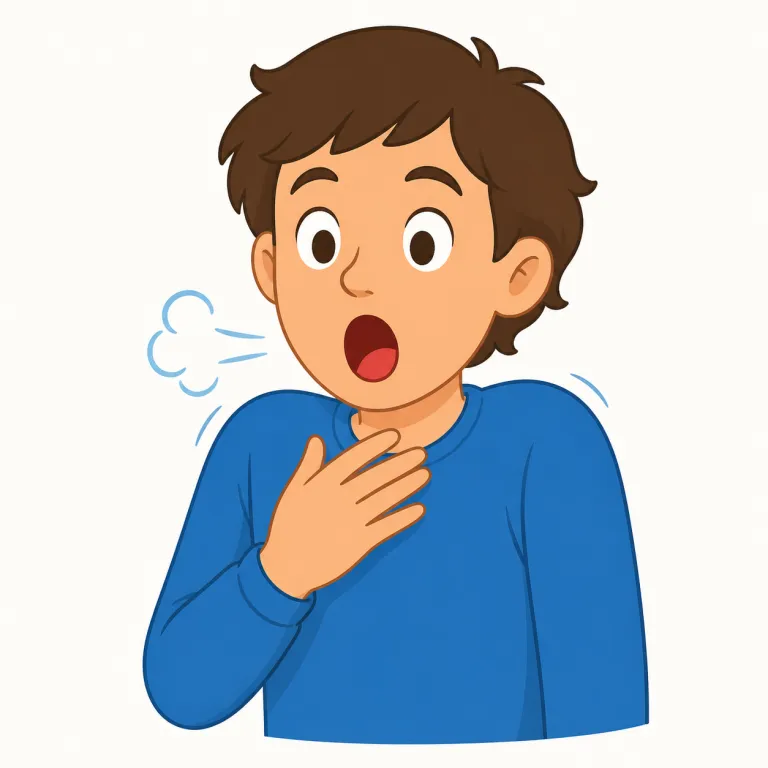
gasp は英検準1級・TOEIC 860・TOEFL 80・IELTS 6.5レベルの英単語で、「息をのむ、あえぐ」という意味があります。発音記号は /ɡæsp/ です。
驚き・恐怖・感動などで思わず息を大きく吸い込むこと、または苦しくて息を切らしながらあえぐことを表す動詞。突然の感情反応にも、運動後や酸欠時の荒い呼吸にも使われ、文脈によって「息をのむ」「あえぐ」のどちらにも訳される。
To gasp means to take a quick, sudden breath in, often with a sound. People gasp when they are surprised, shocked, frightened, or having trouble breathing. It can also describe speaking with difficulty because of strong emotion or lack of air.
gasp は「急に息を吸う」動きを核にすると覚えやすい。ふつうの breathe は単なる呼吸、pant は走った後のハアハア、gasp は驚き・恐怖・痛みで思わず「はっ」と息をのむか、苦しくて空気を求める場面で使う。gasp in surprise, gasp for air が頻出で、前者は感情反応、後者は酸欠気味の切迫感。息を吐くよりまず吸い込む反応だと押さえると、pant や breathe と混同しにくい。
Think of the sudden sound in "gasp": a quick breath in, not a calm breath out. It often appears in strong moments, like `gasp in surprise` or `gasp for air`. Remember it as more sudden and urgent than ordinary `breathe`, and more dramatic than `pant`.
She gasped when her friends surprised her with a party.
友人たちが開いてくれたサプライズパーティーに、彼女は思わず息をのんだ。
The runner gasped for air after crossing the finish line.
ランナーはゴールしたあと、空気を求めてあえいだ。
He gasped in horror when he saw the damage.
被害を目にして、彼は恐怖で息をのんだ。
この語をはじめて出題された 36人 のうち 24人 が正解しました(67%)。
えいたんごクイズの回答から集計した独自データです。1人につき最初に出題されたときの1回だけを数えており、復習や2回目以降の回答、「わからない」と時間切れは含みません。 集計時点は 2026年9月19日 です。
文脈によって、次の意味でも使われます。
驚きや恐怖、息苦しさなどで急に息を吸いながら、または息を切らしながら言葉を発することを表す。『…』と引用した発言を続ける形や、gasp out+言葉の形で使われる。
gasp は中英語 gaspen に由来し、古ノルド語 geispa「口を大きく開ける・あくびする」と関係づけられることが多い。語頭 gas- は息が漏れる音を思わせ、gape や gasping と近く、苦しく空気を求めて口を開く動作がそのまま意味になった。
"Gasp" comes from Middle English "gaspen," and it is often linked to Old Norse "geispa," meaning "to yawn" or "open the mouth wide." The word likely grew from the idea of opening the mouth suddenly to pull in air. It is related in sense to English words like "gape," which also suggest a wide-open mouth.
この英単語をクイズで覚えよう