注意を払い、従う
解説 Definition
注意する(heed)とは、警告や助言などに対して真剣に耳を傾け、それに従って行動することを意味する。誰かの言葉や警告を無視せず、十分に考慮して行動に反映させることを指す。「heed a warning」(警告に注意する)のように使われることが多い。
To heed advice, a warning, or a sign is to give it serious attention and allow it to influence what you do. The verb implies responding appropriately rather than merely hearing or noticing the information.
覚え方のコツ Memory Tip
heed は警告や助言をただ聞くだけでなく、重く受け止めて行動に反映する動詞。「heed advice」「heed a warning」が代表的な組み合わせで、listen to より「従う」含みが強い。過去形・過去分詞は規則変化の heeded /ˈhiːdɪd/。名詞では「take heed of ~」も使う。
Learn heed through the strong combinations heed advice and heed a warning. It means more than simply listening: you take the message seriously and change or guide your actions because of it. Picture sailors hearing a storm warning and immediately returning to port; their response shows that they heeded it. The verb is regular, with heeded /ˈhiːdɪd/ as both the past tense and past participle. Compare listen to, which only describes receiving the words, with heed, which suggests attention followed by an appropriate response. The related noun pattern is take heed of something.
例文
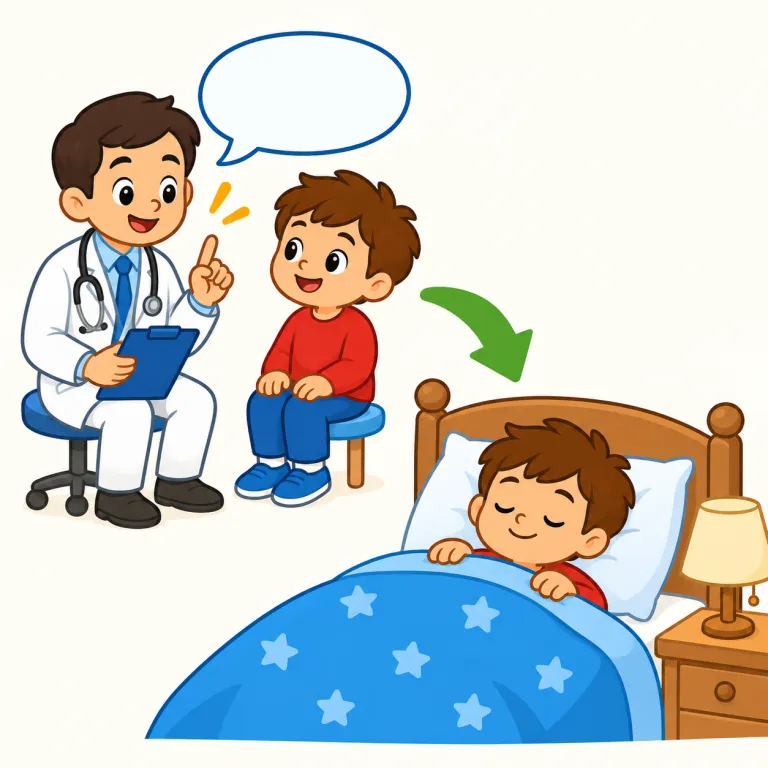
You should heed the doctor's advice and get more rest.
医者のアドバイスに注意して、もっと休息を取るべきだ。
She failed to heed the warning signs and ended up in trouble.
彼女は警告サインに注意を払わず、結局困った状況に陥ってしまった。
The sailors heeded the storm warning and returned to port immediately.
船乗りたちは嵐の警告に注意し、すぐに港に戻った。
heed の類義語・関連語
類義語
派生語
heed の語源・成り立ち Etymology
heedは古英語hedan「気を配る・守る」に由来し、西ゲルマン祖語*hodjanへさかのぼります。もとは「見張る・保護する」感覚なので、ただ見るのでなく「注意して守る」が今のheedの芯です。関連語はheedful, heedless。
Heed comes from Old English hēdan, meaning “to observe,” “take care,” or “guard.” It belongs to the Germanic layer of English vocabulary and has long expressed attentive concern. Its meaning developed into the modern idea of paying serious attention to advice, signs, or warnings. The related forms heedful and heedless preserve the contrast between careful attention and a lack of it.
同じレベルの語彙をもっと
外部辞書で調べる
この英単語をクイズで覚えよう