意味一覧 (2件)
課す
解説 Definition
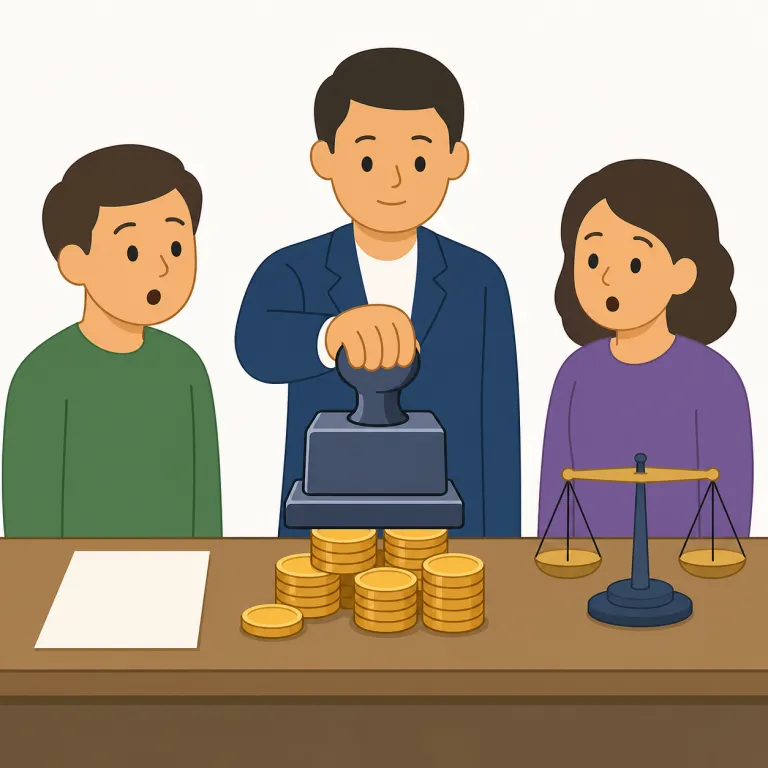
levy が動詞のときは、税金・手数料・罰金などを公的に「課す」という意味で使われます。すでに決められたお金を集めるというより、まず負担や支払い義務を設定する場面でよく用いられます。
To officially impose a tax, fee, or fine on someone or something. It emphasizes establishing a payment obligation, especially by an authority.
覚え方のコツ Memory Tip
levy はまず定型句 levy a tax / levy charges で覚えると定着しやすい語です。単なる collect「集める」より、公的機関が正式に「課して徴収する」感じが強く、impose と collect が一つになったような動詞だと捉えるとよいです。be levied on imports の形も頻出。tax, fee, fine など“公的にお金を取る場面”と結び付けると、日常的な pay や buy と混同しにくく、名詞の a levy「課税・徴収金」にも自然につながります。
Learn levy a tax and levy charges as fixed phrases. Picture an authority formally announcing what people must pay, and remember the pattern be levied on imports.
例文
The government plans to levy a new tax on luxury goods.
政府は高級品に新しい税を課す計画だ。
The city may levy fines on companies that break the rule.
市はその規則を破る企業に罰金を課すかもしれない。
The school decided not to levy extra fees this year.
学校は今年追加料金を課さないと決めた。
徴収する
/ noun 名詞 徴収金 (意味 2)

解説 Definition
levy が「徴収する」と訳される場合は、政府や公的機関などが法的な権限に基づき、税金・料金・通行料などを取り立てる場面を表します。levy には支払いを公的に「課す」という意味もあり、賦課と徴収が一連の手続きとして重なる文脈もありますが、この語義では金銭を実際に受け取る時点や方法に焦点を置きます。
To levy means to officially demand or collect a tax, fee, fine, or other payment. It is mainly used in legal, financial, and government contexts. The subject is usually an authority such as a government, court, or organization.
覚え方のコツ Memory Tip
政府や公的機関が、権限に基づいて税金・料金などを取り立てる場面を思い浮かべる。levy a toll や levy a fee の形が典型で、受け身の be levied なら「料金が徴収される」となる。「課す」の意味もあるが、ここでは門や取引時に実際に金銭を徴収する点に注目する。
Remember `levy` through fixed phrases like `levy a tax` or `levy charges`. It is not just `collect`; it has the feeling of officially imposing and then collecting money. That is why it often appears in government or legal contexts.
例文
A ten-dollar toll is levied at the gate before entry.
入場前に、門で10ドルの通行料が徴収される。
The fee is levied automatically when the transaction is completed.
その手数料は取引の完了時に自動的に徴収される。
The local authority levies the charge in monthly installments.
地方自治体はその料金を毎月の分割払いで徴収している。
levy の類義語・関連語
類義語
対義語
派生語
紛らわしい語
levy の語源・成り立ち Etymology
levy は古フランス語 lever を経て、ラテン語 levare「持ち上げる・集める」にさかのぼります。もともと「人や金を呼び起こして集める」感覚から「税を徴収する」になりました。関連語は elevate, relief です。
The word comes through Old French lever from Latin levare, meaning to lift or raise. The idea of raising people or money developed into its use for taxation.
同じレベルの語彙をもっと
外部辞書で調べる
この英単語をクイズで覚えよう