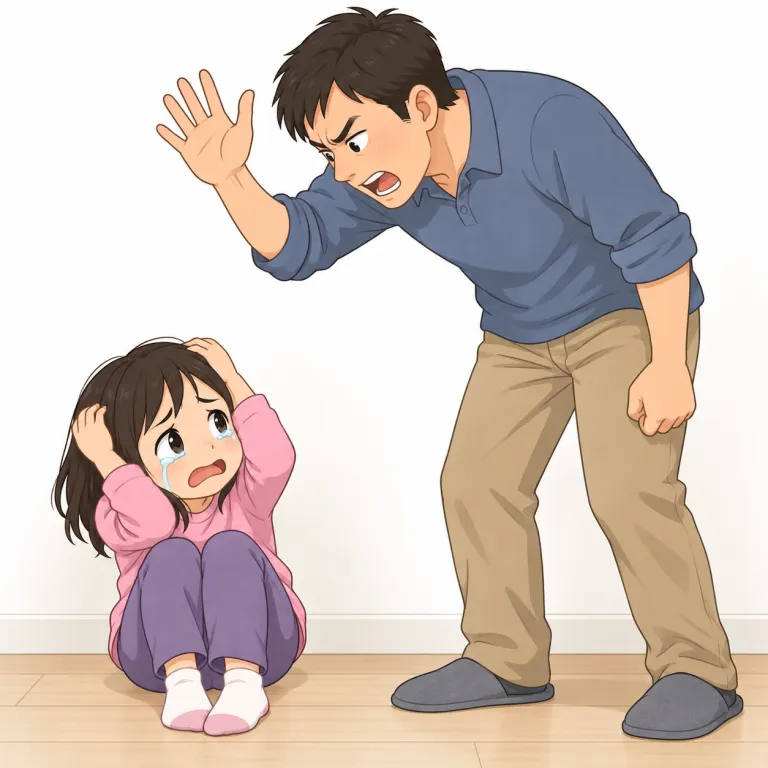
maltreatment
maltreatment はTOEIC 990・TOEFL 100・IELTS 7.5レベルの英単語で、「虐待」という意味があります。発音記号は /ˌmælˈtriːtmənt/ です。
虐待
解説 Definition
人に対して残酷で不適切な扱いをすること。身体的、精神的、または感情的な虐待を含みます。
Maltreatment means cruel, violent, or unfair treatment of a person or animal. It is commonly used when talking about abuse, neglect, or serious harm in homes, workplaces, or institutions. The word has a strong negative meaning and is often used in formal reports or legal contexts.
覚え方のコツ Memory Tip
treatment「扱い・治療」を知っていれば、maltreatment はその前に mal- が付いて「悪い扱い」とまとめて覚えやすい。mal- は malfunction, maladjusted などでも「悪い・不十分」の合図。abuse に近いが、abuse が加害行為そのものを強く示しやすいのに対し、maltreatment は「ひどい扱いを受けること」全般をやや客観的に述べる語。child maltreatment, animal maltreatment の形で固めると残りやすい。
Start from `treatment`, which means the way someone is treated. Add `mal-`, a common prefix meaning bad or wrong, and you get the idea of bad treatment. It often appears in phrases like `child maltreatment` or `animal maltreatment`, so learn those as ready-made chunks.
例文
Child maltreatment is a serious crime that can have lifelong psychological effects.
児童虐待は生涯にわたる心理的影響を与える可能性のある深刻な犯罪である。
The animal welfare organization investigates cases of animal maltreatment.
その動物福祉団体は動物虐待の事例を調査している。
People who suffer maltreatment at work often experience anxiety and depression.
職場でひどい扱いを受けた人は、しばしば不安や抑うつを経験する。
maltreatment の類義語・関連語
maltreatment の語源・成り立ち Etymology
maltreatment は mal-「悪く」+ treat「扱う」+ -ment「こと」から成る。treat はラテン語 tractare「扱う」にさかのぼり、語全体で「人をひどく扱うこと」を表す。treatment や tractable も同じ tract 系で、意味の芯は「扱う」。
Maltreatment was formed from the prefix mal- meaning "badly," treat, and the noun ending -ment. Treat came through French from Latin tractare, meaning "to handle" or "deal with." The word originally meant the act of dealing with someone badly, and it still keeps that idea. Related English words include treatment and tractable.
この意味を学べる単語帳
maltreatment の収録語義を確認して、まとめて学べる単語帳を選べます。
-
収録語義:虐待
作成者:金子竜平
同じレベルの語彙をもっと
TOEIC 990の一覧へ →外部辞書で調べる
この英単語をクイズで覚えよう