
masculine
masculine はTOEIC 990・TOEFL 100・IELTS 7.5レベルの英単語で、「男性的な、男性形の、男性名詞の」という意味があります。発音記号は /ˈmæskjələn/ です。
意味一覧 (2件)
男性的な
解説 Definition
男性的とは、男性に特有の、あるいは男性らしさに関することを表します。男性的な特徴や性質を示すことを意味します。
Masculine describes qualities, appearance, or behavior that are traditionally associated with men. It is often used for style, facial features, voice, or energy. The word can describe people, clothing, design, or manner, and it does not always mean biologically male.
覚え方のコツ Memory Tip
male を知っていれば、masculine は「男性そのもの」より一歩広く、「男性らしい特徴・雰囲気・性質」を表す形容詞として覚えると定着しやすいです。単に性別を言うなら male、声・体つき・服装・文体などが男性的なら masculine。a masculine voice, a masculine style の形でよく出ます。反対語 feminine とセットで覚えるのが基本。masculinity も同じ語族です。なお muscular は「筋肉質な」で別物なので混同注意。
Think of `male`, then make it wider: `masculine` is not just about sex, but about a male-like look, voice, or style. Learn it with `feminine` as a pair. Be careful not to mix it with `muscular`, which is about muscles.
例文
He has a deep, masculine voice.
彼は低く男性的な声をしている。
The room had dark colors and a masculine design.
その部屋は暗い色を使った男性的なデザインだった。
That culture saw strength as a masculine quality.
その文化では、強さは男性的な性質と考えられていた。
男性形の、男性名詞の
(意味 2)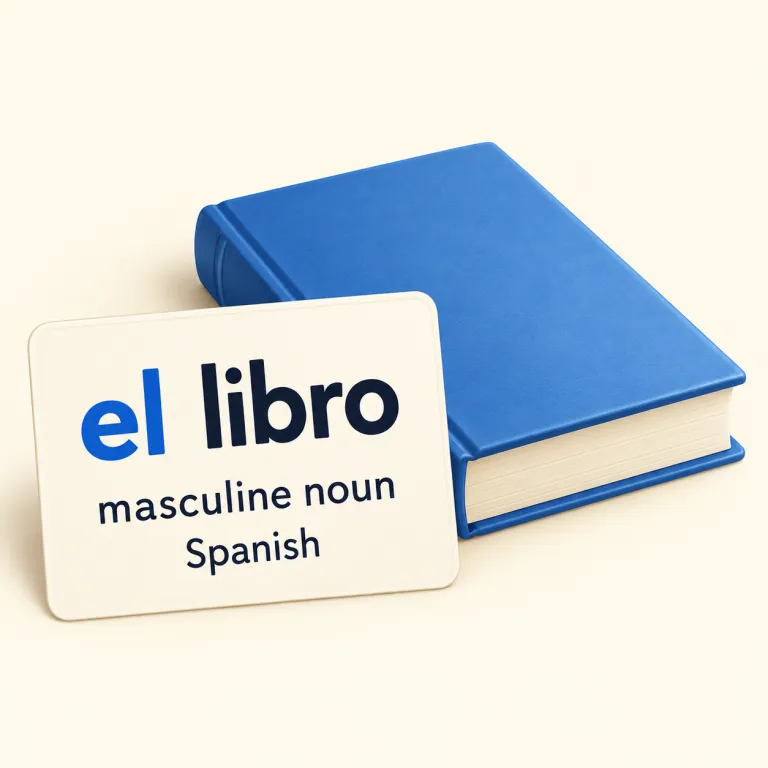
解説 Definition
文法で、名詞や形容詞などが男性の性に属することを表す語です。スペイン語やフランス語など、文法性を持つ言語の説明でよく使われ、性格や見た目が男性的だという意味とは区別して使います。辞書や文法書では masculine noun のような形で現れることが多いです。
Belonging to the grammatical gender category traditionally associated with males. It describes nouns and related word forms in languages such as Spanish and French, including words for objects with no biological sex.
覚え方のコツ Memory Tip
masculine は「男性的な」と覚えがちですが、文法では「男性という文法カテゴリーに属する」と切り分けるのが大切です。Spanish の libro が masculine noun と言われても、本が男らしいわけではなく、語形変化や冠詞の組み合わせで男性名詞として扱われるということ。feminine noun と対にして、masculine form, masculine ending の形で覚えると定着します。
Think of masculine as a grammar label that affects articles and word endings. A Spanish book is libro, a masculine noun, because of how the word behaves grammatically. Learn masculine noun and masculine form alongside feminine noun and feminine form.
例文
In Spanish, "libro" is a masculine noun.
スペイン語では libro は男性名詞だ。
The adjective changes its ending in the masculine form.
その形容詞は男性形では語尾が変わる。
Our teacher marked this word as masculine in the grammar chart.
先生は文法表でこの語を男性形として示した。
masculine の類義語・関連語
masculine の語源・成り立ち Etymology
masculine は古フランス語 masculin を経て、ラテン語 masculinus「男性の」から来た語です。語根は masculus(男らしい男)で、masculinity や emasculate と同根だから、「男性に属する・男らしい」という意味がそのまま見えてきます。
Masculine came into English through Old French from Latin masculinus, meaning "male" or "of men." It is built on Latin masculus, meaning "male" or "manly male." The sense stayed close to the original idea of being connected with men or male sex. Related English words include masculinity and emasculate.
同じレベルの語彙をもっと
TOEIC 990の一覧へ →外部辞書で調べる
この英単語をクイズで覚えよう