moan
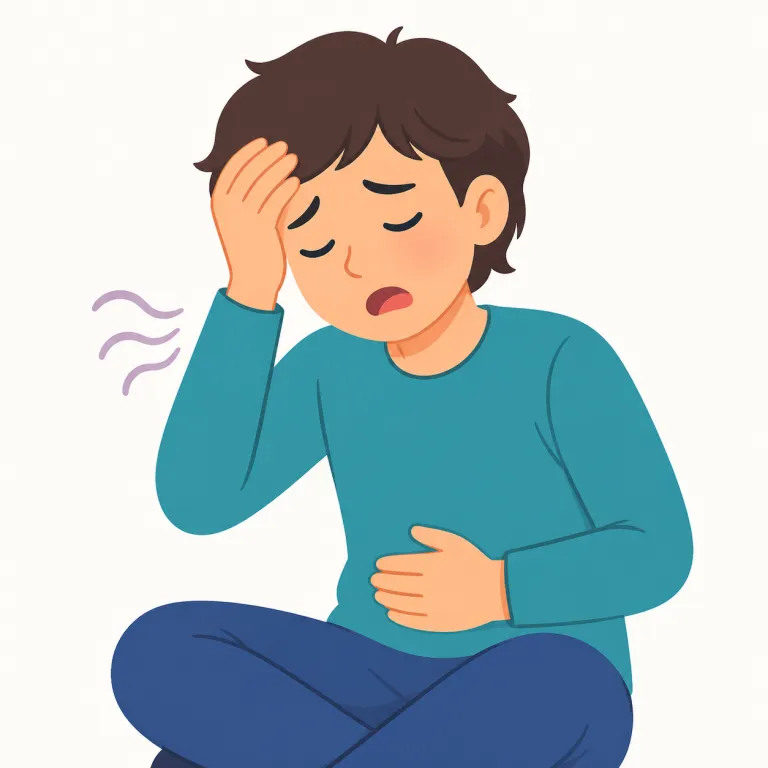
moan は英検準1級レベルの英単語で、「うめく、うめき声、不平」という意味があります。発音記号は /moʊn/ です。
意味一覧 (2件)
うめく
/ noun 名詞 うめき声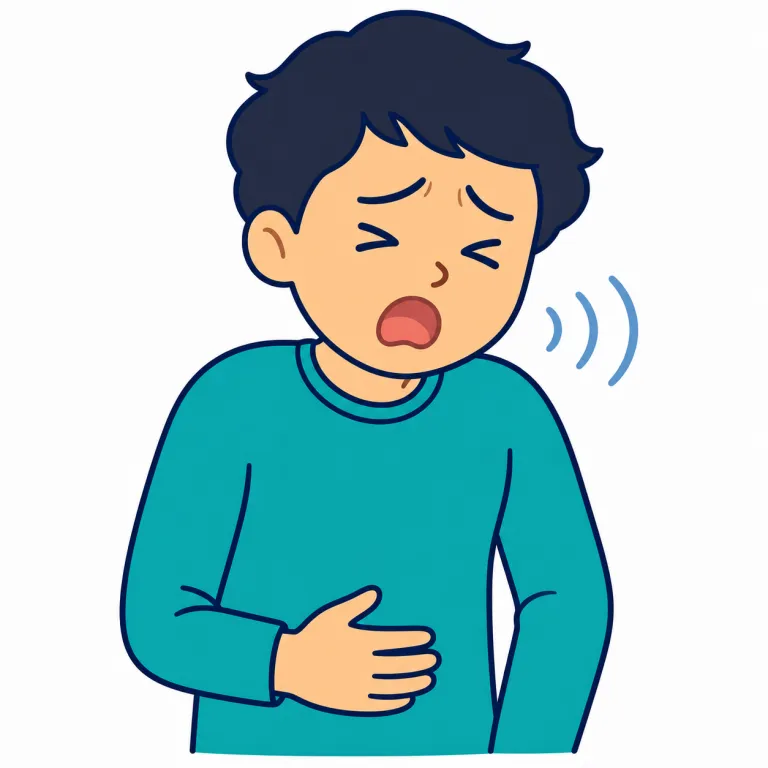
解説 Definition
痛みや苦しさ、つらさのために、低く長い声を出すことを表します。はっきりした言葉ではなく、「うーん」ともれるような声を出す感じです。
To make a low, long sound because of pain, illness, or sadness. The sound is not clear speech.
覚え方のコツ Memory Tip
moan は、痛みや苦しさで「うーん」と低く長い声が思わず漏れる場面に固定すると覚えやすい語です。shout のように大声で叫ぶのでも、cry のように泣くのでもなく、はっきりした言葉にならない声を出すのが中心です。moan softly、moan in pain、lie in bed and moan の形で覚えましょう。けが人が横たわり、声を張る力もなく、苦痛の声だけを漏らしている映像を浮かべると、「うめく」という語義を他の意味と混同しにくくなります。
The oa in moan can remind you of a low “oh” sound. Think of someone making that sound when they are in pain.
例文
The injured man moaned softly.
けがをした男性は小さくうめきました。
She moaned in pain after bumping her knee.
彼女はひざをぶつけて痛みでうめきました。
He lay in bed and moaned because he felt sick.
彼は気分が悪くて、ベッドに横になってうめいていました。
不平
(意味 2)
解説 Definition
moan の名詞用法では、状況や相手への不満を口にした言葉や、そのような愚痴を表す。日常会話でよく使われ、深刻な正式苦情というより、繰り返し漏らす文句やぼやきという軽い響きを持つことが多い。職場や家庭、サービスへの不満などに広く使える。
An informal expression of dissatisfaction about a situation or person, chiefly in British English. It usually refers to a grumble or minor complaint rather than a serious formal complaint.
覚え方のコツ Memory Tip
moan は、名詞では不満をこぼす「不平・ぼやき」として覚えるとよいです。何度も「もう…」と文句を言う声を思い浮かべると、軽い不満を口にする感じにつながります。a moan about the weather のように、about を添えて「〜についての不平」とセットで覚えると使いやすいです。うめき声の意味もありますが、ここでは相手や状況への文句に焦点を置きます。
Picture someone repeatedly voicing dissatisfaction in a low, unhappy tone. Learn the pattern “a moan about something” for an informal complaint, while keeping this sense separate from the meaning of a sound made in pain.
例文
The customer's moan was about the long wait.
その客の不平は待ち時間の長さについてだった。
We heard the usual moan about the weather.
私たちは天気についてのいつもの愚痴を聞いた。
He had a moan about the new office schedule.
彼は新しい勤務予定について不平を口にした。
moan の類義語・関連語
類義語
対義語
紛らわしい語
moan の語源・成り立ち Etymology
中英語の monen に由来し、「悲しむ、嘆く」という意味で使われていました。さらに古い英語の「嘆く」を表す語と関係があると考えられています。
Moan comes from Middle English monen, meaning “to mourn” or “to lament.” It is probably related to an older English word for lamenting.
同じレベルの語彙をもっと
英検準1級の一覧へ →外部辞書で調べる
この英単語をクイズで覚えよう