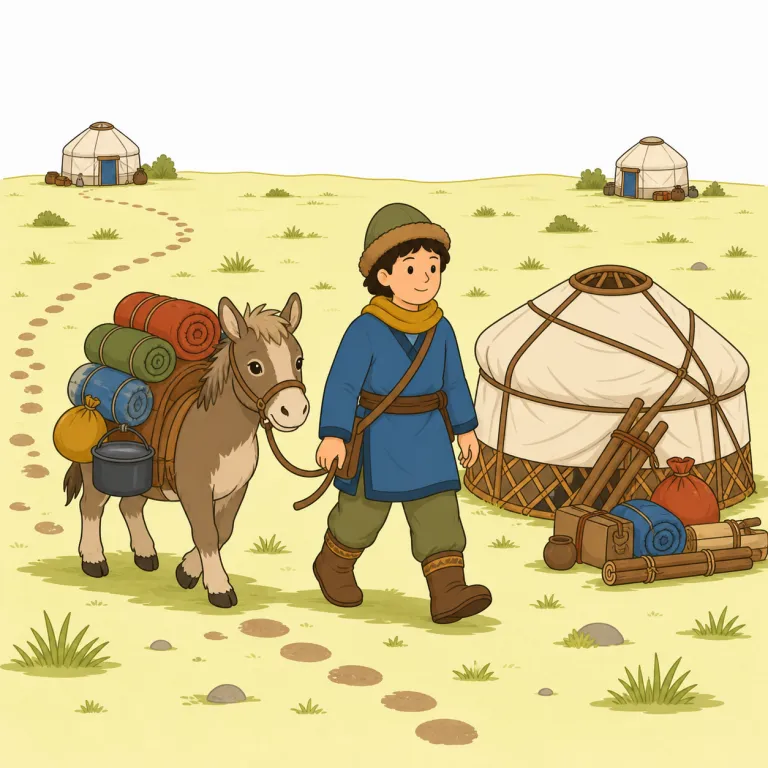
nomadic
nomadic は英検1級レベルの英単語で、「遊牧の、移動生活の」という意味があります。発音記号は /noʊˈmædɪk/ です。
遊牧の、移動生活の
解説 Definition
一定の場所に定住せず、仕事や暮らしの都合で各地を移動しながら生活する様子を表す。もともとは遊牧民のような移動生活を指すことが多いが、現代では長く一か所にとどまらない暮らし方や働き方にも使われる。人や文化、生活様式の説明によく使う。
If people are nomadic, they move from place to place instead of living in one permanent home. The word is often used for traditional groups who travel for food, animals, or seasonal work, but it can also describe a modern mobile lifestyle.
覚え方のコツ Memory Tip
核になるのは nomad「遊牧民」。まず名詞 nomad を押さえ、形容詞化する -ic が付いた nomadic は「遊牧民のように定住しない」と取ると覚えやすいです。mobile が単に「動ける」、migratory が鳥や動物の季節移動にも使われるのに対し、nomadic は生活や働き方そのものが拠点不定という響き。digital nomad, a nomadic lifestyle, nomadic people のような定番の組み合わせで入れると、昔の遊牧から現代の移動型ライフスタイルまで一本でつながります。
First remember `nomad`, then add `-ic` to make the adjective `nomadic`. The core image is a life without one fixed base. Phrases like `nomadic lifestyle` and `digital nomad` make the word easier to keep in memory.
例文
The nomadic tribes moved across the desert following their herds.
その遊牧生活を送る部族は、家畜の群れを追って砂漠を移動した。
His nomadic lifestyle meant he rarely stayed in one place for long.
彼は移動生活を送っていたので、一つの場所に長くとどまることはほとんどなかった。
The nomadic community had adapted to living in harsh environments.
その移動生活を送る共同体は、厳しい環境で暮らすことに適応していた。
nomadic の類義語・関連語
類義語
派生語
nomadic の語源・成り立ち Etymology
nomadic は nomad + -ic からなり、nomad はギリシャ語 nomas「牧草地を求めて歩き回る人」に由来します。もとは nemein「牧する」にさかのぼり、「定住せず移動する暮らし」がそのまま語義になりました。関連語は nomad、nomadism。
Nomadic comes from nomad, which comes from Greek nomas, meaning a person who wanders in search of pasture. It goes back to a root meaning "to graze" or "to pasture animals." The idea of moving with herds then widened into the broader sense of living without a fixed home.
同じレベルの語彙をもっと
英検1級の一覧へ →外部辞書で調べる
この英単語をクイズで覚えよう