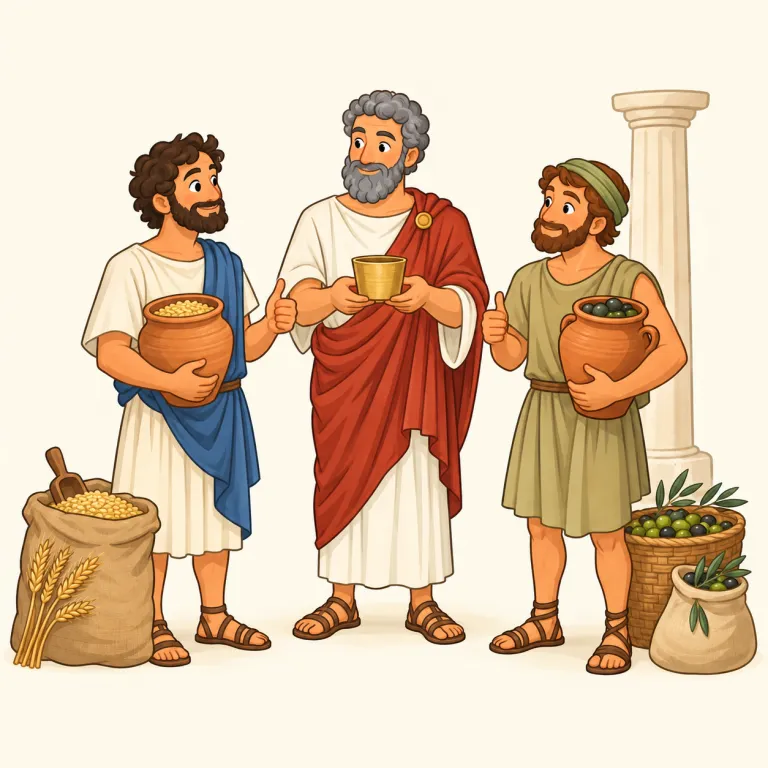
法・慣習(ギリシャ)
解説 Definition
古代ギリシャの習慣法、あるいは社会的規範。文化的慣習の一般的な法則。
Nomos is an ancient Greek word meaning law, custom, or the accepted way people live in a society. It can refer both to formal rules and to social traditions. This word is mostly used in philosophy, history, and discussions of classical Greek thought.
覚え方のコツ Memory Tip
抽象的に「法」とだけ覚えるより、「その社会では何が当たり前かを決める見えないルール」と捉えると残りやすい語です。成文法より、共同体の慣習・規範まで含むのがポイント。autonomy の -nomy や anomie と同じ語群だと意識すると、nomos は“社会を秩序立てる基準”の核だと整理できます。哲学・人類学では「文化ごとのルール感覚」を語る場面で出やすい語です。
Link `nomos` to words like `autonomy` and `anomie`, which come from the same word family about rules and social order. It is easier to remember if you think of it as the hidden rules a society lives by, not only written law. This word often appears in philosophy or anthropology.
例文
Nomos governed social behavior in ancient societies.
ノモスは古代社会での人々の行動を規定していました。
Philosophers debated whether nomos or nature (physis) determines human behavior.
哲学者はノモスと自然(フュシス)のどちらが人間の行動を決定するかについて議論しました。
Nomos refers to laws and customs that vary across cultures and eras.
ノモスとは、文化や時代によって異なる法や慣習を指します。
nomos の類義語・関連語
nomos の語源・成り立ち Etymology
nomosはギリシャ語nomos「法・慣習」に由来し、さらにnemein「割り当てる・配分する」にさかのぼる。共同体で何が誰に許されるかを「割り振る」ことが、そのまま法や慣習になると考えると意味がつながる。関連語はautonomy、anomie。
Nomos comes from Greek nomos, meaning "law" or "custom." It goes back to the verb nemein, meaning "to divide" or "to assign." The idea is that law is what a society "assigns" or "distributes" as proper order. Related English words from the same root include autonomy and anomie.
同じレベルの語彙をもっと
外部辞書で調べる
この英単語をクイズで覚えよう