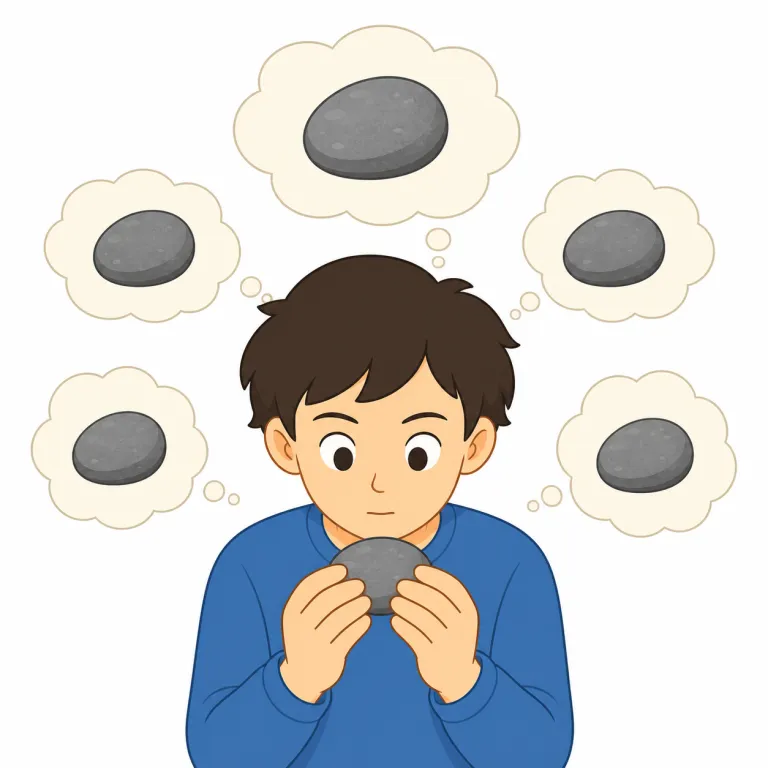
obsess
obsess は英検1級・TOEIC 860・TOEFL 80・IELTS 6.5レベルの英単語で、「執着する、取りつく」という意味があります。発音記号は /əbˈsɛs/ です。
意味一覧 (2件)
執着する
解説 Definition
何かのことばかり考えたり、一つのことに病的に夢中になったりする。対象に強く執着する状態。
To obsess means to think about something so much that it takes over your attention. It is usually used when the focus is too strong or unhealthy, especially about a person, idea, or problem.
覚え方のコツ Memory Tip
obsess は「ある物事が頭の中を占領して、そこから離れない」と捉えると覚えやすい語です。単なる like や be interested in よりはるかに強く、気になりすぎて何度も戻って考えてしまう感じ。名詞 obsession、形容詞 obsessed も一緒に覚えると定着します。be obsessed with A、obsess over A が頻出で、「好き」より「執着してしまう」に近い。focus や concentrate のような前向きな集中とは違い、やや不健全さや病的なニュアンスを含みやすい点に注意。
Think of something taking over your mind and not letting go. `Obsess` is much stronger than `like` or `be interested in`, and it often sounds unhealthy. Learn the family too: `obsession`, `obsessed`, and common patterns like `be obsessed with` and `obsess over`.
例文
He tends to obsess about his work performance.
彼は自分の仕事ぶりを気にしすぎる傾向があります。
Don't obsess over small mistakes; focus on the bigger picture.
小さなミスにこだわりすぎないでください。もっと大局に目を向けてください。
She obsesses about her appearance every morning.
彼女は毎朝、自分の見た目を気にしすぎています。
取りつく
(意味 2)
解説 Definition
考え、不安、記憶、欲望などが人の心を強く支配し、頭から離れなくさせることを表す。他動詞として使われることが多く、本人の意思では振り払えないほど気持ちを占めるニュアンスがある。
To occupy someone's mind so completely that they cannot stop thinking about a particular idea, fear, memory, or desire. The thought feels difficult to control or dismiss and often has an unhealthy intensity.
例文
The idea obsessed him for weeks.
その考えが何週間も彼の頭に取りついていた。
She was obsessed by the fear of failure.
彼女は失敗への恐れに取りつかれていた。
A single question obsessed me all night.
たった一つの疑問が一晩中私の頭から離れなかった。
obsess の類義語・関連語
obsess の語源・成り立ち Etymology
obsessはラテン語obsidere「包囲する」に由来し、ob-「向かって」+ sedere「座る」と分けられます。もとは「何かが心の前に居座る」感覚なので執着する意になり、obsessionやsedentaryにも同じ核が見えます。
Obsess comes from Latin obsidere, meaning "to besiege" or "to sit before." It combines ob-, "toward" or "against," with sedere, "to sit." The sense moved from being surrounded from the outside to having something stay fixed in the mind and take control of it. Related words include obsession, and sedere also appears in words like sedentary.
同じレベルの語彙をもっと
英検1級の一覧へ →外部辞書で調べる
この英単語をクイズで覚えよう