owe
owe は英検2級・TOEIC 730・TOEFL 60・IELTS 5.5レベルの英単語で、「〜に負っている、〜に借りがある、借りている」という意味があります。発音記号は /oʊ/ です。
意味一覧 (2件)
〜に負っている、〜に借りがある
解説 Definition
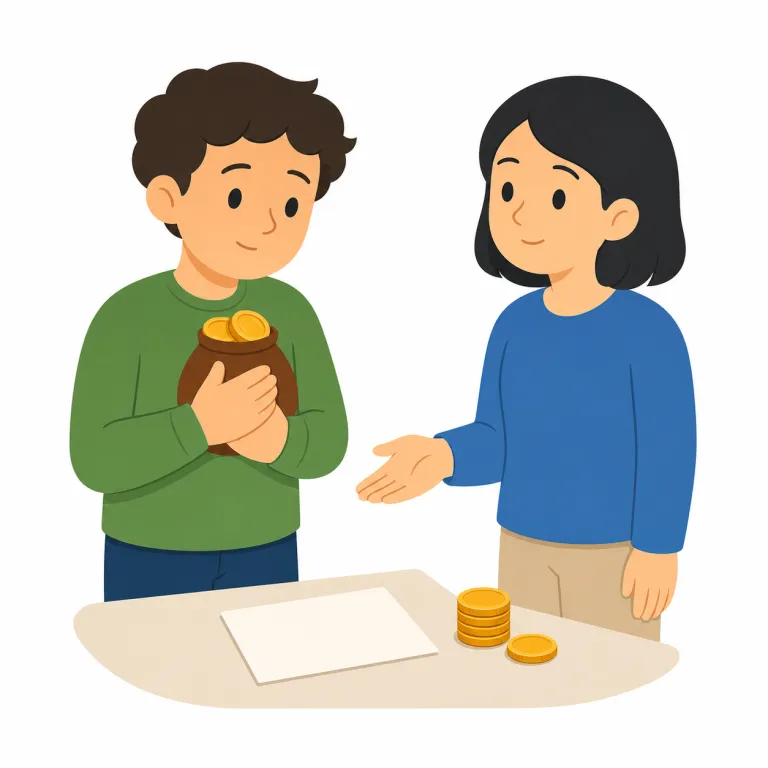
owe は、金銭を返す義務があることや、成功・結果が誰かや何かのおかげだと認めることを表す動詞。借金があるという具体的な意味でも、恩義を感じる、ある成果を特定の支援や原因に負っているという比喩的な意味でも使われる。
To have to pay someone because you borrowed money or received something. It can also mean that one thing happens because of another, or that you feel gratitude toward someone. The exact meaning depends on the object that follows the verb.
覚え方のコツ Memory Tip
owe は「相手に対して、まだ返すべきもの・認めるべきものが残っている」とまとめると覚えやすい語です。money なら I owe you $10. で「10ドル借りがある」。そこから意味が広がって I owe my success to her. なら「成功は彼女のおかげだ」。borrow は“借りる行為”、lend は“貸す行為”で、owe はその結果として残る義務や負い目に焦点があります。I owe you. は金銭にも恩義にも使える定番表現として押さえると記憶に残ります。
Think of "owe" as something still remaining between you and another person. With money, it is easy: "I owe you $10." The same idea extends to thanks or success, as in "I owe my success to her," so the word is about an unfinished duty or debt.
例文
I owe my success to my teacher.
私は自分の成功を先生に負っている。
We owe this chance to their help.
この機会を得られたのは彼らの助けのおかげです。
She still owes me twenty dollars.
彼女はまだ私に20ドル借りている。
えいたんごクイズでの正答率
この語をはじめて出題された 33人 のうち 25人 が正解しました(76%)。
えいたんごクイズの回答から集計した独自データです。1人につき最初に出題されたときの1回だけを数えており、復習や2回目以降の回答、「わからない」と時間切れは含みません。 集計時点は 2026年9月19日 です。
借りている
(意味 2)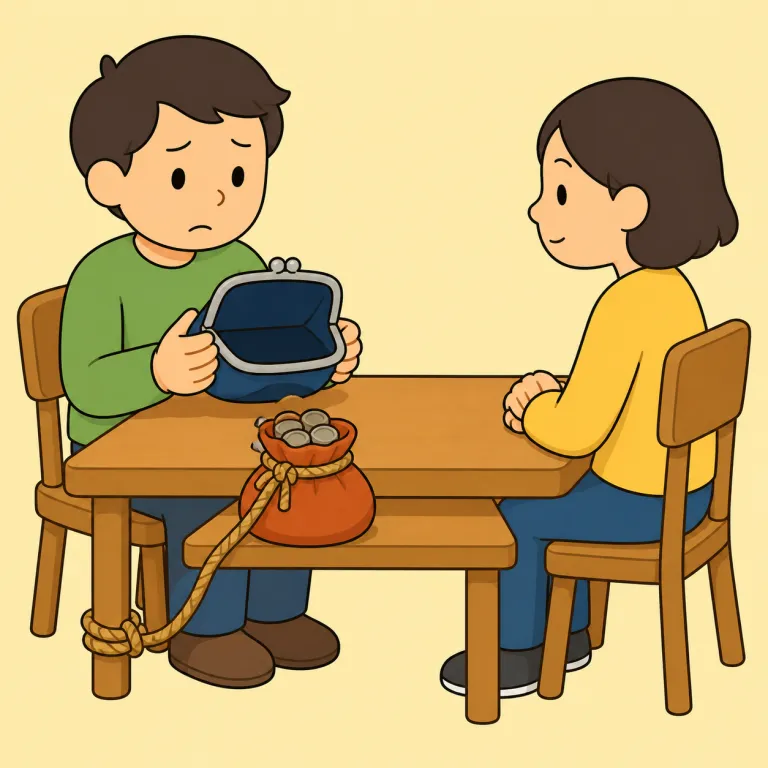
解説 Definition
お金や代金、税金などをまだ相手に支払っておらず、その額を払う義務があるときに使う。人への恩義を表す意味ではなく、金銭的な未払い・借金を述べる用法である。会話では owe someone money や How much do I owe you? の形でよく出る。
To have an obligation to pay someone money that has not yet been paid. This can involve a loan, a bill, a purchase, or unpaid taxes.
例文
I still owe my friend 5,000 yen.
私は友人にまだ5000円借りている。
How much do I owe you for dinner?
夕食代はいくらお支払いする必要がありますか。
The company owes taxes from last year.
その会社は昨年分の税金をまだ納めていない。
owe の類義語・関連語
owe の語源・成り立ち Etymology
古英語 āgan(所有する)が起源で、元は「自分のものとして持つ」意味だった。語根は印欧語 *aik-(持つ)に遡る。own(所有する)と同根語。「本来は所有の意味→誰かに借りがある→おかげを被っている」と意味が変遷した。
"Owe" comes from Old English agan, which originally meant "to possess" or "to own." It is closely related to "own," and both go back to an old root meaning "to have" or "to hold." The meaning later shifted from having something as your property to having a duty, debt, or obligation because of it. That is how the modern sense developed.
同じレベルの語彙をもっと
英検2級の一覧へ →外部辞書で調べる
この英単語をクイズで覚えよう