ペース
解説 Definition
pace は、歩く速さや物事が進む速さという意味です。日本語の「ペース」と近いですが、英語では人の歩調や仕事・学習の進み具合にも広く使われます。
The speed at which someone walks, runs, works, learns, or at which an activity or process develops. It can also refer more specifically to a person’s rate of stepping or movement.
覚え方のコツ Memory Tip
pace の出発点は「一歩」で、そこから一歩ごとの進み方、さらに歩行・授業・仕事などの「進む速さ」を表すようになりました。at a slow pace「ゆっくりした速度で」、keep the same pace「同じ歩調を保つ」、set the pace「先頭で速さを決める」を一組で覚えると実用的です。
Remember pace through the image of one step following another. The word originally referred to a step, and the spacing and timing of repeated steps naturally suggest speed. From walking, extend the same idea to lessons, work, stories, and social change: each can move at a slow, steady, or rapid pace. Learn the common combinations at a good pace, keep the same pace, and set the pace. Unlike speed, which often emphasizes a measured rate, pace frequently presents progress as something experienced and maintained over time.
例文
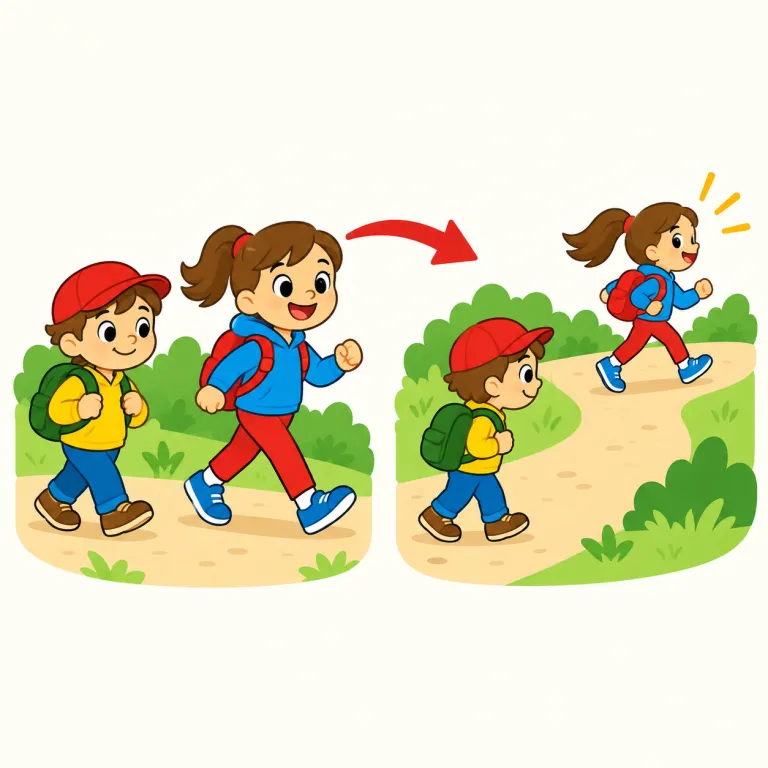
Please walk at a slower pace.
もう少しゆっくりしたペースで歩いてください。
The class moved at a good pace.
授業はちょうどよいペースで進みました。
He kept the same pace for ten minutes.
彼は10分間同じペースを保ちました。
pace の類義語・関連語
pace の語源・成り立ち Etymology
ラテン語 passus(一歩)から。pandere(広げる)が語根で、足を一歩広げる動作を指した。passage(通行)や compass(範囲)と同根。一歩一歩の幅が「速度・ペース」の意味に発展した。
Pace came into English through Old French pas, meaning a step or passage, from Latin passus, “step” or “pace.” Passus is historically associated with pandere, “to spread or extend,” reflecting the extension of the legs in taking a step. The word first referred to a single step or its length, then developed senses involving manner of walking and, more generally, the rate at which movement, work, learning, or events proceed.
同じレベルの語彙をもっと
外部辞書で調べる
この英単語をクイズで覚えよう