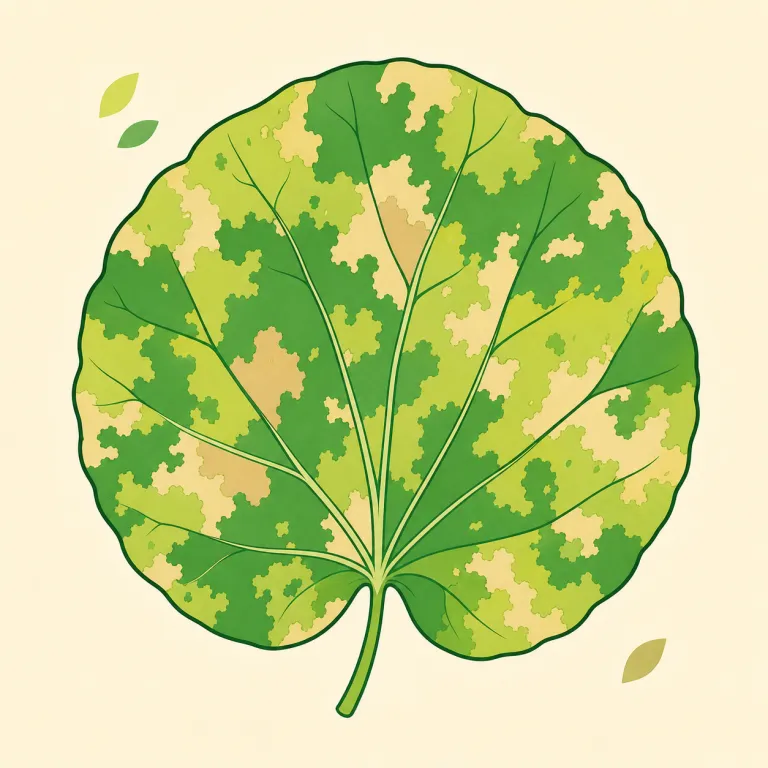
まだらな、ムラのある
解説 Definition
一部に偏りがあって全体が均一でない様子を表す形容詞。物の表面や色がまだらである場合にも、知識・成果・通信状態などが部分的で不十分、むらがあるという抽象的な意味でも使われる。
Patchy means uneven, incomplete, or happening in some places but not others. It can describe physical patterns, like hair or clouds, and also things like work, memory, or internet connection. The word suggests a lack of consistency or smooth coverage.
覚え方のコツ Memory Tip
patch を「小さな断片・一部分」として押さえると覚えやすいです。-y は sunny などと同じく「〜がちな/〜のある」。つまり patchy は「部分ごとに patch がある=全体が均一でない」状態。色や模様なら“まだら”、知識・記憶・通信状態なら“ところどころ欠けてムラがある”へ自然に広がります。patchy rain, patchy coverage, patchy memory のように、完全にゼロではないが、つながり方や現れ方が uneven な場面でよく使います。spotty と近いものの、patchy は面でまだらに分布する感じが強めです。
Start with `patch`, meaning a small area or piece, then add `-y`, which means “full of” or “having.” So `patchy` suggests something made of uneven parts instead of one smooth whole. That works for weather, memory, signal, or color: some parts are there, some are missing.
例文
The patchy coverage of the paint revealed the old surface underneath.
ペンキの塗り方にムラがあり、下の古い表面が見えていた。
The lawn had patchy areas where the grass failed to grow.
その芝生には、草が生えずまだらになっている部分があった。
His knowledge of the subject was patchy, with significant gaps.
その分野に関する彼の知識はムラがあり、大きな抜けがあった。
patchy の類義語・関連語
patchy の語源・成り立ち Etymology
patchy は patch+-y。patch は中英語 patch「つぎ当て、布切れ」に由来し、語源は古フランス語系と考えられ、-y は「…のある」を表します。つぎ当てだらけの見た目から、「まだらの」「むらのある」へ意味が広がりました。関連語は patched, patchwork。
Patchy comes from `patch` plus `-y`, meaning "having" or "full of." `Patch` is an old word from Middle English, probably from Old French, and originally referred to a piece of cloth used to mend something. From the look of something covered in separate patches, `patchy` developed the wider sense of being uneven, spotted, or irregular; compare `patched` and `patchwork`.
同じレベルの英単語をもっと
外部辞書で調べる
この単語を英単語クイズで覚えよう