意味一覧 (2件)
顔つき、人相
解説 Definition
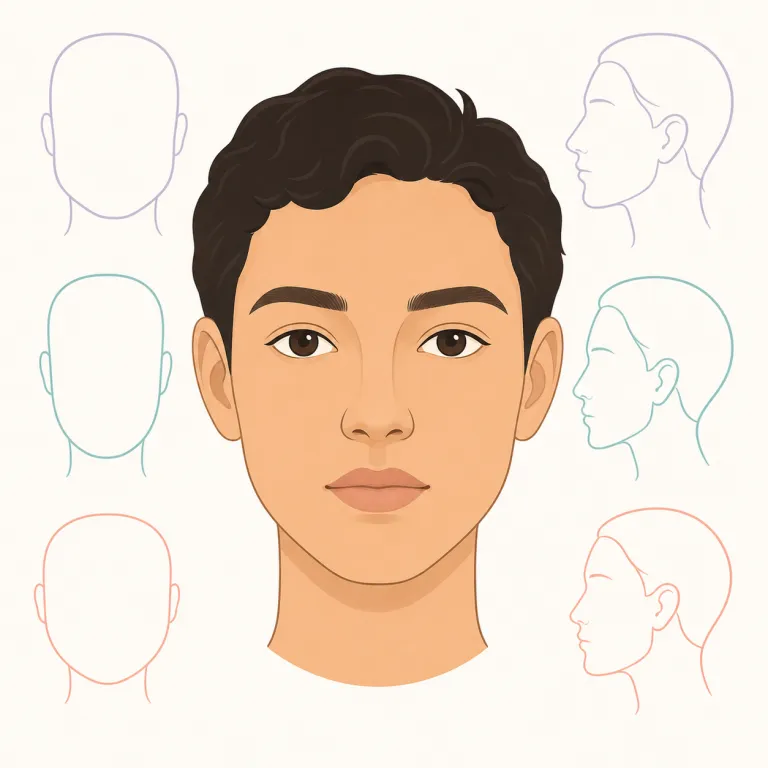
人の顔立ちや、顔全体から受ける見た目の印象を表します。目や鼻など一つ一つの部分だけでなく、表情もふくめた顔つきを指します。少しかたい語です。
A person's facial features or the overall look of their face. It is a formal word for someone's face or facial appearance.
覚え方のコツ Memory Tip
physiognomy は、顔の一部分ではなく「顔全体から読み取れる顔つき・人相」を表す、やや専門的でかたい名詞です。physio- を physical「身体の、外見上の」と結びつけ、外から見える顔の造作と表情を一枚の肖像画として捉えると覚えやすいでしょう。単なる一時的な表情なら facial expression、顔の各部分の特徴なら facial features が普通ですが、physiognomy はそれらを合わせた全体的な印象。calm、serious、distinctive physiognomy の形で人物描写に使うと定着しやすいです。
Think of physiognomy as the look you notice in someone's face. It points to the face as a whole, not just one feature.
例文
The portrait shows his calm physiognomy clearly.
その肖像画は、彼のおだやかな顔つきをはっきり表しています。
I remembered her by her distinctive physiognomy.
私は彼女の特徴のある人相で彼女を覚えていました。
His serious physiognomy made him look older.
彼はまじめそうな顔つきのため、実際より老けて見えました。
人相学
(意味 2)
解説 Definition
人相学は顔の特徴から性格を判断する疑似科学です。
Physiognomy is the idea or practice of judging a person's character from their face or facial features. It is usually used in historical, literary, or critical discussion rather than modern science. The word can also refer more generally to the shape or expression of a face.
覚え方のコツ Memory Tip
physio- は physical や physiology の仲間なので、まず「身体・外見」を連想します。後半は細かく分解しすぎず、「見た目から何かを読み取る学問」とひとかたまりで覚えると残りやすいです。つまり physiognomy は「顔つき・容貌から性格や気質を読むもの」。psychology が心を扱うのに対し、こちらは face, expression, facial features など外見側に寄る語。judge character from a face の発想と結びつけると定着しやすく、さらに現代科学というより疑似科学寄りの語感も一緒に持つと誤用を防げます。
Notice the start `physio-`, the same part you see in `physiology`, so the word is connected to the body or appearance. The tricky part is that it is not about how the body works, but about judging a person from how the face looks. To remember it, link it with phrases like `practice physiognomy` or `belief in physiognomy`, often in old or unscientific discussions.
例文
Physiognomy claims that facial features reveal a person's character.
人相学は、顔の特徴がその人の性格を表すと主張しています。
The practice of physiognomy lacks scientific evidence.
人相学は科学的証拠を欠いています。
Many historical figures believed in physiognomy despite its pseudoscientific nature.
多くの歴史的人物は、疑似科学的性質にもかかわらず人相学を信じていました。
physiognomy の類義語・関連語
類義語
紛らわしい語
physiognomy の語源・成り立ち Etymology
ギリシャ語で「自然、性質」を表す physis と、「知る人、判断する人」に関係する語から来ています。もとは外に見える姿からその人を知ろうとする考えと結びつき、顔つきや人相を表す語になりました。
Physiognomy comes through Latin and Greek from words connected with physis, meaning nature, and knowing or judging. The word became connected with the visible look of a person's face.
同じレベルの語彙をもっと
外部辞書で調べる
この英単語をクイズで覚えよう