
意味一覧 (2件)
表情
解説 Definition
「countenance」は人の顔つきや表情を指す名詞で、感情や態度がどのように現れているかを示します。喜びや不安などの心の動きが顔に表れる様子を説明する時に使います。周囲の空気や相手の反応を読み取るために、その人の表情を観察する状況などで使われます。
Countenance means a person's face or facial expression. It is a more formal or literary word than everyday words like face or expression. It is often used when describing someone's mood or appearance.
覚え方のコツ Memory Tip
まず face, look, expression を知っていれば、その少しかしこまった文語・文学寄りの言い方が countenance。単なる「顔」ではなく、感情や態度がにじむ「顔つき」まで含む語だと置くと覚えやすいです。cheerful / stern / calm countenance のように形容詞と結びつきやすく、his countenance changed なら「表情が変わった」。count や account と見た目が近くても、数える話ではない点に注意。
Think of `countenance` as a more formal or literary word for `face` or `expression`. It often suggests the feeling shown on the face, not just the face itself. Phrases like `calm countenance` or `his countenance changed` make the word easier to remember.
例文
Her countenance stayed calm even during the test.
テスト中でも彼女の表情は落ちついていた。
His countenance brightened when the guests arrived.
客が到着すると、彼の表情は明るくなった。
The coach read the players' countenances before choosing the starter.
コーチは先発を選ぶ前に、選手たちの表情から心の内を読み取った。
容認する
(意味 2)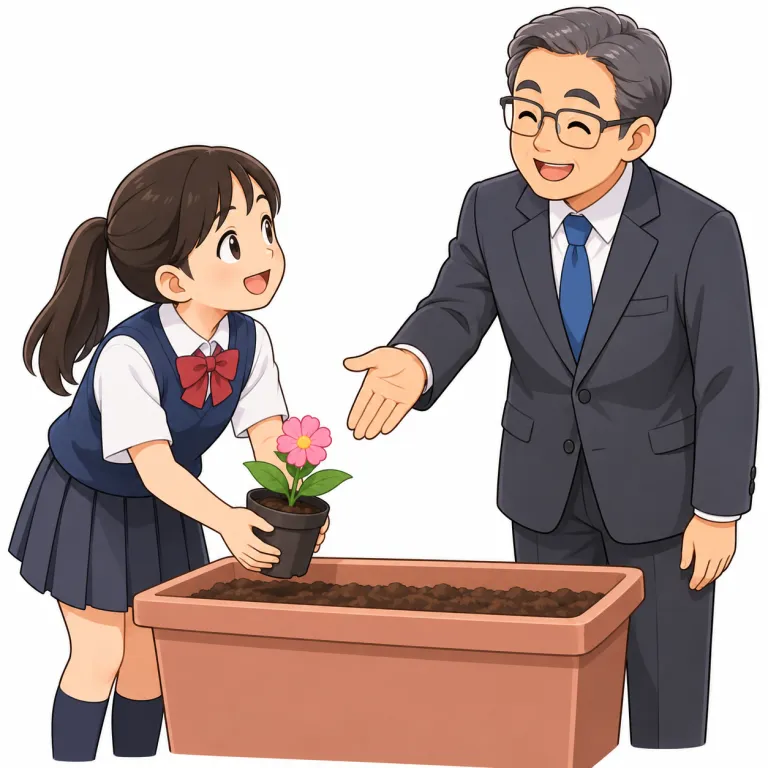
解説 Definition
何かを受け入れたり容認することを表します。許可したり認めたりする行為を指します。
To countenance something means to accept, approve of, or allow it. It is usually used in formal English when talking about behavior, ideas, or actions that someone supports or refuses to support. It often appears in negative forms, showing disapproval.
覚え方のコツ Memory Tip
countenance はまず名詞で「顔つき・表情」があると知ると残りやすい語です。よくない行為を見ても表情を崩さず受け入れるイメージから、動詞で「容認する」。tolerate よりやや硬く、permit よりも「反対せず認めてしまう」感じがあります。cannot countenance violence のように、暴力・不正・差別など望ましくないものを『容認しない』文脈でよく出ます。名詞の countenance と混同しないよう、動詞では that 節や悪い行為が後ろに来やすいと覚えると定着しやすいです。
It helps to know the noun `countenance`, meaning a face or expression. From that image, the verb suggests calmly allowing something instead of opposing it. You will often see it in negative forms like `cannot countenance violence`, which is a useful pattern to remember.
例文
The school did not countenance bullying and took strict action against offenders.
学校はいじめを容認せず、いじめた者に厳正に対処した。
The principal refused to countenance any excuses for tardiness.
校長は遅刻の言い訳を一切認めなかった。
We cannot countenance dishonesty in our business dealings.
事業上の取引で不正を容認することはできない。
countenance の類義語・関連語
countenance の語源・成り立ち Etymology
countenance は古フランス語 contenance、ラテン語 continere「保つ」にさかのぼり、con-(共に)+ ten/tain(保つ)+ -ance と分けられます。もとは「身の保ち方」で、そこから「顔つき・表情」へ進み、contain や retain も同じ語根です。
Countenance came into English through Old French contenance and goes back to Latin roots related to continere, meaning "to hold together" or "contain." It first referred to a person's bearing or the way they held themselves. From there, it narrowed to the expression shown in the face; related English words include contain, retain, and maintenance.
同じレベルの語彙をもっと
外部辞書で調べる
この英単語をクイズで覚えよう