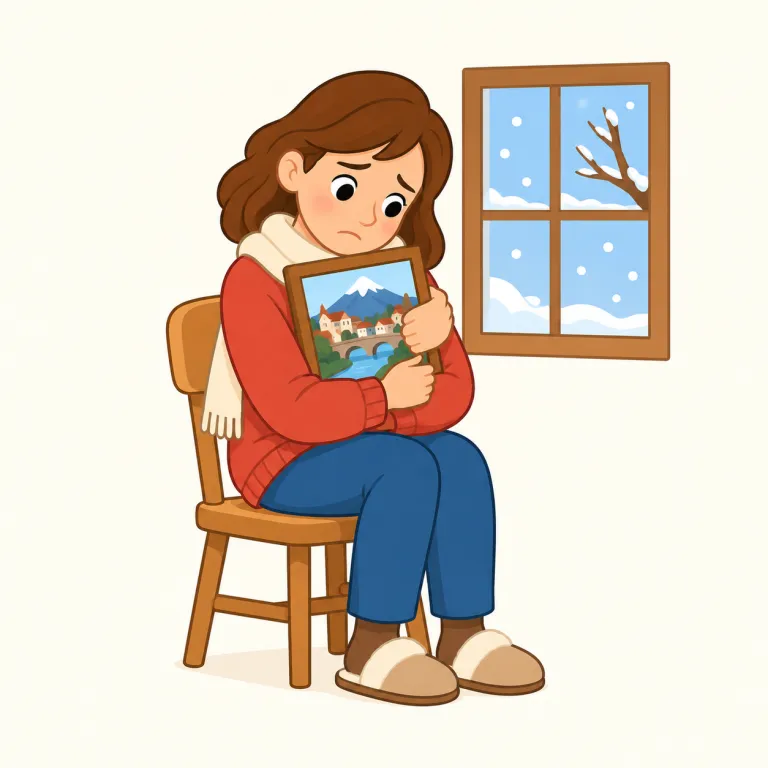
恋い焦がれている、切望している
解説 Definition
pining は pine(恋しがる、切望する)の現在分詞・動名詞です。人や場所、以前の暮らし、望む状態などを強く、しばしば長く恋しく思うことを表します。
Pining is the present participle or gerund of pine, meaning to feel a deep, often prolonged longing for a person, place, former way of life, or desired condition. It commonly occurs with for.
使い方 Usage
覚え方のコツ Memory Tip
pine の語末の黙字 e を落として -ing を付けると pining。pine /paɪn/ の長い母音を保ち、/ˈpaɪnɪŋ/ と発音します。故郷を強く恋しく思う場面で覚えましょう。
Drop the final silent e of pine and add -ing to form pining. The vowel in pine /paɪn/ remains in pining /ˈpaɪnɪŋ/. Picture someone deeply longing for home.
例文
She spent the winter pining for her hometown.
彼女は冬の間、故郷を恋しく思って過ごしました。
He was pining for the quiet life he once had.
彼はかつての静かな暮らしをしきりに懐かしんでいました。
The novel shows a young artist pining for recognition.
その小説は、認められることを強く望む若い芸術家を描いています。
pining の類義語・関連語
pining の語源・成り立ち Etymology
pining は動詞 pine 由来で、古英語 pīnian「苦しむ・やつれる」にさかのぼり、さらにラテン語 poena「罰・苦痛」に通じます。苦しさで身が細る感覚から「恋い焦がれる・思い悩むこと」の意になり、なるほど pain や penalty と同じ根を持ちます。
Pining is formed from pine by dropping final e and adding -ing. The verb pine comes from Old English pinian, “to cause or suffer pain,” and is historically connected through Germanic and Latin transmission with Latin poena, “punishment or penalty.” The sense developed from suffering or wasting away to experiencing intense longing. This history explains why pining suggests more emotional pain and duration than simply wanting something.
同じレベルの語彙をもっと
外部辞書で調べる
この英単語をクイズで覚えよう