
premise
premise は英検準1級・TOEIC 990・TOEFL 100・IELTS 7.5レベルの英単語で、「前提、建物、敷地」という意味があります。発音記号は /ˈprɛmɪs/ です。
意味一覧 (2件)
前提
解説 Definition
議論や推論の出発点になる条件や仮定のことで、そこから結論を導く土台になる。前提は真実・確実であるとは限らず、未検証や誤った仮定でも推論の出発点になりうる。複数形 premises は、文脈によって土地や建物の敷地を指す意味でも使われる。
A premise is an idea or statement that is accepted as true and used as the basis for reasoning or discussion. It is common in logic, arguments, and formal writing, where a conclusion is built from one or more premises.
覚え方のコツ Memory Tip
premise は「議論のスタート地点」に固定すると覚えやすい。文章では basic premise, false premise, question a premise などの形でよく出て、結論 conclusion を支える土台だと意識すると定着する。assumption も近いが、premise は特に論理や議論の組み立てで使われやすい。on the premise that で「〜という前提で」。promise と綴りが少し似るが無関係で、premise は約束ではない。なお、premises は論理上の「複数の前提」にも場所の「建物・敷地」にもなるため、単複だけでなく文脈で区別する。
Remember `premise` as the starting point of an argument. It often appears with `false premise`, `basic premise`, or `on the premise that`, so learn those chunks. Also watch the spelling: it looks a little like `promise`, but `premise` belongs to logic, not to promises.
例文
The premise of the argument is that humans can talk to animals.
その議論の前提は、人間が動物と話せるということだ。
Our plan rests on the premise that the market will keep growing.
私たちの計画は市場が成長し続けるという前提に立っている。
The premise of this theory is supported by scientific evidence.
この理論の前提は科学的証拠に支えられている。
えいたんごクイズでの正答率
この語をはじめて出題された 47人 のうち 39人 が正解しました(83%)。
えいたんごクイズの回答から集計した独自データです。1人につき最初に出題されたときの1回だけを数えており、復習や2回目以降の回答、「わからない」と時間切れは含みません。 集計時点は 2026年9月19日 です。
建物、敷地
(意味 2)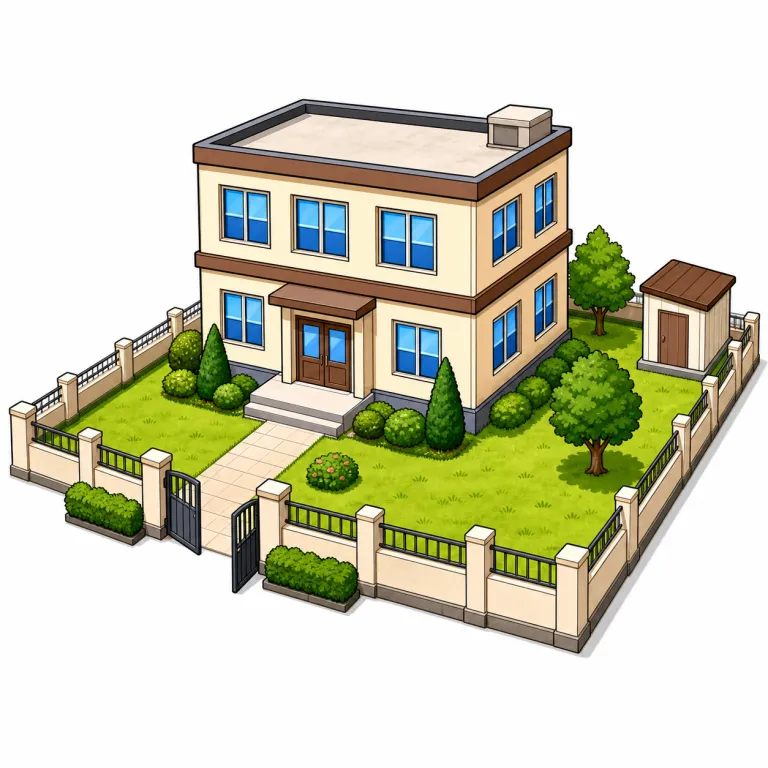
解説 Definition
会社・店・学校などが使用する建物や、その周囲を含む敷地全体を指す名詞です。特に premises の形で使われることが多く、一棟の建物だけでなく、施設がある場所全体をやや事務的・法的に述べるときに用いられます。立ち入り禁止や防犯、営業場所の案内などでよく見られます。
The buildings and associated grounds used by a business, school, or other organization. This sense takes a plural form and often appears in formal notices about access, security, or activities allowed at a location.
覚え方のコツ Memory Tip
premises は「その事業や学校が前もって置かれている場所」と考えると覚えやすい語です。Visitors must sign in before entering the premises. のように、建物だけでなく周囲の敷地まで含むやや事務的な言い方。場所の意味では通常 premises の形で、on school premises, leave the premises のように使われます。ただし premises は論理上の「複数の前提」にもなるため、意味は文脈で区別します。
Picture a school building and its surrounding grounds enclosed by one boundary. Remember "on school premises" and "leave the premises" to connect the word with the whole location. Under the lemma premise, this location sense uses the plural form premises.
例文
Visitors must sign in before entering the premises.
訪問者は敷地内に入る前に受付で記名しなければならない。
Smoking is not allowed anywhere on school premises.
学校の敷地内ではどこでも喫煙は禁止されている。
Security cameras were installed around the premises.
敷地の周囲に防犯カメラが設置された。
premise の類義語・関連語
premise の語源・成り立ち Etymology
premise はラテン語 praemissa「前もって送られた事柄」から来ており、pre-「前に」+ miss「送る」が骨格です。mission や transmit も同じ mit/miss 系なので、結論の前に先に差し出しておく土台が「前提」だと考えると意味が腑に落ちます。
Premise comes from Latin praemissa, meaning "things sent before," from prae- "before" and mittere "to send." The image is of something put forward in advance. That developed into the logical sense of a statement placed before a conclusion as its basis; mission and transmit come from the same root.
同じレベルの語彙をもっと
英検準1級の一覧へ →外部辞書で調べる
この英単語をクイズで覚えよう