難治性の、治療抵抗性の
adjective 形容詞病気や症状が通常の治療に反応せず、改善しにくいことを表す医学的用法。人が命令に反抗するという既存語義とは異なり、recalcitrant infection や recalcitrant symptoms のように病態を修飾する。
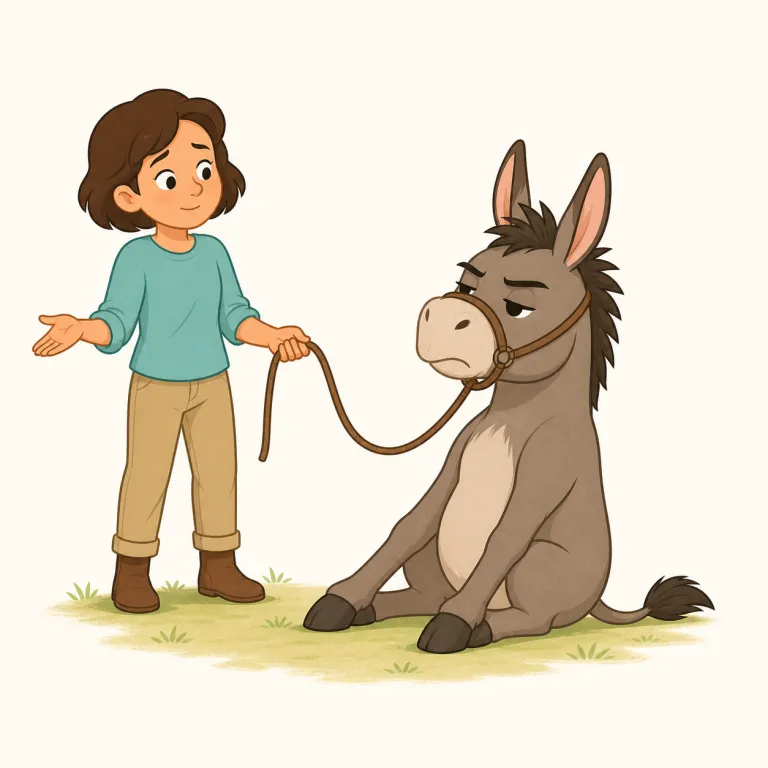
recalcitrant は英検1級レベルの英単語で、「反抗的な」という意味があります。発音記号は /rɪˈkælsɪtrənt/ です。
権威や指示に従うことを拒否する、または強く反抗する。言うことを聞かない状態。
Recalcitrant describes someone or something that refuses to obey, cooperate, or change. It is often used for difficult people, groups, or problems that resist control. This is a fairly formal word.
reluctant(気が進まない)は内心しぶる程度、stubborn は単に頑固、recalcitrant は「人からの指示や権威に対して、表に出して従わない」という反抗のニュアンスが強い。re- に「逆向き」を感じると、命令に逆らう語として整理しやすい。a recalcitrant child / employee / regime のように、注意しても改まらず扱いにくい相手に使われる。単なる不満や消極姿勢ではなく、従わせようとしても抵抗する感じを核に覚える。文章語寄りなので、会話の stubborn より硬く、ニュースや評論で見たら「統制が効かない相手」を連想すると残りやすい。
The prefix re- can help you feel the idea of pushing back against control. Recalcitrant is stronger than stubborn: it suggests open resistance to orders, rules, or authority. Picture a recalcitrant child or employee who refuses to cooperate.
The recalcitrant teenager refused to follow his parents' rules and constantly argued back.
その反抗的な十代の若者は両親のルールに従うことを拒否し、常に言い返した。
The government struggled with the recalcitrant provinces that resisted new legislation.
政府は新しい法律に抵抗する州への対応に苦慮した。
Despite multiple warnings, the recalcitrant employee continued to ignore company policies.
何度も警告を受けたにもかかわらず、その反抗的な従業員は会社の方針を無視し続けた。
文脈によって、次の意味でも使われます。
病気や症状が通常の治療に反応せず、改善しにくいことを表す医学的用法。人が命令に反抗するという既存語義とは異なり、recalcitrant infection や recalcitrant symptoms のように病態を修飾する。
recalcitrantはラテン語 recalcitrare「後ろへ蹴る」が語源で、re-「逆へ」+ calcitrare「かかとで蹴る」から成ります。命令に従わず蹴り返す姿が「反抗的な」につながり、recalcitrateやcalcaneusも同じかかと系の語です。
From Latin recalcitrare, literally "to kick back," built from re- "back" and calcitrare "to kick with the heel." The idea was first of an animal striking backward in resistance, and this later became the figurative sense of being stubborn or defiant. Related English words include recalcitrate and calcaneus, which also comes from the Latin word for "heel."
この英単語をクイズで覚えよう