しつこい、除去しにくい
adjective 形容詞汚れ・病気・問題などが、努力してもなかなか取れたり解決したりしないことを表します。stubborn stain や stubborn cough のように、人の意志ではなく、対象の除去・改善の難しさを強調します。
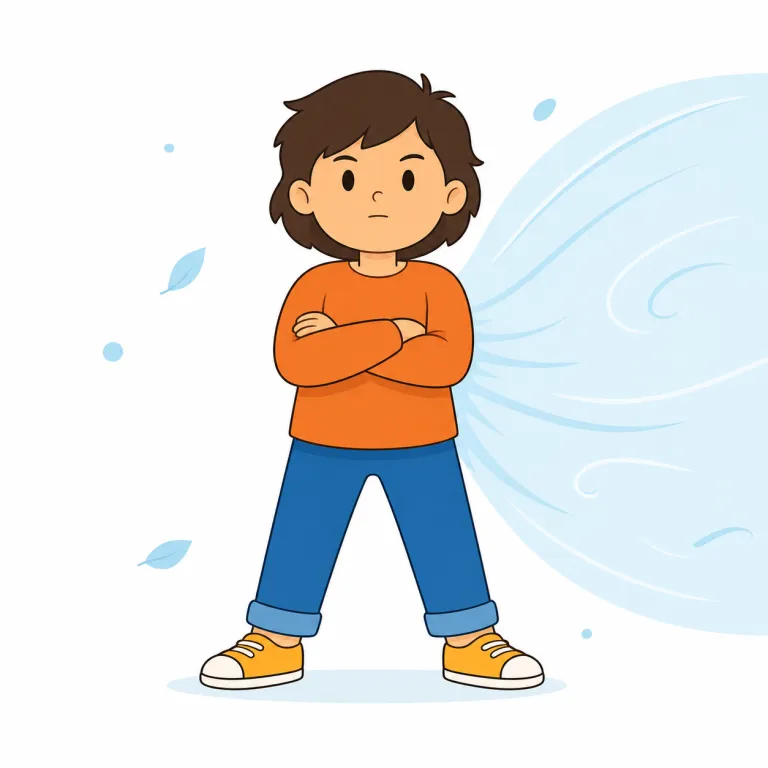
stubborn は英検2級レベルの英単語で、「頑固な」という意味があります。発音記号は /ˈstʌbərn/ です。
stubborn は「ただ強い」ではなく、「考え・態度・状態が変わらない硬さ」に注目すると定着しやすい。a stubborn child は言うことを聞かない子、a stubborn stain は落ちにくい汚れ、a stubborn problem はしぶとく残る問題。人にも物事にも使え、「こちらが働きかけても動かない」感じが共通。positive 寄りの firm や persistent と違い、融通がきかず扱いにくい響きが強い語として覚えると使い分けやすい。
Think of stubborn as hard to move or change. A stubborn child, a stubborn stain, and a stubborn problem all stay the same even when you try to change them. It is closer to firm in a negative way: not flexible, not easy to deal with.
意見や行動を変えることを強く拒否し、頑固に自分の意思を通そうとする性質を表します。融通がきかない様子を指します。
If someone is stubborn, they do not easily change their opinions, decisions, or behavior, even when other people try to persuade them. It is often used to describe a person who keeps doing what they want. The word can be negative, but it can also suggest strong determination in some situations.
His stubborn attitude made it difficult to work with him.
彼の頑固な態度のせいで、彼と一緒に働くのが難しかった。
She was too stubborn to ask for help.
彼女は頑固すぎて助けを求められませんでした。
The stubborn old man refused to change his mind.
その頑固な老人は自分の考えを変えることを拒みました。
この語をはじめて出題された 35人 のうち 25人 が正解しました(71%)。
えいたんごクイズの回答から集計した独自データです。1人につき最初に出題されたときの1回だけを数えており、復習や2回目以降の回答、「わからない」と時間切れは含みません。 集計時点は 2026年9月19日 です。
文脈によって、次の意味でも使われます。
汚れ・病気・問題などが、努力してもなかなか取れたり解決したりしないことを表します。stubborn stain や stubborn cough のように、人の意志ではなく、対象の除去・改善の難しさを強調します。
stubborn は中英語 stuborn にさかのぼり、語源は断定しにくいものの stub「切り株」と結びつける説が有力です。切り株のように短く突き出し、押しても動かない像が「頑固な」につながります。stub や stubble も同じく突き出た硬さを感じさせる語です。
stubborn comes from Middle English stuborn. Its exact origin is uncertain, but it is often linked with stub, meaning a short hard stump. The idea is of something sticking out like a stump and not moving easily, which led to the sense of being firm and hard to change. Related words such as stub and stubble suggest the same rough, stiff image.
この英単語をクイズで覚えよう