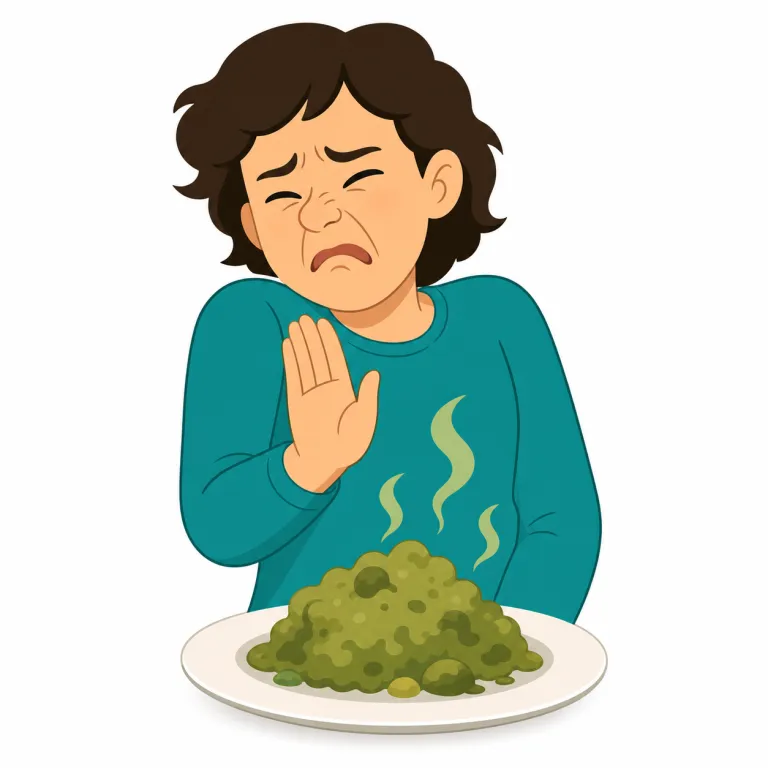
revulsion
revulsion は英検1級レベルの英単語で、「嫌悪感」という意味があります。発音記号は /rɪˈvʌlʃən/ です。
嫌悪感
解説 Definition
何かに対する深い嫌悪感や反感。吐き気や身体的反応を伴う著しい不快感。
Revulsion is a very strong feeling of disgust or horror. It is used when something seems deeply unpleasant, shocking, or morally wrong. This is a strong word and expresses more than simple dislike.
覚え方のコツ Memory Tip
まずdisgustより強い語として位置づけると覚えやすいです。dislikeが「好きではない」、disgustが「強い嫌悪」、revulsionはそこからさらに進んで、思わず身を引く・吐き気まで伴いそうなレベルの反応を表します。形が似るrevolt / revolting も「むかつくほど嫌だ」という感覚で近く、まとめて記憶できます。使い方は feel revulsion at[toward] ... が頻出で、単なる意見ではなく身体的な拒絶反応を帯びる語だと押さえると定着します。
Remember it as stronger than `disgust`. The sound links well with `revolting`, which also gives a strong feeling of wanting to pull away. Try the pattern `feel revulsion at/toward ...` to remember that it often describes a deep, almost physical reaction.
例文
She felt revulsion at the sight of the decaying animal.
腐敗した動物を見て、彼女は嫌悪感を覚えた。
The audience expressed revulsion at the graphic violence in the film.
観客は映画の生々しい暴力描写に嫌悪感を示した。
His revulsion toward dishonesty was evident in his dealings.
彼の不誠実さに対する嫌悪感は、人との関わり方にはっきり表れていた。
revulsion の類義語・関連語
revulsion の語源・成り立ち Etymology
revulsionはラテン語re-「後ろへ」+ vellere「引っぱる・むしる」から来たrevellereに由来し、原義は「ぐっと引き離す」です。convulsionも同じvellere系で、心や体が強く引っぱられる感覚から、対象から思わず身を引く「嫌悪感」へ意味が育ちました。
Revulsion comes from Latin revellere, made from re- "back" and vellere "to pull" or "to tear." The early idea was a strong pulling away. That physical sense later became emotional, giving the meaning of a sudden feeling of disgust that makes a person shrink back. Convulsion comes from the same Latin root.
同じレベルの語彙をもっと
英検1級の一覧へ →外部辞書で調べる
この英単語をクイズで覚えよう