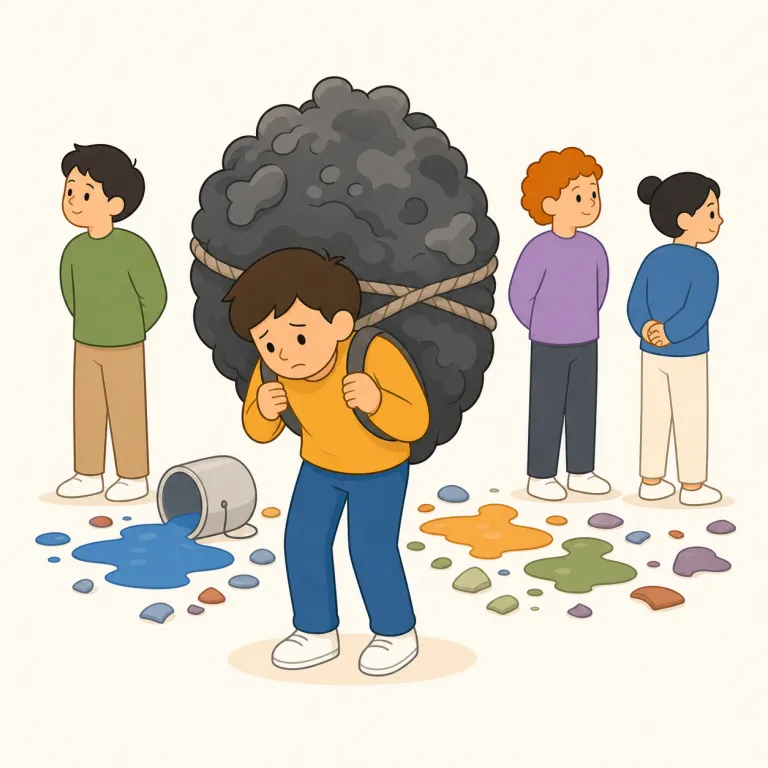
身代わりにして責任を押し付けること
解説 Definition
特定の人や集団を問題の原因だと決めつけ、本来の責任や構造的な要因から目をそらして非難を集中させることを指す。不公平な責任転嫁を表す名詞で、政治・職場・家庭など幅広い場面で使われる。
Scapegoating is the act of unfairly blaming one person or group for a problem. It often happens when people want an easy target instead of dealing with the real cause. The word has a negative meaning and is common in social, political, and workplace contexts.
覚え方のコツ Memory Tip
まず scapegoat を一まとまりで覚えると楽です。goat 単独の意味より、「責任を背負わされる人・集団」という固定表現として入れるのがコツ。そこに -ing が付いて、誰かをその scapegoat にしていく行為が scapegoating。単なる blame や criticism より、不都合な原因や構造問題を追わず、弱い立場の相手に非難を集中させる感じが強い語です。political scapegoating, immigrants were scapegoated のような言い方と一緒に覚えると、使用場面までセットで残ります。
Treat `scapegoat` as one fixed expression, not as `scape` plus `goat.` It means a person or group that gets blamed for problems. Then `scapegoating` is the act of making someone that target, often instead of facing the real cause.
例文
Scapegoating minorities for economic problems is a dangerous political tactic.
経済問題の責任を少数派に押し付けるのは、危険な政治的手法である。
The manager's scapegoating of the junior staff destroyed morale in the department.
管理職が若手職員に責任を押し付けたことで、部署の士気は大きく損なわれた。
Psychologists warn that scapegoating within families can cause lasting emotional damage.
心理学者は、家族内で誰かを悪者にして責任を負わせることが、長く残る心の傷を生むおそれがあると警告している。
scapegoating の類義語・関連語
scapegoating の語源・成り立ち Etymology
scapegoating は scapegoat「身代わりに責任を負わされる人・もの」からできた語で、scape は古い形の escape に由来します。旧約聖書で罪を負わされて荒野へ追われる「逃がされるヤギ」が原像で、そこから「他人に罪をなすりつけること」という意味になりました。
It comes from scapegoat, a word created in English from scape, an old form of escape, and goat. The image comes from the Bible, where a goat symbolically carried away the people's sins into the wilderness. From that story, the word developed into the idea of unfairly placing blame on someone else.
同じレベルの英単語をもっと
外部辞書で調べる
この単語を英単語クイズで覚えよう