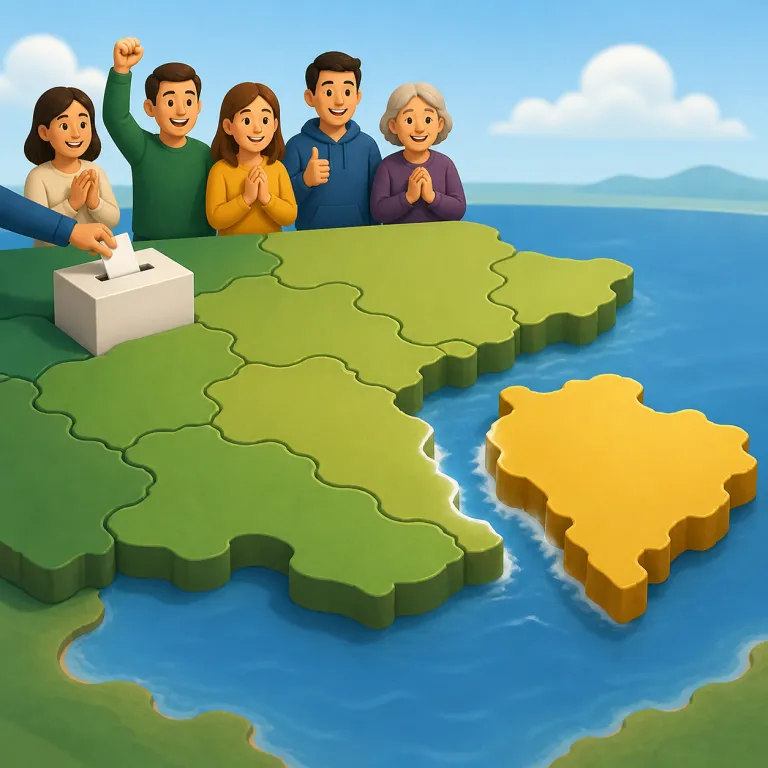
脱退する
解説 Definition
より大きな集団や組織から分離し、独立する、または脱退する行為。政治的な文脈では国や州が連邦から分離独立することを指すことが多い。
Seceding means formally leaving a larger group, organization, or political union. It is often used when a state, region, or member separates from a bigger body. The word usually suggests an official or serious break.
覚え方のコツ Memory Tip
seceding は secede の進行形で、まず se- に「離れる」感覚を持つと覚えやすいです。separate と同じく“外へ分かれる”方向を感じる語。日常の quit や withdraw が単なる退会・撤退にも使えるのに対し、secede は州・地域・組織の一部がより大きなまとまりから正式に離れて独立する響きが強いです。secede from the union / secede from a country の形でまとめて覚えると、政治的な「脱退・分離独立」の場面が浮かび、記憶に残ります。
Connect `seceding` with `separate`: both carry the idea of moving away from a larger whole. `Secede` is stronger than simple `quit` or `leave` and is often used for a state, region, or group formally breaking away. Remember common patterns like `secede from the union` or `secede from a country`.
例文
Several Southern states were seceding from the Union during the Civil War.
南北戦争中、いくつかの南部州は連邦から分離していた。
The province was seceding from the country after a public vote.
その州は住民投票を経て国からの離脱を進めていた。
Political tensions led to the region seceding from the country.
政治的緊張により、その地域は国から分離独立することになった。
seceding の類義語・関連語
seceding の語源・成り立ち Etymology
secedingはラテン語secedereに由来し、se-「離れて」+cedere「進む・行く」で、文字どおり「離れて行く」です。concedeやrecedeも同じcedereの仲間で、集団から一歩引いて別れる意味が自然につながります。
Seceding comes from Latin secedere, made from se- "apart" and cedere "to go." Its original sense was literally "to go apart" or "move away." In English, that became the idea of formally separating from a group or union. Related words from the same Latin root include recede and concede.
同じレベルの語彙をもっと
外部辞書で調べる
この英単語をクイズで覚えよう