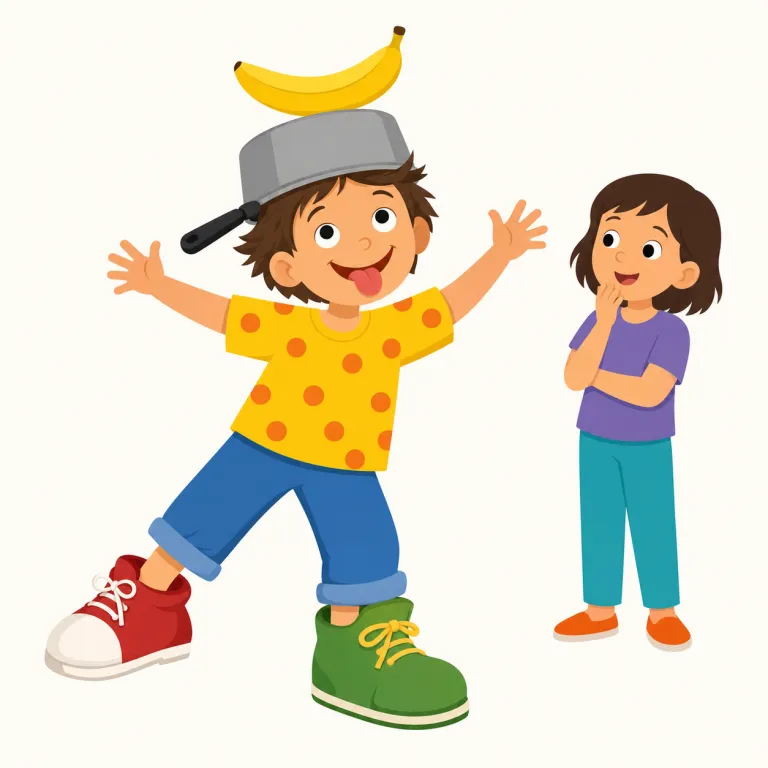
愚かさ
解説 Definition
ばかげた行動や発言、つまらないことをすること。おどけた態度や滑稽な様子。
Silliness is the quality of being foolish, playful, or not serious in a light way. It is often used for behavior, jokes, or ideas that seem a little childish or unreasonable. The word is usually mild and not strongly negative.
覚え方のコツ Memory Tip
まず silly を確実に押さえると覚えやすいです。silliness は「sillyな状態・性質」を作る -ness が付いた形で、kind→kindness、dark→darkness と同じ見方ができます。意味は重い「愚鈍さ」より、くだらない冗談・子どもっぽいふざけ方・真面目さの欠如に近い軽さが中心。stupidity が能力の低さまで強く責めるのに対し、silliness は “Stop the silliness.” “schoolboy silliness” のように「ばかなふるまいはやめて」という場面で出やすい、と覚えると定着します。
Build it from `silly` + `-ness`, like `kind` becomes `kindness`. So `silliness` is simply the state or quality of being silly. It often sounds light and childish, as in jokes or behavior, not as harsh as `stupidity`.
例文
The children's silliness made everyone laugh during the party.
子供たちのふざけた様子がパーティー中に皆を笑わせた。
His silliness was not appropriate for the formal business meeting.
彼のふざけた態度は正式なビジネス会議にはふさわしくなかった。
The teacher asked the group to stop its silliness and focus.
先生はグループに、ふざけるのをやめて集中するよう求めました。
silliness の類義語・関連語
silliness の語源・成り立ち Etymology
silliness は silly + -ness から成り、silly は古英語 gesælig「幸運な、幸福な」にさかのぼります。古形 seely やドイツ語 selig と同根で、「幸せで無垢な」が「世間知らず」を経て「愚かな」へずれた意味変化を知ると、今の語感の皮肉さが印象に残ります。
Silliness comes from silly plus the noun ending -ness. Silly goes back to Old English gesaelig, meaning "happy" or "fortunate," and it is related to old seely and German selig. Over time, the sense shifted from "innocent" to "naive," and then to the modern idea of being foolish.
同じレベルの語彙をもっと
外部辞書で調べる
この英単語をクイズで覚えよう