芽胞
noun 名詞一部の細菌が乾燥、高温、薬品などの厳しい環境を生き延びるために形成する、耐久性の高い休眠構造を指す。植物や菌類の生殖用の胞子とは異なり、通常は個体数を増やすためのものではない。
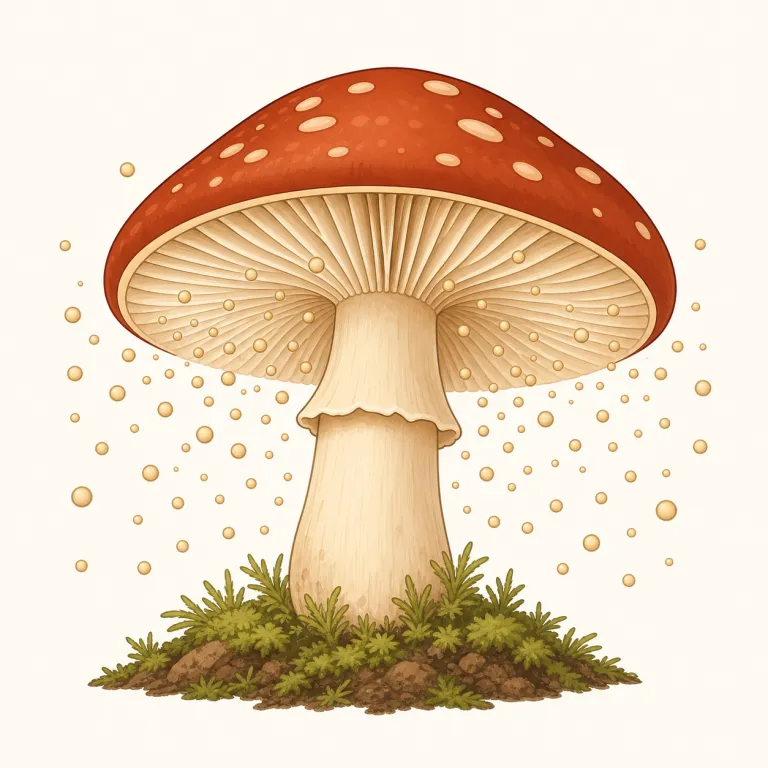
spore は英検1級レベルの英単語で、「胞子」という意味があります。発音記号は /spɔːr/ です。
シダやキノコなどの下等植物が繁殖のために放出する非常に小さい構造体を指します。風や水によって運ばれて新しい個体になるもので、種子とは異なり単細胞または数細胞で構成されています。
A spore is a very small reproductive cell produced by fungi, mosses, ferns, and some other organisms. It can grow into a new organism under the right conditions. Spores are usually spread through air, water, or contact with surfaces.
キノコやカビの説明でよく一緒に出る語として覚えると定着しやすいです。seed よりずっと小さく、目に見えにくい粒が空気や水で広がって増えるイメージを固定するとよいでしょう。spores are released / spread / grow の形で触れると使い方が見えます。mold spores(カビの胞子), airborne spores(空気中の胞子)などの連語も頻出。植物の「種」そのものというより、「ばらまかれて増える微小な繁殖単位」として押さえると seed と混同しにくくなります。
Remember it with mushrooms and mold, because `spore` often appears in that context. It is like a very tiny spreading unit, much smaller than a seed. Common combinations like `mold spores` and `airborne spores` help the word stick.
Ferns release spores to reproduce.
シダは繁殖するために胞子を放出します。
The spore drifted on the wind and landed in moist soil.
胞子は風に乗って漂い、湿った土に落ちました。
Under the microscope, we could see the tiny spores from the mushroom.
顕微鏡で見ると、キノコの小さな胞子が確認できました。
文脈によって、次の意味でも使われます。
一部の細菌が乾燥、高温、薬品などの厳しい環境を生き延びるために形成する、耐久性の高い休眠構造を指す。植物や菌類の生殖用の胞子とは異なり、通常は個体数を増やすためのものではない。
「spore」はギリシャ語 spora「種まき・種」に由来し、語根 speirein は「まく」を意味します。sporadic や diaspora も同じ根をもち、「あちこちにまかれて広がるもの」という感覚から、胞子が生命を運ぶ小さな種だと腑に落ちます。
"Spore" comes from Greek "spora," meaning "seed" or "sowing," from the verb "speirein," "to sow." The word was used for something small that spreads life, like a seed scattered in many places. Related words from the same root include "sporadic" and "diaspora," both carrying the idea of scattering.
この英単語をクイズで覚えよう