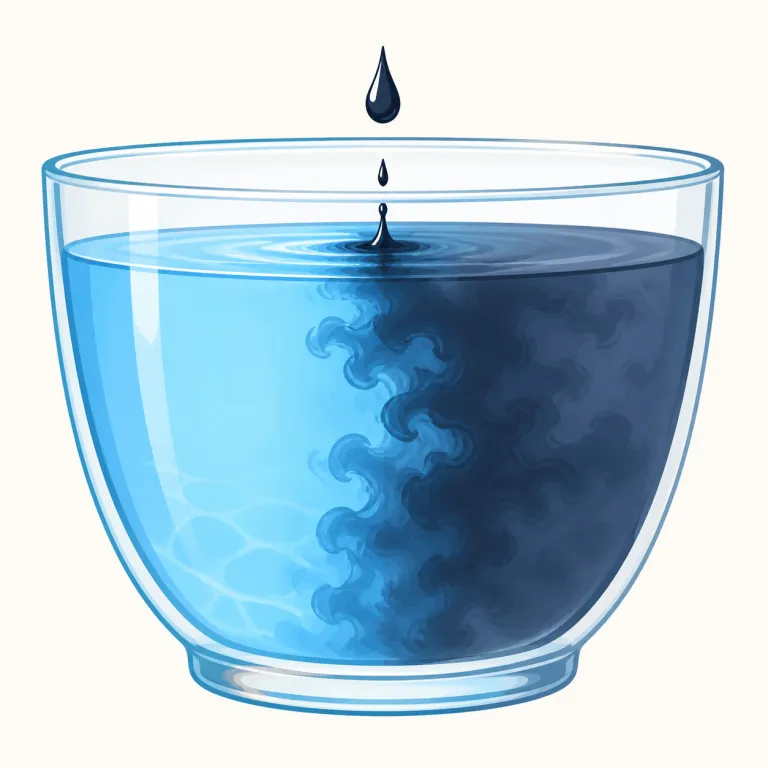
汚染する
解説 Definition
何かを汚す、不潔にする、または道徳的に堕落させる行為。タイント(taint)の現在分詞形で、継続的な汚染の過程を表す。
Tainting means making something impure, damaged, or less acceptable. It can be used for physical things, such as food or water, and also for abstract things, such as a person's reputation or a process. The word often suggests a negative change that spreads or remains.
覚え方のコツ Memory Tip
まず taint を核で覚える。stain が表面にしみ・汚れを付ける感じなのに対し、taint は食品・水・評判・証拠・判断などが「悪いものに触れて中身まで怪しくなる」感じが強い。単なる dirty より、「純粋さ・信頼性が損なわれる」場面で出やすい。tainted water, tainted evidence, tainted reputation が頻出。-ing が付いた tainting は「今まさに汚しつつある、悪影響が広がっている途中」。tint(薄く色を付ける)とつづりが近いので混同注意。
Start by fixing the core word `taint` in your memory. Unlike `stain`, which often suggests a mark on the surface, `taint` suggests that something becomes spoiled or untrustworthy inside. That is why it often appears with words like `water`, `evidence`, or `reputation`. The `-ing` form, `tainting`, shows the bad effect is happening now or spreading.
例文
Tainting the water supply is a serious environmental crime.
水道水を汚染することは深刻な環境犯罪です。
The scandal was tainting the company's reputation.
そのスキャンダルは会社の評判を汚していました。
He was accused of tainting the evidence in the investigation.
彼は捜査の証拠を損なったとして告発されました。
tainting の類義語・関連語
tainting の語源・成り立ち Etymology
tainting は taint「汚す」に -ing が付いた形で、taint は古フランス語 teindre、さらにラテン語 tingere「染める・色をつける」に由来します。もともと「色が付く」が、悪いものがしみつく感覚から「汚染する・名を傷つける」へ広がりました。関連語は tint、tincture。
Tainting comes from taint plus the ending -ing. Taint comes through Old French from Latin tingere, meaning "to dye" or "to color." The sense seems to have shifted from being colored or stained to being spoiled or morally damaged by something bad. Related English words include tint and tincture.
同じレベルの語彙をもっと
外部辞書で調べる
この英単語をクイズで覚えよう