turn a blind eye to
見て見ぬふりをする
解説 Definition
問題や不正を知りながら、わざと無視して見て見ぬふりをすること。
To turn a blind eye to something means to deliberately ignore something wrong, illegal, or unfair even though you know it is happening. It is often used when a person in authority chooses not to act. This expression usually has a negative meaning.
覚え方のコツ Memory Tip
まず直訳の絵を固定します。turn a blind eye to は「目を見えない状態のほうへ向ける」なので、見えているのに、あえて見ない感覚です。point は単に向ける、ignore は無視するですが、この表現は『不正や問題に気づいているのに黙認する』のが核心。turn a blind eye to corruption / bullying / the warning のように、公的・道徳的に見逃してはいけない場面でよく出るので、「知らない」のではなく「知っていてスルー」と覚えると定着します。
Make a clear mental picture: you turn your eye away and act as if it cannot see. That image helps separate it from simple `ignore`, because here the person usually knows there is a problem. It is often used for wrongdoing such as corruption, bullying, or rule-breaking.
例文
The manager turned a blind eye to the employees who were leaving early every Friday.
マネージャーは、従業員が毎週金曜日に早退しているのを見て見ぬふりをしていた。
We cannot turn a blind eye to pollution just because it is convenient for the economy.
経済にとって都合が良いからといって、公害を見て見ぬふりすることはできない。
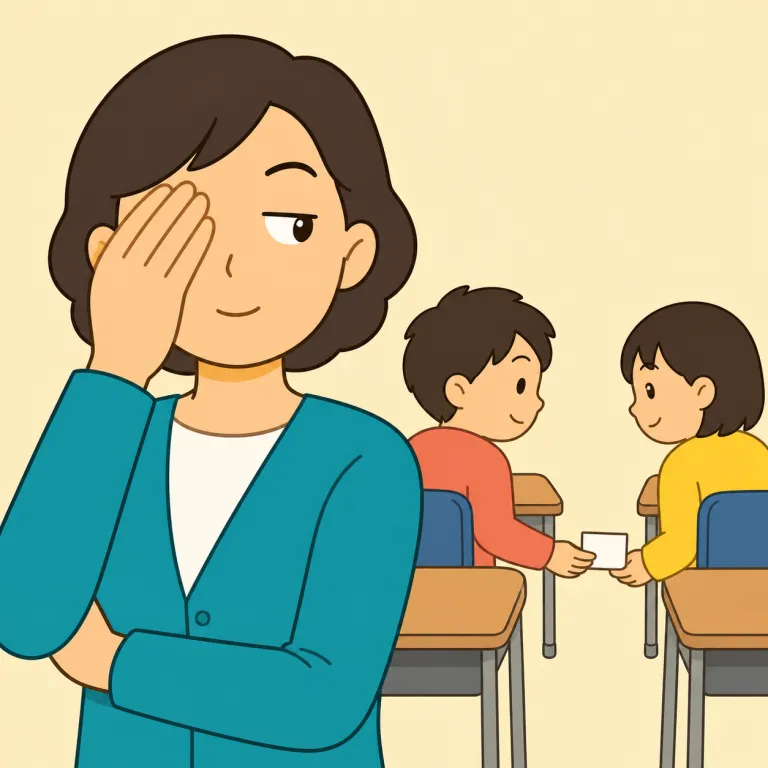
The teacher turned a blind eye to the students passing notes, deciding it was harmless.
先生は、害はないと判断し、生徒たちがメモを回しているのを見て見ぬふりした。
turn a blind eye to の類義語・関連語
turn a blind eye to の語源・成り立ち Etymology
blindは古英語blind、eyeは古英語eageに由来し、句自体は「見えるのに見ない」が核です。turn a blind eye toはネルソン提督の逸話でも広まり、盲目の目を向ける比喩から「都合よく無視する」と腑に落ちます。blindfoldやeyewitnessが同系です。
Blind comes from Old English blind, and eye comes from Old English eage. The phrase means literally turning an unseeing eye toward something, so the image is of seeing but choosing not to notice. It became especially famous through a story about Admiral Nelson, and then developed the sense of deliberately ignoring something.
同じレベルの語彙をもっと
外部辞書で調べる
この英熟語をクイズで覚えよう