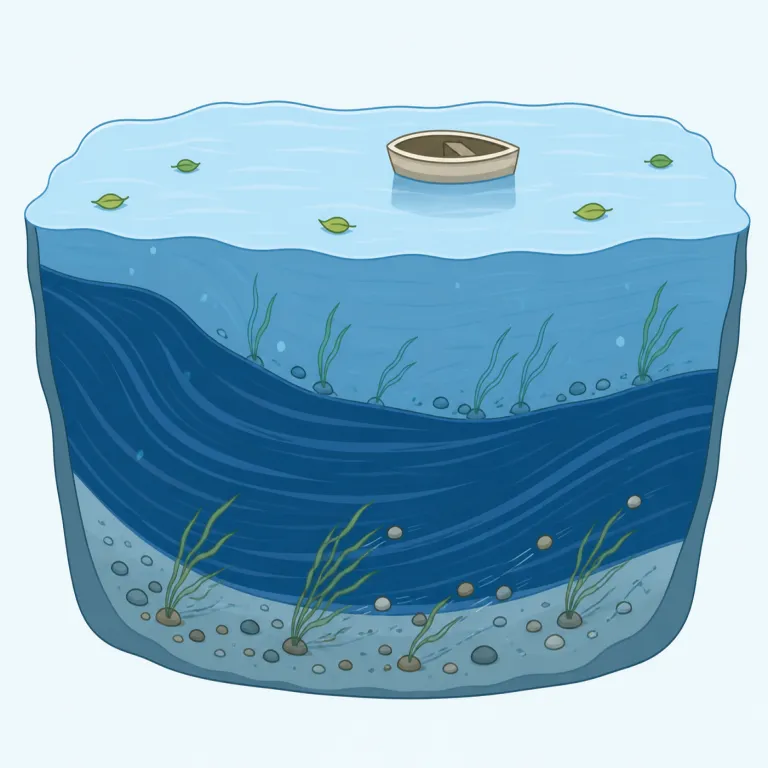
下層流、水面下の流れ
noun 名詞海や川で、表面の流れとは別に水面下を流れる実際の水流を指します。泳ぐ人や船を予想外の方向へ運ぶ流れについても使われ、比喩的な「隠れた感情や傾向」とは区別されます。
表面には見えない潜在的な感情や傾向のことです。明確には表現されていないけれども、心の奥底に存在する隠れた気持ちや流れを指します。
An undercurrent is a hidden feeling, influence, or trend that exists beneath what is openly shown. It is often used to describe quiet tension, emotion, or opinion in a group or situation. It can also mean a current of water below the surface.
current を「流れ・電流」と知っていれば、undercurrent は under が付いて「表面の下を流れるもの」。川や海は上から穏やかに見えても、水面下では別の流れがある場面を思い浮かべると定着しやすい。人間関係や社会の文脈では an undercurrent of tension/anger/distrust の形が多く、「はっきり言われていないのに確かに漂っている緊張・怒り・不信」を表す。見える current ではなく、隠れた流れだと対比で覚える。
Start from `current`, a flow in water or electricity. Add `under-`, and you get a flow beneath the surface, something hidden but still moving. That is why English often uses `an undercurrent of tension` or `anger` for feelings that are not openly stated but are clearly there.
There was an undercurrent of tension.
潜在的な緊張感があった。
She felt an undercurrent of sadness.
彼女は奥底の悲しみを感じた。
The undercurrent of doubt was noticeable.
疑いの底流が感じられた。
文脈によって、次の意味でも使われます。
海や川で、表面の流れとは別に水面下を流れる実際の水流を指します。泳ぐ人や船を予想外の方向へ運ぶ流れについても使われ、比喩的な「隠れた感情や傾向」とは区別されます。
underは古英語、currentはラテン語currere「走る」が古フランス語を経た語で、under+currentは「下を走る流れ」。表面下で水が動く像から、目に見えにくい感情や社会の動きという「底流」も表すようになった。同根語にcurrent、recurrent。
Undercurrent is made from under and current. Current comes through Old French from Latin currere, meaning "to run," so the literal picture is a flow running underneath. From the idea of water moving below the surface, the word later came to mean hidden feelings or unseen social forces. Related words include current and recurrent.
この英単語をクイズで覚えよう